Ayurvedic practitioner performing warm oil massage on a treatment table in a Kerala clinic surrounded by tropical palms
๐Ÿ’ผ Skillcation

Ayurveda & traditional medicine retreat

Ayurveda is 5,000 years old and genuinely complex โ€” a complete medical system with its own anatomy, pathology, pharmacology, and philosophy. What is offered at most 'Ayurvedic spa' hotels is to genuine Ayurveda what a vitamin tablet is to clinical medicine. This guide is about finding and accessing the real thing.

How it worksCompare providers
5,000 yearsAyurveda's documented history
7 โ€“ 21 daysminimum effective panchakarma duration
Jun โ€“ AugKerala monsoon โ€” peak Ayurveda season
Keralathe world capital of clinical Ayurveda
The opportunity

The difference between Ayurvedic spa and clinical Ayurveda

The word 'Ayurvedic' appears on everything from hotel spa menus to supermarket cosmetics. In most cases, it means nothing more specific than 'inspired by an ancient Indian wellness tradition.' Genuine Ayurveda โ€” the kind practised at the best centres in Kerala, at serious hospitals in Pune and Coimbatore, and at a handful of excellent international centres in Bali and Sri Lanka โ€” is something completely different. It is a complete medical system with its own diagnostic methodology (pulse diagnosis, physical assessment, detailed patient history), its own pharmacology (herbal formulations, medicated oils, dietary protocols), and its own understanding of disease causation and treatment.

The central treatment methodology of clinical Ayurveda is panchakarma โ€” a sequential purification programme that removes accumulated metabolic waste (ama) from the body's tissues through a combination of preparatory treatments (snehana: internal and external oil application; svedana: herbal steam), primary elimination procedures (the five karmas: vamana, virechana, basti, nasya, raktamokshana), and a carefully managed post-treatment diet. A genuine panchakarma requires a minimum of seven days and is preceded by a doctor consultation and pulse diagnosis. The treatments are pleasant but also demanding โ€” the protocols involve significant dietary restriction, regular daily treatments, and a level of rest and inward focus that is incompatible with sightseeing.

What you will experience after a genuine Ayurvedic programme depends on your starting condition and the rigour of the programme. Most participants report significantly improved sleep within the first three to four days, reduced digestive discomfort from around day five, and a clarity and lightness of energy that many describe as the most well-rested they have felt in years. The experience is cumulative and subtle โ€” it does not produce the dramatic cathartic release that some marketing suggests. What it does produce, in a well-designed programme at a genuinely clinical centre, is the experience of what your body feels like functioning without accumulated stress, poor diet, and overwork. Many people find this reference point permanently changes their relationship to their own health.

Crew roles

Which type of Ayurveda seeker are you?

People come to Ayurveda retreats abroad for genuinely different reasons. The right programme depends on your starting health, your motivation, and what you want to take home with you.

๐Ÿง˜

Wellness Tourist

Entry level

You want a genuinely restorative experience โ€” better sleep, reduced stress, a sense of being properly cared for โ€” that goes beyond what a regular spa provides. You are curious about Ayurveda but not seeking clinical treatment for a specific condition. A 3โ€“5 day programme with daily Abhyanga, Shirodhara, and yoga, combined with simple Ayurvedic food and a daily doctor consultation, provides a level of physical restoration that most people describe as unlike anything they have experienced in conventional wellness settings. The educational component โ€” understanding your dosha constitution and what supports it โ€” is a pleasant bonus.

No prior knowledge requiredBasic yoga or mindfulness helpful

3โ€“5 days / ยฃ200โ€“ยฃ800

๐ŸŒฟ

Panchakarma Patient

Mid level

You are seeking panchakarma for a specific health goal โ€” chronic fatigue, persistent digestive problems, insomnia, skin conditions, joint pain, or post-COVID recovery. You need a facility with qualified resident physicians, individually prescribed protocols, and a serious medical infrastructure. The 7-day minimum is necessary for any meaningful systemic effect; the traditional recommendation for first-time panchakarma is 14 days. This is not a relaxation holiday โ€” it is a medical programme that happens in a beautiful environment. The distinction matters for managing your expectations and your schedule.

Pre-arrival medical history submissionDietary protocol commitment

7โ€“21 days / ยฃ600โ€“ยฃ5,000

๐Ÿ“š

Student of Ayurveda

Mid level

You want to understand Ayurveda as a system โ€” dosha theory, dinacharya (daily routine), ahara (diet and food qualities), basic herbal medicine โ€” at a level where you can apply it in your own life and potentially introduce it to others. Educational retreat programmes in Kerala and Rishikesh run structured foundation courses combining theory with practical experience of treatments. For yoga teachers, Ayurveda is a natural complement that significantly deepens the ability to support students' wellbeing beyond the physical practice. Several international Ayurveda schools offer accredited practitioner training for those wanting to work professionally.

Certificate programmes from recognised institutionsPanchakarma training for practitioners

14โ€“30 days / ยฃ1,000โ€“ยฃ5,000

๐Ÿ”„

Yoga + Ayurveda Integration

Entry-mid level

You have a yoga practice and you want to extend it into the full Ayurvedic system that yoga was originally embedded in. Yoga and Ayurveda in the classical Indian context are sister sciences โ€” both branches of the same Vedic tradition. Understanding your constitution (prakriti) and imbalance (vikriti) through Ayurveda gives your yoga practice a precision that generalised yoga classes cannot provide. Bali and Kerala both offer combined programmes that integrate morning yoga with afternoon Ayurvedic treatments and evening study of Ayurvedic principles. This combination is particularly effective for yoga teachers who want to deepen their professional offering.

200-hour yoga teacher training preferredPranayama practice beneficial

7โ€“21 days / ยฃ800โ€“ยฃ3,500

Step by step

How to choose and book the right Ayurveda programme abroad

  1. 1

    Distinguish between spa Ayurveda and clinical Ayurveda before you search

    Ask one question about any facility you are considering: is there a resident Ayurvedic doctor (BAMS โ€” Bachelor of Ayurvedic Medicine and Surgery) who conducts an individual consultation and pulse diagnosis before your first treatment? If the answer is no โ€” if treatments are recommended based on a generic questionnaire or are the same regardless of individual assessment โ€” you are looking at a spa experience, not a clinical programme. This is not inherently bad, but it is a different category of experience with different outcomes.

  2. 2

    Determine your programme goal โ€” wellness, therapeutic, or educational

    Ayurveda retreats serve three different purposes. Wellness programmes (3โ€“7 days) offer relaxation, stress reduction, and an introduction to Ayurvedic daily routine practices โ€” appropriate for anyone who wants a genuinely restoring holiday with an educational dimension. Therapeutic panchakarma (7โ€“21 days) addresses specific health conditions โ€” chronic fatigue, digestive disorders, insomnia, musculoskeletal issues, skin conditions โ€” through individually prescribed treatments and diet. Educational programmes teach you Ayurvedic principles โ€” dosha theory, dinacharya (daily routine), ahara (diet) โ€” as a system you can apply at home. Each requires a different type of facility.

  3. 3

    Understand what dietary restrictions are involved โ€” and commit to them in advance

    Panchakarma requires a kitchari-based diet (simple rice and lentil preparation, easily digestible) for the duration of the programme. Alcohol, coffee, and most animal proteins are typically eliminated. These are not guidelines โ€” they are medical requirements. The treatments work with the digestive system in a specific way, and the wrong foods disrupt the protocol. Before booking, confirm exactly what the dietary programme involves and honestly assess whether you can commit to it for the full duration. People who cannot maintain the diet โ€” who sneak espressos and street food โ€” waste both their money and the treatments.

  4. 4

    Time your visit for Kerala's monsoon season if therapeutic Ayurveda is the goal

    This is counterintuitive but important: traditional Ayurvedic texts specify that the Karkidaka month (corresponding to Julyโ€“August in the Gregorian calendar) is the optimal time for panchakarma in Kerala. The reasoning is physiological: the humid air opens the skin's pores, the body is not stressed by extreme heat or cold, and the rains mean fewer outdoor distractions that pull focus from the inward nature of the programme. The best Kerala Ayurveda centres are at their most serious during the monsoon. This is not a beach holiday period โ€” it is a healing period.

  5. 5

    Send a detailed medical history before you arrive โ€” do not withhold information

    Ayurvedic treatments involve medicated oils, herbal preparations, and physiological procedures that interact with existing health conditions and medications. A responsible clinical Ayurveda centre requires a detailed medical history before accepting a booking, and the Ayurvedic doctor will ask about all medications and health conditions on day one. Withholding this information โ€” from embarrassment or a belief that alternative medicine is unaffected by pharmaceutical interactions โ€” is clinically irresponsible. The doctor needs this information to design your programme safely.

Watch & learn

Watch before you book

What a real Ayurveda panchakarma is like โ€” day by day

What a real Ayurveda panchakarma is like โ€” day by day

Banyan Botanicals

An honest, medically grounded walkthrough of what a genuine 14-day panchakarma programme involves โ€” the treatments, the diet, the emotional process.

Kerala Ayurveda โ€” how to tell the real from the tourist version

Kerala Ayurveda โ€” how to tell the real from the tourist version

Authentic India

How to identify genuinely clinical Ayurveda centres in Kerala versus tourist-facing spa operations โ€” what to ask and what to look for.

Understanding your dosha โ€” a practical guide

Understanding your dosha โ€” a practical guide

Dr Vasant Lad Ayurvedic Institute

The founding physician of the Ayurvedic Institute explains dosha theory practically and how your constitution shapes your health and wellbeing.

Compare your options

Providers โ€” certifications, courses & job boards

Ayurveda providers vary enormously โ€” from internationally accredited hospitals in Kerala to informal retreat centres in Bali that use Ayurvedic language for general massage services. The most reliable quality signals are: a full-time resident BAMS doctor, the Kerala Tourism Ayurveda Green Leaf or Olive Leaf certification (for Kerala centres), international awards with specific clinical criteria, and detailed alumni reviews that mention individual doctor consultations and treatment protocols.

Clinically established Ayurveda centres

These centres are known for genuine clinical Ayurveda practice with qualified resident physicians, individual treatment protocols, and verifiable track records with international patients. The starting point for anyone seeking a therapeutic programme.

Kerala Tourism โ€” Official Ayurveda Certification

The Kerala Tourism Department operates an official certification scheme for Ayurveda centres โ€” Green Leaf (highest standard) and Olive Leaf โ€” that evaluates facilities on doctor qualifications, treatment protocol quality, hygiene, and authenticity of practice. This certification is the most reliable quality signal available for Kerala Ayurveda centres. The Kerala Tourism website's Ayurveda section lists all certified centres with their classification, contact details, and specialisations. This is the correct starting point for anyone planning a serious Ayurveda visit to Kerala โ€” not aggregator hotel booking platforms.

Use this when: You want to find a clinically genuine Ayurveda centre in Kerala โ€” use the official Kerala Tourism certification list to identify Green Leaf and Olive Leaf accredited facilities.

Official Kerala certificationGreen Leaf ยท Olive Leaf standardsQualified physiciansAuthenticity verifiedFree to use
Visit โ†—

Somatheeram Ayurveda Village

One of Kerala's most internationally recognised Ayurveda resorts, Somatheeram was the first Ayurvedic resort in the world to win international tourism awards and holds multiple Kerala Tourism Green Leaf certifications. Set on a hillside above a beach in Thiruvananthapuram district, the resort hosts both short wellness programmes and full 14โ€“21 day panchakarma programmes supervised by resident BAMS and MD (Ayurveda) physicians. Treatment protocols are individually prescribed following a detailed consultation. International patients from 80+ countries have received treatment here. Best for people who want clinical-grade Ayurveda in a beautiful, professional setting.

Use this when: You want a clinically serious Kerala Ayurveda programme at an internationally recognised facility with a long track record for international patients.

Kerala Green Leaf certifiedInternational awardsPanchakarma programmesBeach setting80+ countries served
Visit โ†—

Oneworld Ayurveda (Bali)

A Bali-based Ayurveda retreat offering residential panchakarma programmes supervised by Ayurvedic doctors from India, set in a jungle environment near Ubud. Oneworld focuses specifically on therapeutic panchakarma for international patients โ€” the programmes are more medically serious than most Bali wellness retreats, with daily doctor consultations, individually prescribed herbal medicines, and strict dietary protocols. Best for people who want clinical-grade Ayurveda outside India โ€” in a setting that combines the healing environment of Bali with Indian-standard medical supervision.

Use this when: You want genuinely clinical Ayurveda outside India, in the healing environment of Bali, with qualified Indian Ayurvedic physicians overseeing your programme.

BaliIndian Ayurvedic doctorsTherapeutic panchakarmaUbud jungle settingInternational patients
Visit โ†—

Santani Wellness Resort (Sri Lanka)

A luxury wellness resort in Sri Lanka's hill country, near Kandy, integrating Ayurveda with yoga and mindfulness in a contemporary architectural setting surrounded by tea plantations and rainforest. Santani's Ayurveda programmes are supervised by qualified physicians and sit at the intersection of authentic tradition and high-end international wellness design. Best for people who want the therapeutic benefits of clinical Ayurveda in a design-led, internationally accessible luxury environment โ€” as a complement to Sri Lanka exploration rather than a purely clinical immersion.

Use this when: You want authentic Ayurveda in a beautiful, design-led luxury environment in Sri Lanka โ€” combining therapeutic programming with the cultural richness of the Kandy region.

Sri Lanka hill countryLuxury + clinicalYoga integrationTea plantation settingKandy region
Visit โ†—

Find and compare retreats globally

These aggregator platforms list Ayurveda and traditional medicine retreats globally with independent guest reviews. Use them to build your comparison list, but always verify doctor credentials and programme specificity directly with the centre before booking.

BookRetreats โ€” Ayurveda Retreats

BookRetreats hosts one of the largest searchable databases of Ayurveda retreats globally, with filtering by country, duration, programme type (wellness vs panchakarma vs detox), and price. Guest reviews on the platform are detailed and often mention specific treatment quality, doctor interactions, and dietary programme experience โ€” the most relevant information for making a clinical programme decision. Filter specifically for 'panchakarma' or 'therapeutic' to separate clinical from spa-style programmes. Available in India, Bali, Sri Lanka, and increasingly in European retreat formats.

Use this when: You want to compare Ayurveda retreat options across multiple countries and price points, with detailed guest reviews to validate clinical quality claims.

Global databaseIndia ยท Bali ยท Sri Lanka ยท EuropePanchakarma filterDetailed reviewsPrice comparison
Visit โ†—

Ayurveda is a traditional medicine system and is not a substitute for evidence-based medical treatment for serious illness. Editorial information on this page is educational guidance, not medical advice. Always disclose all medications and health conditions to your Ayurvedic physician and consult your own GP before undergoing panchakarma or other therapeutic Ayurvedic procedures. Programme availability, pricing, and physician credentials should be verified directly with the centre before booking.

Pay guide

Which Ayurveda programme matches your situation?

Ayurveda programmes range from a gentle introduction to a serious medical detoxification. The right duration and intensity depends on your health goals, your available time, and your willingness to follow strict protocols.

Best first experience
๐ŸŒฟ

3-day introduction

ยฃ200 โ€“ ยฃ600

all-inclusive (accommodation + treatments + meals)

  • โœ“Initial doctor consultation and pulse diagnosis
  • โœ“Daily Abhyanga (oil massage) and Shirodhara (oil forehead treatment)
  • โœ“Introduction to Ayurvedic diet and daily routine
  • โœ“Not enough for deep therapeutic benefit โ€” but genuinely restorative
Most popular programme
๐ŸŒฑ

7-day detox (Shodhana Chikitsa)

ยฃ600 โ€“ ยฃ2,000

all-inclusive (accommodation + treatments + meals + medicines)

  • โœ“Full panchakarma preparatory treatments
  • โœ“One or two primary elimination procedures
  • โœ“Medicated oil and herbal steam treatments daily
  • โœ“Strict kitchari diet with gradual reintroduction
Full therapeutic programme
๐Ÿ”„

14-day panchakarma

ยฃ1,400 โ€“ ยฃ4,500

all-inclusive (the therapeutic minimum for systemic benefit)

  • โœ“Complete panchakarma protocol with full preparation phase
  • โœ“All five karmas as individually prescribed
  • โœ“Daily medical supervision and protocol adjustment
  • โœ“Comprehensive post-treatment guidance and home practice
For serious transformation
๐ŸŽ“

21-day deep detox or practitioner training

ยฃ2,500 โ€“ ยฃ8,000

all-inclusive (extended residential programme)

  • โœ“Extended panchakarma with rasa (rejuvenation) phase
  • โœ“OR structured practitioner foundation training
  • โœ“Comprehensive Ayurvedic cooking and lifestyle education
  • โœ“Take-home protocols individualised for your constitution
Where to go

Best destinations for Ayurveda and traditional medicine

The best destination depends on the tradition you want to access, the level of clinical rigour you need, and the lifestyle context you want around the treatment. Each region below has a distinct character.

Kerala backwaters with a traditional houseboat and coconut palms reflected in still water at duskTherapeutic best: Junโ€“Aug (monsoon/Karkidaka). Year-round wellness possible.

Kerala, India

Kerala is, without question, the world capital of Ayurveda. The state has more qualified Ayurvedic physicians than any other region in the world, a government certification system for Ayurveda centres (Green Leaf and Olive Leaf), and a living tradition of classical Ayurvedic practice that stretches back without interruption for over 2,000 years. The Thiruvananthapuram district (southern Kerala) and the Kottayam/Thrissur region (central Kerala) have the highest concentration of genuinely clinical centres. The Kerala monsoon โ€” June through August โ€” is the traditional therapeutic season: the humidity, the cooling rains, and the reduction in outdoor activity create ideal conditions for panchakarma. Avoid the tourist-facing 'Ayurvedic spa hotels' in tourist-heavy Kovalam beach โ€” they are not clinical facilities.

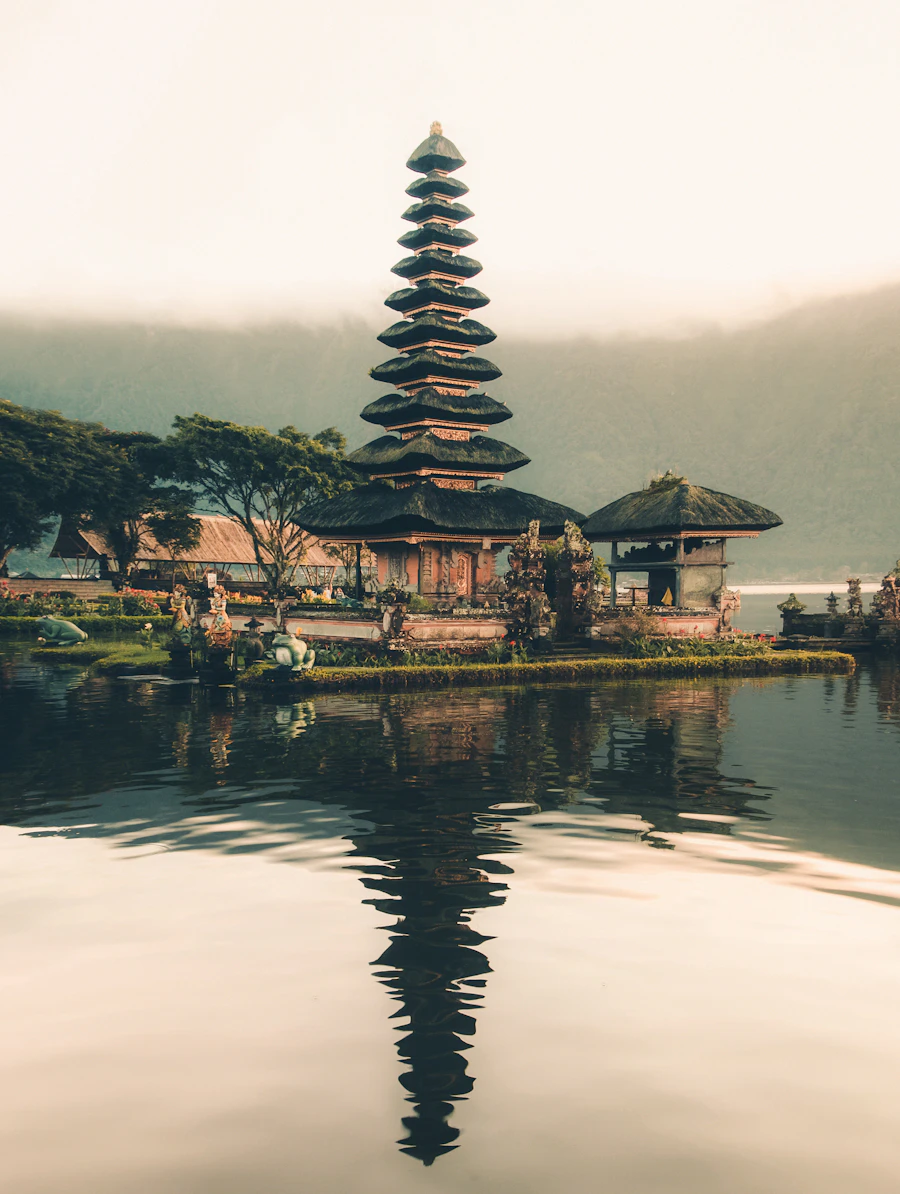
Ubud Bali rice terraces in the morning mist with a traditional Balinese temple tower in the foregroundBest: Aprโ€“Sep (dry season). Ubud is at altitude โ€” cooler and less humid than the coast.

Bali, Indonesia

Bali has a genuine healing culture of its own โ€” the Balinese traditional healing tradition (Usadha) is distinct from Ayurveda but shares philosophical roots in Hindu cosmology. The international wellness industry has grafted Ayurveda onto Bali's existing infrastructure with varying degrees of authenticity. The best Bali Ayurveda centres (Oneworld Ayurveda near Ubud, several other facilities in the central highlands) bring qualified Indian Ayurvedic physicians to Bali and run genuinely therapeutic programmes in an extraordinarily beautiful environment. Bali offers the dual advantage of Ayurvedic treatment quality approaching Kerala standards combined with cultural richness โ€” temple ceremonies, rice terrace walks, traditional performance arts โ€” that Kerala's clinical centres do not have.

Ancient rock fortress of Sigiriya rising from the Sri Lankan jungle with terraced gardens belowWest coast: Novโ€“Apr (dry). East coast: Aprโ€“Sep. Hill country: Marโ€“May and Augโ€“Sep best.

Sri Lanka

Sri Lanka has its own classical medicine tradition โ€” Sinhala traditional medicine, related to but distinct from the South Indian Ayurvedic tradition. The island has developed a significant international Ayurveda tourism sector, particularly in the hill country around Kandy and on the south coast. Santani and a handful of other internationally oriented wellness resorts provide Ayurveda programmes with genuine clinical oversight. Sri Lanka's advantage over Kerala for international visitors is the combined offer: world-class Ayurveda with extraordinary cultural tourism nearby (ancient cities, wildlife safaris, mountain train journeys, beach coast) โ€” a 14-day programme can anchor a 21-day Sri Lanka trip without compromise on either the healing or the exploration.

Rishikesh Ganges river with the iconic Laxman Jhula suspension bridge and ashrams on the forested hillsideBest: Marโ€“May and Sepโ€“Nov. Avoid Juneโ€“September monsoon and Janโ€“Feb cold.

Rishikesh, India

Rishikesh is the world capital of yoga, and increasingly a significant centre for Ayurveda โ€” particularly for combined yoga-Ayurveda programmes and for the educational aspect of Ayurveda study. The Ganges foothills setting carries a specific spiritual quality that Kerala's beach and backwater environments do not โ€” the proximity to the source of Indian philosophical traditions adds a dimension to the learning that serious students find irreplaceable. Ayurveda here is less resort-focused and more teaching-oriented. The best centres run foundation Ayurveda courses for yoga teachers and practitioners alongside clinical programmes. Not recommended for those specifically seeking panchakarma โ€” Kerala remains the standard for that.

Historic Aga Khan Palace in Pune with gardens and the Pune hills behind in the afternoon lightBest: Octโ€“Feb (comfortable temperatures). Monsoon Junโ€“Sep is acceptable for Ayurveda.

Pune, India

Pune has some of India's best Ayurvedic hospitals โ€” clinical facilities that bridge the gap between traditional Ayurveda and modern medicine, treating complex chronic conditions with Ayurvedic protocols under qualified medical supervision. Unlike Kerala resort-style Ayurveda, the Pune medical Ayurveda sector (centred around institutions associated with Pune University's Ayurveda faculty) approaches serious disease treatment in a hospital context. Best for people with specific, complex chronic health conditions who want a medically serious Ayurvedic assessment and treatment protocol rather than a wellness retreat experience. Requires more independent research than resort booking โ€” direct contact with Ayurvedic hospitals is the route.

Season planner

Seasonal hiring windows

Kerala, India

Jun โ€“ Aug (monsoon / Karkidaka โ€” therapeutic peak)
ThiruvananthapuramVarkalaKottayamThrissurKovalam (avoid for clinical)

Karkidaka Chikitsa (Julyโ€“August) is the traditional therapeutic Ayurveda month โ€” humidity opens pores, body absorbs treatments optimally. Year-round wellness programmes available. Book monsoon slots in Marchโ€“April.

Bali, Indonesia

Apr โ€“ Sep (dry season)
UbudTegalalangPayangan

Ubud's higher altitude keeps temperatures manageable year-round. Aprilโ€“September dry season is most comfortable for extended residential programmes. Nyepi (Day of Silence, March) creates a unique silence for retreat purposes.

Sri Lanka

Nov โ€“ Apr (west coast) / Apr โ€“ Sep (east coast)
Kandy (hill country)Galle (south coast)Negombo (west coast)

Hill country around Kandy is comfortable year-round. South coast (Galle area) best Novemberโ€“April. Combine with Cultural Triangle or whale watching in Marchโ€“April.

Rishikesh, India

Mar โ€“ May and Sep โ€“ Nov
RishikeshHaridwar

International Yoga Festival in March โ€” Rishikesh is at peak cultural energy. Navaratri in October draws significant spiritual activity. Avoid Decemberโ€“January cold and Juneโ€“September monsoon flooding.

Pune, India

Oct โ€“ Feb
Pune cityPanchgani (hill station nearby)

Octoberโ€“February is most comfortable for extended stays. Pune International Film Festival (January) and Ganesh Chaturthi (Augustโ€“September) are the major cultural events.

Insider knowledge

What the brochures do not prepare you for

Not the obvious stuff. The things most guides leave out.

๐Ÿ‘จโ€โš•๏ธ

Genuine Ayurveda starts with a doctor โ€” not a treatment menu

At a properly run Ayurveda centre, your first appointment is with a qualified BAMS physician who examines your tongue, takes your pulse (nadi pareeksha), asks detailed questions about your digestion, sleep, energy, skin, and emotional patterns, and then prescribes a specific programme for your specific constitution and imbalance. You do not choose your treatments from a spa menu. The doctor decides. If you are handed a menu on arrival and asked to select, you are at a spa, not a clinic. This distinction matters enormously for outcome.

๐Ÿฅฃ

The diet is the hardest part

Panchakarma food is medicinal, not gourmet. For 7โ€“14 days you eat primarily kitchari โ€” a simple preparation of rice and mung dal cooked with digestive spices โ€” with very limited variety. Coffee, alcohol, refined sugar, and most animal proteins are typically eliminated from day one. For many people, the dietary restriction is more challenging than any of the treatments. The food is genuinely nourishing and many people find their cravings shift significantly by day five or six. But arriving with an honest reckoning of how you currently relate to food and stimulants is important for setting realistic expectations.

๐Ÿ˜ด

Rest is part of the prescription โ€” not a side effect

Panchakarma protocols direct the body's energy toward internal purification processes. This means that the treatments will make you feel tired, sometimes profoundly so, and that this tiredness is appropriate โ€” it is the body working, not being depleted. The programme is designed around this: treatments happen in the morning, rest in the afternoon, early dinner, early sleep. Trying to sightsee, take day trips, or maintain your normal digital life during a serious panchakarma undermines the programme. Most serious centres have a no-screens recommendation, particularly in the evenings. This is not arbitrary.

๐ŸŒง๏ธ

The Kerala monsoon is not a downside โ€” it is the point

First-time visitors to Kerala often try to avoid the Juneโ€“August monsoon period, associating it with poor weather. Traditional Ayurvedic texts explicitly specify monsoon as the optimal period for panchakarma โ€” the humidity opens skin pores, the cooler temperatures reduce metabolic stress, and the rains create a contemplative, inward atmosphere that is ideal for the psychological dimension of a detoxification programme. The best Ayurveda centres in Kerala book out their monsoon slots months in advance. What looks like 'off-season' on a general travel website is peak season for serious Ayurveda.

๐Ÿ’Š

Disclose all medications โ€” without exception

Ayurvedic herbal preparations, medicated oils, and dietary protocols interact with pharmaceutical medications. Blood thinners, immunosuppressants, thyroid medications, antidepressants, and diabetes medications all require specific consideration. A responsible Ayurvedic physician will ask about all medications in the initial consultation and adjust the programme accordingly โ€” or in some cases advise postponing the programme until medications are reviewed with your GP. Withholding medication information from an Ayurveda doctor in the mistaken belief that 'natural' treatments do not interact with drugs is potentially dangerous and clinically irresponsible.

FAQ

Common questions about Ayurveda and traditional medicine retreats

Honest answers for people considering their first or next Ayurveda experience.

Is Ayurveda scientifically proven to work?
The evidence base for Ayurveda is heterogeneous โ€” some elements are well-supported by clinical research, others are inadequately studied by modern scientific standards. Panchakarma has been studied for specific conditions including rheumatoid arthritis, cardiovascular risk factors, and type 2 diabetes with promising results in published research. The herbal pharmacopoeia of Ayurveda includes compounds now in mainstream use (ashwagandha, turmeric/curcumin, triphala). The most honest position is: Ayurveda is a 5,000-year-old empirical medical system that predates randomised controlled trials as a methodology. Its safety profile when practised by qualified physicians is good; its efficacy for specific conditions is an area of active research. It should not replace evidence-based medical treatment for serious illness.
What is a dosha and do I need to know mine before arriving?
Dosha is the Ayurvedic framework for describing individual constitutional types โ€” Vata (movement, air and space qualities), Pitta (transformation, fire and water qualities), and Kapha (structure, earth and water qualities). Most people are a combination of two doshas. The purpose of dosha identification is to understand what lifestyle, diet, and treatment approaches support your particular constitution. You do not need to know yours before arriving โ€” the physician's initial assessment will determine it. That said, taking a reliable dosha quiz (available on Banyan Botanicals or The Ayurvedic Institute websites) before you go helps you arrive with useful self-knowledge and good questions for your doctor.
What is panchakarma and is it safe?
Panchakarma is the core detoxification methodology of classical Ayurveda โ€” a sequential programme of preparatory treatments (oleation and sweating) followed by primary elimination procedures designed to remove accumulated metabolic waste from the body's tissues. When conducted by a qualified BAMS physician with appropriate medical assessment, properly prescribed for the individual patient, panchakarma is generally safe for healthy adults. It is contraindicated in pregnancy, active infection, certain cardiac conditions, and other specific circumstances โ€” the physician's assessment determines suitability. It is not a gentle spa treatment: the procedures can produce discomfort, fatigue, and temporary exacerbation of symptoms as part of the purification process.
What is the difference between Ayurveda and traditional Chinese medicine?
Both are complete traditional medical systems developed independently over thousands of years, with their own diagnostic frameworks, treatment methodologies, and pharmacopoeia. Ayurveda (Indian origin) centres on the dosha framework, panchakarma, and a vast herbal pharmacology. Traditional Chinese Medicine (TCM) centres on qi (life force) and its flow through meridians, acupuncture, and a different herbal tradition. They share philosophical similarities (the importance of balance, the interaction between individual constitution and environment) but their specific theories, diagnostic tools, and treatments are distinct. Both have practitioners in Kerala, Bali, and Sri Lanka โ€” a wellness-focused retreat could engage with both, though serious clinical engagement with either requires a dedicated programme.
Can I combine an Ayurveda retreat with tourism in the same trip?
Yes โ€” but the structure matters. A serious panchakarma (7โ€“21 days) requires rest during the programme period โ€” sightseeing and physical exertion during treatment disrupt the protocol. The most effective structure is: arrive, acclimatise, do the Ayurveda programme fully, then add tourism days after the programme completes. A 14-day panchakarma followed by 7 days of Kerala, Sri Lanka, or Bali exploration is a well-tested pattern. Trying to combine treatment days with tourist activities reduces both the programme effectiveness and the enjoyment of the places you visit.
What should I do after the programme ends to maintain the benefits?
Every responsible Ayurveda physician provides detailed post-programme guidance โ€” typically a diet protocol for 7โ€“14 days after returning home (gradual reintroduction of foods), a daily routine (dinacharya) recommendation, specific herbal supplements if needed, and a yoga or pranayama practice. Following these guidelines determines how long the benefits of the programme last. Many people find the first two weeks at home after a panchakarma are the most important โ€” how you reintroduce food, how much rest you protect, and whether you maintain the morning routine the programme established.
Is Kerala the only destination for genuinely clinical Ayurveda?
Kerala has the highest concentration of qualified Ayurvedic physicians and the most rigorous government certification scheme for Ayurveda centres, which makes it the default recommendation for clinical panchakarma. However, genuinely clinical Ayurveda is also available at specific centres in Bali (Oneworld Ayurveda), Sri Lanka (several centres in the hill country), Pune and Coimbatore in India (hospital-grade facilities), and at a small number of internationally run Ayurveda centres in Europe and North America staffed by BAMS-qualified Indian physicians. The key verification remains the same regardless of location: is there a resident BAMS physician conducting individual consultations?
Is Ayurveda appropriate for people with chronic health conditions?
Ayurveda is used in its home countries for the management of chronic conditions including diabetes, cardiovascular disease, autoimmune conditions, chronic pain, digestive disorders, and neurological conditions. Whether it is appropriate for your specific condition depends on the condition, your current treatment, and the qualification of the physician. The correct process: discuss your intention with your GP before travelling, obtain a letter summarising your conditions and medications, share this with the Ayurveda centre before booking, and confirm with both your GP and the Ayurvedic physician that the proposed programme is compatible with your medical situation.

Ready to get started?

Plan your Ayurveda retreat abroad

Use Kerala Tourism's official certification list to find accredited centres, or compare programmes globally on BookRetreats.

Kerala certified Ayurveda centresCompare on BookRetreatsAll Top 50 opportunities
RelatedYoga & meditation retreatsBurnout recovery retreatsCold water therapy retreats

๐Ÿ‘‹ Hey there!

Ask us anything โ€” we usually reply in minutes.

Start a chat