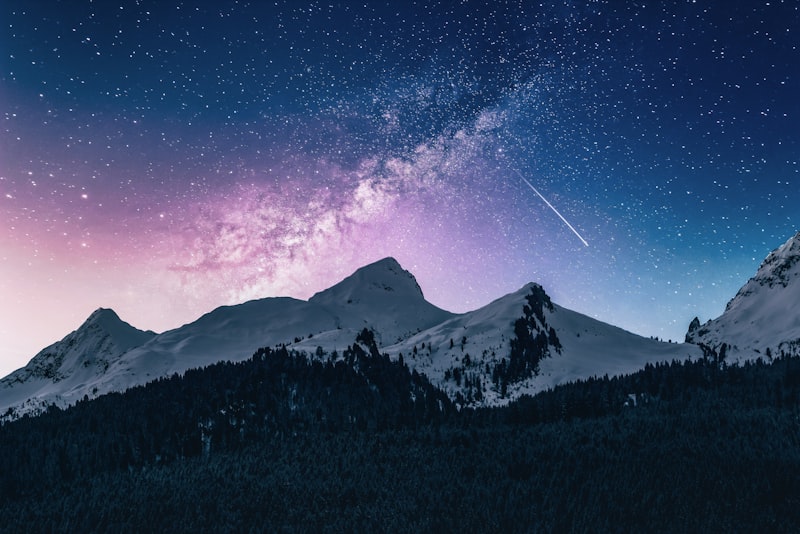
Person in ice-cold glacier water in Norway with snow-covered mountains in the background
💼 Retreats

Cold water & ice therapy retreats abroad

Cold water immersion has moved from fringe biohacking to mainstream wellness faster than almost any other practice in the past five years. The science on deliberate cold exposure — improved mood, reduced inflammation, heightened focus, accelerated recovery — is genuinely robust. A structured retreat abroad compresses what would take months of solo practice to achieve at home into an immersive, guided experience in some of the world's most dramatic cold-water environments. Here is everything you need to know.

How it worksCompare providers
580+Wim Hof retreats listed on BookRetreats
2–7typical retreat duration in days
WHM Certifiedgold standard for instructors
15°C and beloweffective cold exposure temperature
The opportunity

Why cold water retreats deliver what cold showers at home cannot

Cold showers are free. So why do thousands of people pay to attend cold water retreats abroad every year? The answer is primarily environmental and social. Training deliberate cold exposure in an alpine waterfall, an Arctic fjord, or a glacial lake produces a physiological and psychological intensity that a domestic shower cannot approximate — the temperature is lower, the immersion is full, and the natural setting triggers a different quality of nervous system response. A qualified guide manages the process safely, removes the psychological barrier of self-direction, and allows participants to go further into controlled discomfort than they typically would alone.

The Wim Hof Method (WHM) has been the dominant framework for structuring cold exposure retreats since Hof began certifying instructors in the early 2010s. The method combines specific breathwork (Wim Hof breathing, derived from Tummo meditation) with cold exposure and mental commitment protocols. The WHM certification network now runs retreats on every continent. Other frameworks — Oxygen Advantage, Breatheology, general ice bath protocols — have also developed instructor communities and retreat programmes, but WHM remains the most internationally recognised and the easiest to find certified instructors for in any given country.

The physiological benefits of deliberate cold exposure that have the strongest scientific support include: norepinephrine release (mood elevation, anti-inflammatory), dopamine release and sustained elevation (focus, motivation), increased metabolic rate, and improved cold acclimatisation. The benefits appear most pronounced with consistent practice rather than single events. A retreat is therefore most valuable as an intensive introduction to a practice you intend to continue — not as a one-off wellness experience that ends when you return home.

Crew roles

What roles are available

🧊

Weekend WHM Intensive

Entry level

The most common retreat format — a Friday evening to Sunday afternoon intensive covering WHM breathing theory and practice, two to three cold immersion sessions (typically ice bath and outdoor natural water), and integration work. Suitable for complete beginners. Most participants report significant mood elevation, sleep improvement, and motivation within 48 hours.

No prior experience neededWHM breathing taught from scratch2 cold immersion sessions

€200–€500 / weekend all-in

❄️

5–7 Day Deep Immersion

Entry-mid level

A full-week format that allows the body to genuinely acclimatise and the breathwork practice to deepen. Daily cold exposure sessions, multiple breathwork rounds, and integration practices (meditation, journaling, physical movement). The extra days allow participants to move past the initial shock response and experience what practitioners call 'the other side' — a state of composed, controlled relationship with the cold.

Weekend WHM experience helpfulDaily cold exposureBreathwork deepening

€800–€1,800 / week all-in

🌡️

Contrast Therapy Retreat

Entry level

Alternating between heat (sauna, hot spring) and cold (plunge, lake, ocean) in structured cycles. The contrast drives powerful cardiovascular and mood effects and is less psychologically challenging than pure cold exposure. Popular in Iceland and the Nordic countries where the infrastructure naturally supports it. Often combined with other wellness modalities.

Sauna and cold alternationAccessible to all levelsRecovery and performance focus

€400–€1,200 / programme

🫁

Breathwork Certification Track

Mid-senior level

For those who want to teach WHM or breathwork professionally. The WHM certification path involves completing a foundational course, an instructor training programme, and a supervised period. Most instructor certification programmes run across multiple weekends over several months. The cold exposure element is integral but the primary focus shifts to teaching methodology and safety management.

WHM Instructor Certification pathMulti-week programmeTeaching skills included

€2,000–€5,000 / programme

Step by step

How to choose and prepare for a cold water retreat

  1. 1

    Understand the safety requirements

    Cold water immersion is contraindicated for people with cardiovascular conditions, Raynaud's disease, cold urticaria, certain autoimmune conditions, and those in pregnancy. Most retreat operators require a health questionnaire before participation. This is not bureaucratic caution — cold shock response (involuntary gasping, hyperventilation, cardiac stress) is a genuine physiological risk in cold water that a qualified instructor manages. If you have any of the above conditions, consult a physician before attending.

  2. 2

    Choose a WHM-certified instructor

    The Wim Hof Method website (wimhofmethod.com/retreat) lists all certified instructor-led retreats globally. WHM-certified instructors have completed a rigorous certification programme, carry appropriate insurance, and are trained in the safety protocols for supervised cold exposure. Non-certified 'cold immersion' retreats exist — they may be excellent, but the certification provides a specific quality assurance for the WHM methodology.

  3. 3

    Decide on destination and environment

    The coldest and most dramatic environments are Norway, Iceland, and Poland's Tatra mountains — sub-zero air temperatures, outdoor ice baths, and glacial water. The Netherlands (close to WHM's origin) offers a more accessible, controlled retreat environment. Ireland has Atlantic coastal cold plunges with WHM-certified instructors. Thailand (Koh Samui, Chiang Mai) offers warm-weather breathwork retreats with ice bath elements — different character, popular with those who want the practice without the Nordic setting.

  4. 4

    Prepare with basic breathwork before you arrive

    Doing the Wim Hof breathing exercise — available free on YouTube and the WHM app — for two weeks before your retreat will significantly improve your first-day experience. The hyperventilation-hold protocol (30 deep breaths, exhale hold, recovery breath) is the foundation of the method. Arriving with familiarity rather than learning it cold (pun intended) on day one allows you to focus on the cold exposure component from the start.

  5. 5

    Set realistic expectations for the experience

    The first cold immersion of a retreat is almost universally described as one of the most confronting things people have done. The shock response — involuntary gasping, racing heart, flooding anxiety — is physiologically normal and passes within 90 seconds if you maintain controlled breathing. After the first immersion, most participants describe a powerful euphoria. After the third or fourth, the process feels different again — slower, more controlled, almost meditative. The transformation across a weekend retreat is what most attendees find most surprising.

Compare your options

Providers — certifications, courses & job boards

Cold water retreat providers range from the official Wim Hof Method network and certified independent instructors to curated platforms that aggregate retreats across multiple formats and destinations.

Official WHM and certified instructor retreats

The most reliable route to a safe and effective cold exposure retreat is through WHM-certified instructors. The providers below are either official or among the most respected in the certified network.

Wim Hof Method — Official Retreat Finder

The original source — the official WHM website lists certified instructor-led retreats and workshops worldwide. The WHM instructor network runs events in Iceland, Poland, the Netherlands, Portugal, Canada, and more. Retreats range from 2-day intensives to week-long immersions.

Use this when: You want a guaranteed WHM-certified instructor and access to the full global network of official retreats.

Official WHMCertified InstructorsGlobal RetreatsAll Levels
Visit ↗

Cliffs of Moher Retreat (Ireland)

WHM workshops led by Michelle Riordan, an Academy Lead Instructor who trains and supervises Wim Hof instructors across Europe. The Atlantic setting — cold ocean plunges on the Wild Atlantic Way — adds a natural drama that purpose-built facilities cannot replicate. One of the most respected WHM retreat experiences in the British Isles.

Use this when: You want a WHM retreat with an Atlantic ocean setting led by one of Europe's most experienced certified instructors.

IrelandWHM Academy LeadAtlantic SettingOcean Plunges
Visit ↗

Marta Vera Wellness (Polish Tatra Mountains)

Certified WHM retreats in the Polish Tatra mountains — combining ice bath immersions in mountain waterfalls with spa access, breathwork, and mindset coaching. A popular destination for winter cold exposure training in a dramatic natural alpine environment.

Use this when: You want a Central European cold water retreat in a high-altitude mountain setting at a competitive price point.

Polish MountainsWHM CertifiedMountain WaterfallsSpa Access
Visit ↗

Breath Inspired (Thailand)

Thailand's exclusive official WHM workshop and retreat provider. Run by certified Wim Hof instructors who also teach Oxygen Advantage and Breatheology breathwork. Sessions in Koh Samui and Chiang Mai — ice bath immersions in a warm-climate setting, popular with those who want the practice in a tropical environment.

Use this when: You want WHM training in Thailand, or want to combine cold exposure practice with a warm-weather retreat environment.

Thailand OfficialBreathwork FocusWHM CertifiedTropical Setting
Visit ↗

Retreat platforms and curated cold therapy collections

For comparing across multiple destinations, styles, and price points, these platforms aggregate cold water and breathwork retreats with verified guest reviews.

BookRetreats.com — Wim Hof

580+ Wim Hof retreats with verified reviews worldwide. The easiest way to compare ice therapy retreats across Iceland, Norway, Poland, the Alps, Portugal, and the US. Filter by budget, duration, and level. Includes both WHM-certified and non-certified cold exposure programmes.

Use this when: You want to compare cold water retreats across multiple destinations and price points with guest review backing.

580+ RetreatsVerified ReviewsGlobalAll Budgets
Visit ↗

Retreat Guru — Cold Therapy

Curated platform listing cold exposure retreats globally — covering Norway, Iceland, Finland, and alpine Europe. Emphasis on authentic, non-commercial retreat experiences with verified host profiles. Particularly strong for Scandinavian and Nordic cold water programmes.

Use this when: You want Nordic or Scandinavian cold exposure retreats with a curated, non-commercial character.

CuratedNordic + AlpineVerified HostsAuthentic Focus
Visit ↗

Cold water immersion carries genuine physiological risk for people with certain health conditions. Always complete your retreat operator's health questionnaire honestly and consult a physician if you have any cardiovascular, neurological, or autoimmune conditions. The information above is editorial guidance only — it does not constitute medical advice.

Pay guide

What does a cold water retreat cost?

Cold water retreat pricing reflects the destination, instructor certification level, and accommodation standard. Prices below are all-inclusive (accommodation, meals, and all sessions).

Most accessible entry point
🧊

Weekend intensive (UK/Europe)

€200–€450

2–3 days all-inclusive

  • Shared accommodation
  • 2–3 guided cold sessions
  • WHM breathwork instruction
  • Meals included
Best value week-long option
❄️

Week retreat (Poland / Ireland)

€700–€1,200

5–7 days all-inclusive

  • Private or shared room
  • Daily cold exposure sessions
  • Full WHM breathing programme
  • All meals
🏔️

Nordic (Norway / Iceland)

€1,200–€2,500

4–7 days all-inclusive

  • Fjord or glacial water immersions
  • Sauna and contrast access
  • WHM certified instruction
  • Premium accommodation

Luxury cold & wellness

€2,000–€4,500

5–7 days all-inclusive

  • Private villa or lodge
  • 1-on-1 breathwork coaching
  • Integrated spa programme
  • Nordic setting
Where to go

Best destinations for cold water retreats

Each destination below offers a distinct cold water environment — from frozen Nordic lakes to Atlantic coastal plunges to alpine mountain waterfalls. The right choice depends on the intensity of experience you are seeking.

Person emerging from an ice-cold fjord in Norway surrounded by snow-covered mountainsBest: November – March (coldest, most dramatic conditions)

Norway

Norway offers cold water retreat experiences that exist nowhere else in the world — fjord plunges at sub-zero air temperatures, outdoor saunas perched above frozen lakes, and landscapes whose scale and remoteness amplify the psychological impact of cold exposure in ways that indoor ice baths simply cannot. The traditional Scandinavian sauna-and-cold-plunge culture (utebad) provides the cultural and infrastructural foundation that makes Norway uniquely equipped for this kind of retreat. WHM-certified instructors run programmes in the Bergen and Oslo regions, as well as in the more remote fjord areas of the west coast. The experience of plunging into a fjord in January, with mountains on all sides and the guide's calm instruction in your ear, is reported as genuinely life-changing by a high proportion of attendees.

Hot spring and ice pool at a geothermal spa in Iceland with volcanic landscape in backgroundBest: October – April (geothermal contrast season)

Iceland

Iceland's unique geothermal landscape creates a contrast therapy environment that is impossible to replicate elsewhere — natural hot pools immediately adjacent to glacial rivers and North Atlantic coastal plunges, with the Northern Lights overhead in the winter months. Contrast therapy (alternating hot and cold immersion) is well-evidenced for recovery and mood effects, and Iceland's geothermal infrastructure — in everything from the Blue Lagoon to wild hot pots on hiking trails — makes this protocol available in landscapes of extraordinary beauty. WHM retreat providers operate primarily in the Reykjavik area and the Golden Circle region. For visitors who want cold water practice in a visually stunning and culturally engaging destination, Iceland is unrivalled.

Mountain waterfall in the Tatra mountains in winter with snow on the rocksBest: November – March (mountain cold season)

Polish Tatra Mountains

Poland's Tatra mountains, on the border with Slovakia, provide one of Europe's most dramatic and accessible cold water retreat environments. Mountain waterfalls fed by snowmelt flow at temperatures of 3–8°C year-round, and the surrounding infrastructure — thermal baths in nearby Zakopane, traditional mountain huts, excellent food — makes this a full retreat destination rather than simply a cold plunge venue. Several WHM-certified instructors operate here, and the combination of price point (significantly lower than Norway or Iceland) and environmental quality makes the Polish Tatras a compelling value choice for European cold water retreat seekers.

Person cold plunging in the Atlantic ocean at a rocky cove on the Irish coastYear-round (coldest: November – March, 7–10°C water temperature)

Ireland — Wild Atlantic Way

Ireland has undergone a remarkable cultural shift in its relationship with the sea. Wild swimming and cold water immersion have moved from niche to mainstream over the past five years, driven by a combination of pandemic-era outdoor recreation and genuinely passionate communities at every coastal location. The Atlantic coast — particularly Galway, Mayo, Donegal, and the Dingle Peninsula — offers cold water temperatures of 8–14°C year-round, rugged cliff scenery, and a tradition of communal sea swimming that makes the practice feel culturally embedded rather than artificially imposed. WHM Academy Lead instructors operate on the west coast, and the combination of Atlantic cold water, dramatic coastal landscape, and Irish hospitality produces a retreat character that is difficult to find elsewhere in Europe.

WHM breathwork session in a group setting with people in outdoor ice baths in winterBest: November – March

Netherlands

The Netherlands holds a special significance in the WHM world as Wim Hof's home country and the origin of the method. Several of the most established WHM retreat centres and certified instructors are based here, and the Dutch outdoor cold exposure culture — winter outdoor swimming, canal plunges, purpose-built ice bath facilities — is among the most developed in the world. Retreats here are more accessible from the UK and western Europe than Scandinavia, and the infrastructure is excellent. The setting is less dramatically scenic than Norway or Iceland, but the quality of instruction is unmatched given the proximity to the method's origin.

Season planner

Seasonal hiring windows

Norway

November – March
Bergen fjordsOslo regionLofoten Islands

The coldest and most dramatic winter months deliver the most intense outdoor cold exposure conditions. Northern Lights season adds a memorable backdrop.

Iceland

October – April
Reykjavik areaGolden CircleSnæfellsnes Peninsula

Geothermal contrast therapy (hot spring + cold river) is available year-round. Winter adds Northern Lights and the most intense cold for serious immersion.

Polish Tatra Mountains

November – March
ZakopaneKościeliskoDolina Kościeliska (valley)

Mountain waterfalls at 3–5°C. Proximity to Zakopane's thermal spas allows excellent contrast therapy within minutes of the outdoor cold sessions.

Ireland (Wild Atlantic Way)

Year-round (best Nov – Mar for intensity)
Galway BayDingle PeninsulaDonegal coastCliffs of Moher area

Atlantic water is 7–14°C year-round. November through March offers the most intense conditions. Retreats run throughout the year.

Netherlands

November – March
Near Eindhoven (WHM base)Amsterdam regionRotterdam

Most accessible from UK and western Europe. Purpose-built cold exposure facilities operate year-round; outdoor conditions are most intense in winter.

Insider knowledge

Things worth knowing

Not the obvious stuff. The things most guides leave out.

🫀

Cold water immersion is contraindicated for certain health conditions

Cardiovascular conditions, Raynaud's disease, cold urticaria, and recent surgeries are all contraindications. Always complete the operator's health questionnaire honestly. If in doubt, consult your GP before booking. Most WHM-certified instructors are trained to identify and manage risk but cannot substitute for a medical assessment.

😤

The breathing comes first — always

The Wim Hof breathing protocol is not a supplement to cold exposure — it is the primary preparation for it. Doing the breathing before each immersion session significantly reduces the shock response, enables longer and calmer stays in the cold, and intensifies the post-immersion euphoria. Never skip the breathwork to get to the cold faster.

🚫

Never do the WHM breathing in or near water

This is a non-negotiable safety rule. The breathing protocol causes a temporary reduction in CO2 levels and, in a small number of cases, can cause brief loss of consciousness. This is entirely safe on land; in water, it is potentially fatal. WHM retreats strictly separate the breathing sessions from the water immersion and never allow participants to do the breathwork while immersed.

🔄

Consistency after the retreat matters more than the retreat itself

The benefits of cold exposure accrue with consistent practice. A 5-day retreat is an extraordinary introduction, but the research on cold adaptation and mood benefits is clearest for regular (3–5 times per week) practice over weeks and months. Most retreats teach you enough to continue at home — a cold shower followed by 90 seconds of deliberate immersion is a meaningful and accessible daily practice.

👥

The group component is more impactful than most expect

Doing something genuinely difficult in a supportive group — the collective breath before a plunge, the shared physiological experience, the post-immersion conversation — produces a social bonding effect that solo cold exposure does not. This is consistently cited in retreat reviews as one of the most valuable and surprising elements of the experience.

FAQ

Cold water retreat FAQ

The most common questions from people considering their first cold water or Wim Hof Method retreat.

Do I need any prior cold water experience before attending a retreat?
No. The majority of retreat participants have no prior cold exposure experience. WHM-certified instructors teach the breathing methodology from the beginning and guide you through your first immersion step by step. The retreat format is specifically designed to take complete beginners from zero to their first outdoor cold immersion safely within the first session.
How cold is the water at a typical cold water retreat?
It varies by destination and season. Norwegian fjords in January run at 3–5°C. Irish Atlantic water in winter is typically 7–10°C. Purpose-built ice baths at retreat centres are typically set to 5–10°C. Natural mountain waterfalls in the Polish Tatras run at 3–8°C year-round. The WHM protocol is effective at temperatures below 15°C; anything above this is useful for adaptation but not full cold shock engagement.
What is the Wim Hof Method and is it scientifically validated?
The Wim Hof Method combines specific breathing exercises (cyclic hyperventilation and breath retention), cold exposure, and mental commitment training. The scientific validation is genuine — a landmark 2014 study (Kox et al., PNAS) showed WHM-trained participants could voluntarily modulate their autonomic immune response, which was previously considered impossible. Subsequent research has supported benefits for inflammation, mood, and performance. The method is not a cure for disease — it is a training protocol with measurable physiological effects.
How long do the benefits last after a retreat?
The mood and energy elevation immediately post-retreat typically persists for one to three weeks without continued practice. The deeper adaptation — reduced cold shock response, improved stress resilience, established breathing technique — persists as long as practice continues. This is why most retreat facilitators emphasise the continuation of practice at home as the most important outcome of the retreat experience.
Is a cold water retreat suitable for someone who hates the cold?
This describes the majority of first-time attendees. The method is not about enjoying the cold — it is about changing your relationship with discomfort through controlled practice. Many of the most powerful retreat testimonials come from people who arrived deeply averse to cold and left with a completely transformed experience of it. The guide's role is specifically to support this process.
What is the difference between WHM and general cold therapy retreats?
WHM retreats use the specific Wim Hof breathing protocol as the primary preparatory tool before cold immersion. General cold therapy retreats may use ice baths without specific breathwork, contrast therapy (hot/cold alternation) without breathing instruction, or other protocols like Oxygen Advantage. Both are valid approaches; WHM has the most developed certification structure and the largest international instructor network.
What should I bring to a cold water retreat?
Swimwear you are comfortable sitting in for extended periods, warm dry layers for after immersion (a fleece, down jacket, and warm socks are standard post-plunge equipment), and an open mind about what the first immersion will feel like. Waterproof sandals for walking between changing areas and water are practical. Most retreats provide towels; check with your specific operator. Leave alcohol and caffeine at home for the retreat duration if you want the full neurological benefit.
Can children participate in cold water retreats?
Most structured cold water retreat programmes are for adults aged 18 and above. Some family cold swimming and open water swimming events exist that are appropriate for children, but the WHM protocol specifically — with its hyperventilation and breath retention elements — is not recommended for children. Family cold water swimming traditions (as practiced widely in Ireland and Scandinavia) are a different, gentler context.
Ready to get started?

Find your cold water retreat

Browse cold water and breathwork retreats listed on Abroader, or book a consultation to match the right destination and programme to your goals and health profile.

Browse all retreatsBurnout & wellness retreatsBook consultation
RelatedAll retreatsYoga & meditation retreatsAll Top 50 opportunities

👋 Hey there!

Ask us anything — we usually reply in minutes.

Start a chat