
Ireland
Last updated: April 2026


Overview
What remote workers notice first about Ireland.
English-speaking EU hub for US HQs
Strong tech and pharma clusters
Critical Skills route for shortage roles
Coastal cliffs and weekend road trips
Visa Spotlight
Critical Skills Employment Permit
Thinking about working in Ireland or moving there? Our expat guide covers visas, jobs, salaries, cost of living, and everything you need to know before you go.
- check
Income proof
Foreign remote income documentation
- check
Clean record
Police certificate where required
- check
Local address
Lease or accommodation agreement
- check
Insurance
Health coverage per application rules
Duration: 2 years then renewal·Fees: €1,000+
Requirements: Job on critical list, salary floors
Your passport matters
Entry and stay rules depend on citizenship and purpose of visit. Always confirm the latest requirements for your nationality with official government sources before you travel.
Full visa details arrow_forwardApplication process
Non-EEA nationals usually need an employer-sponsored employment permit before travelling to work—Critical Skills Employment Permit targets roles on the ineligible occupations list inverse (i.e. eligible skilled roles) with salary floors; General Employment Permit covers other cases with labour market needs tests.
After permit approval, apply for entry visa if required for your nationality, travel, register with immigration (GNIB/IRP) for residence permission, and obtain PPS number for tax/social.
Stamp 1G suits graduate and post-study work paths—different rules.
Remote work for a non-Irish employer without Irish entity is generally not covered by standard employment permits—you must have a qualifying Irish employer or legal pathway.
Renew IRP before expiry; keep employer details updated. Rejections involve salary floors, occupation not eligible, or employer not trading—use Immigration Service Provider checklists.
EU/EEA citizens need only register after arrival under free movement rules.
Cost of Living
Dublin lifestyle index
Estimated monthly budget for a high-quality nomadic lifestyle including a modern apartment, co-working, and weekend trips—based on the guide's worked example where available.
Example month for a single tech worker in Dublin (shared or small one-bed outside prime):
Rent (one-bed / decent room): $1,950 Utilities + broadband: $140 Leap card / transport: $150 Groceries: $420 Pub / dining out: $280 Coworking: $240 Health insurance (private): $110 Phone + software: $48 Gym: $65 Miscellaneous: $150
Indicative total: about $3,553.
Cork and Galway often 20–35% lower rent; car adds insurance and parking costs in Dublin.
Top Nomad Hubs
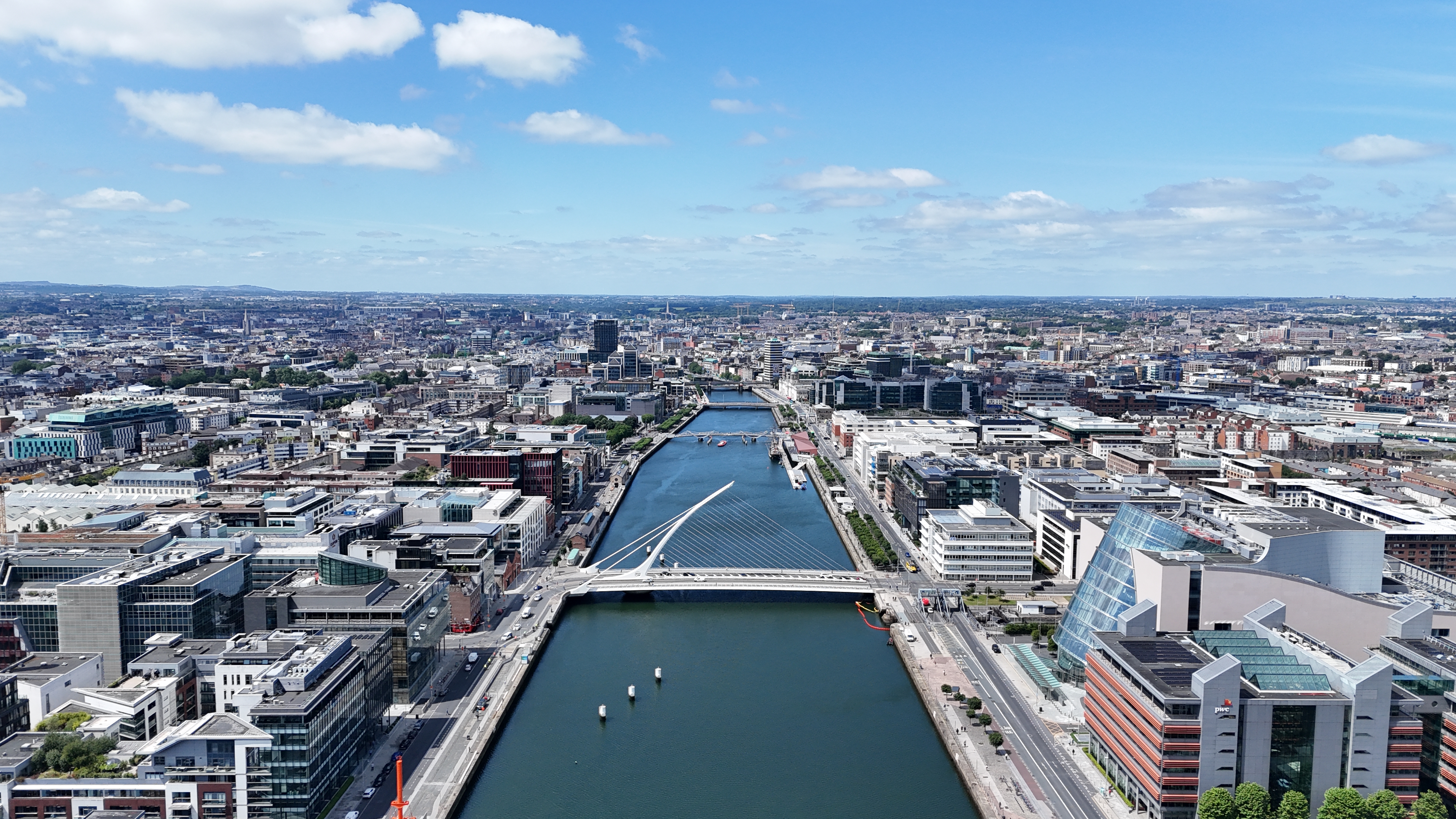
Dublin
EU HQs, housing crunch
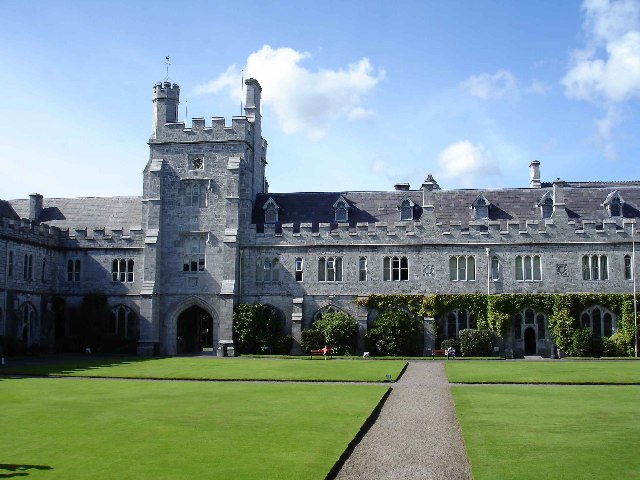
Cork
Rebel county, pharma
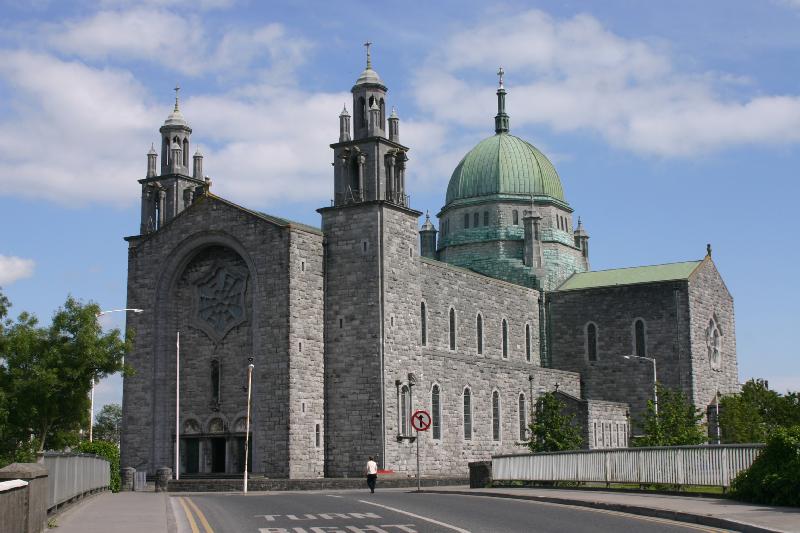
Neighbourhood picks
Dublin
Rathmines / Ranelagh
Village feel, food scene, Luas—popular; $1,700–$2,600 one-bed.
Dublin
Docklands
Tech HQs, modern, windy—$1,800–$2,800.
Cork
Victorian Quarter
Arts, cafes, walkable—$1,200–$1,900.
Banking & cash
AIB, Bank of Ireland, Ulster Bank, and Revolut Ireland operate widely. Opening accounts needs PPS, proof of address (utility bill or bank letter), and ID—new arrivals sometimes struggle without proof-of-address loops—ask employer for letter.
SEPA EUR dominates; contactless everywhere. Wise for USD/GBP clients—declare to Revenue if tax resident.
Cash rare in cities; ATMs fee-free within network.
Mortgage approval requires stable Irish employment history—remote foreign pay slips harder.
US FATCA reporting applies—choose banks familiar with US citizens if relevant.
Health & safety
Public healthcare via HSE—GP visits often €50–€60 without medical card; hospital care via referrals. Many workers use private insurance (VHI, Laya, Irish Life) for faster access—employer schemes common.
Emergency: 112 or 999. A&E busy—consider minor injury clinics.
Pharmacy schemes (DRP) reduce drug costs for long-term meds.
Mental health waiting lists exist—private therapy common in cities.
Dental mostly private—budget extras.
Prescription drugs cheaper than US—bring EU prescriptions when possible.
Culture & lifestyle
Irish conversation starts with weather—lean in. Pub culture is networking—buy rounds carefully. Craic matters—humour defuses conflict.
Work culture mixes American openness with European labour rights—meetings start friendly but HR processes formal.
Housing crisis is emotional—be respectful renting. Landlords may ask references from Irish contacts—prepare employer letters.
Rain is constant—embrace layers and weekend trips to Wicklow, Clare, Donegal. GAA sport is tribal—pick a county lightly.
Tipping 10–15% in restaurants if great service; rounds at bars build trust.
The real talk
The advantages
English-speaking EU member—ideal for US HQs
Strong tech, pharma, and finance clusters
Young educated workforce
The challenges
Dublin rent crisis and competition
Weather grey and wet
Healthcare queues without private insurance
Join the conversation
Connect with nomads and locals—search these hubs to get started.
Frequently asked questions
Tax snapshot
PAYE system with USC and PRSI; rent credit schemes evolve — Revenue.ie + accountant for cross-border cases.
Community tips
Housing groups on Daft.ie alerts, GAA matches for local immersion, explore Wild Atlantic Way weekends.
This destination is perfect for…
Ready to work remotely in Ireland?
Browse roles you can do from anywhere.
Browse jobs arrow_forward