
Italy
Last updated: April 2026


Overview
What remote workers notice first about Italy.
National digital nomad visa pathway for non-EU remote workers
Regional lifestyle from Alps to Sicily
Improving fibre in cities
Strong food, art, and weekend travel
Visa Spotlight
Digital Nomad Visa (Italy)
Thinking about working in Italy or moving there? Our expat guide covers visas, jobs, salaries, cost of living, and everything you need to know before you go.
- check
Income proof
Foreign remote income documentation
- check
Clean record
Police certificate where required
- check
Local address
Lease or accommodation agreement
- check
Insurance
Health coverage per application rules
Duration: 1 year renewable·Fees: ~€116+
Requirements: Remote employer/client abroad, income threshold, insurance — verify with consulate
Your passport matters
Entry and stay rules depend on citizenship and purpose of visit. Always confirm the latest requirements for your nationality with official government sources before you travel.
Full visa details arrow_forwardApplication process
Italy's digital nomad visa targets non-EU nationals who work remotely using telecommunications for employers or clients outside Italy. You typically apply at the Italian consulate in your country of residence with proof of employment or freelance contracts, minimum income (thresholds are set in law—confirm current euros with the consulate), comprehensive health insurance, accommodation evidence, and a clean criminal background where required.
Elective residence suits those with stable passive income who will not work—not remote employees. Do not confuse the two.
After entry, you obtain a permesso di soggiorno, codice fiscale, and register residency (anagrafe) at your comune. Timelines vary—northern cities can be busy.
Renewal requires showing continued income, tax compliance, and valid insurance. Rejections often involve ambiguous remote-work proof or insurance gaps—use a lawyer for your first filing.
Codice fiscale and bank accounts unlock utilities; expect multiple in-person appointments. Patience and espresso help.
Cost of Living
Rome lifestyle index
Estimated monthly budget for a high-quality nomadic lifestyle including a modern apartment, co-working, and weekend trips—based on the guide's worked example where available.
Example month for a single remote worker in Turin (affordable north, good infrastructure):
Rent (one-bed, San Salvario / Vanchiglia): $900 Utilities + fibre: $125 Transport (bus + metro): $45 Groceries + market: $320 Eating out twice weekly: $220 Coworking: $150 Private health top-up / co-pays: $60 Phone + software: $40 Gym / culture: $70 Miscellaneous: $110
Indicative total: about $2,040.
Milan adds 35–50% on rent vs Turin; Rome sits mid-high with traffic costs. Southern cities like Bari or Palermo can cut housing further but factor infrastructure and heat.
Top Nomad Hubs
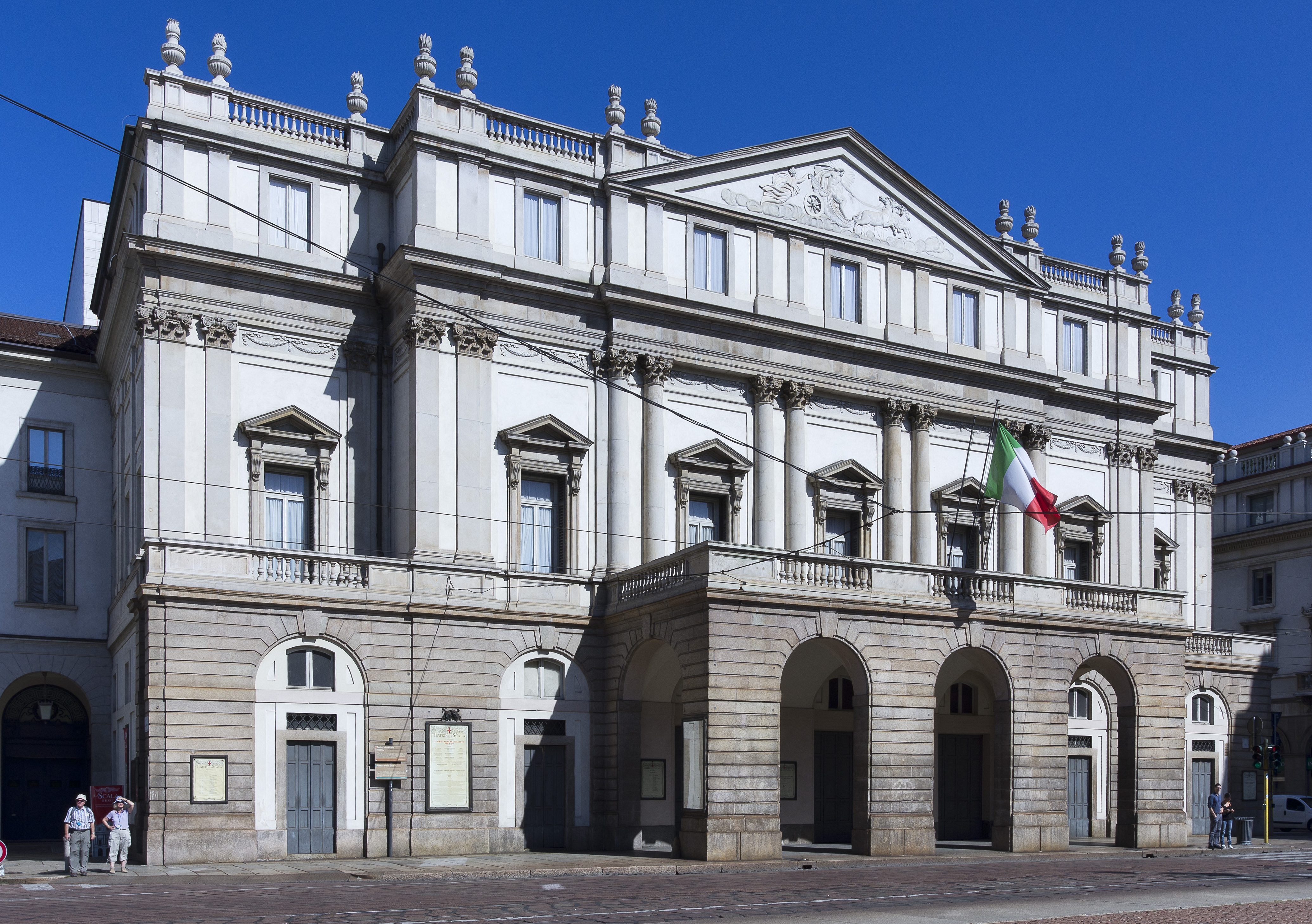
Milan
Business, fashion, finance
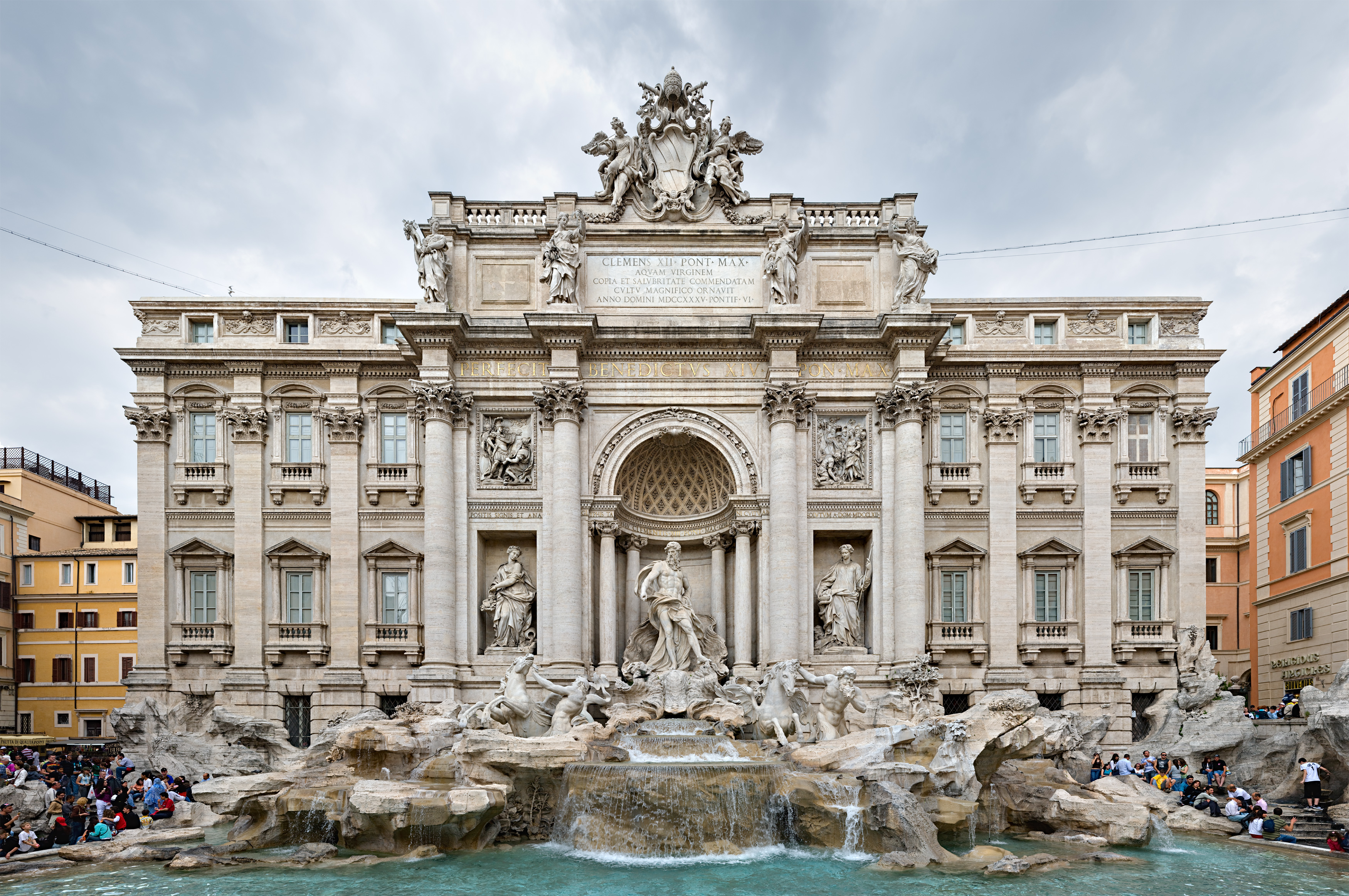
Rome
Historic, chaotic, central Italy hub
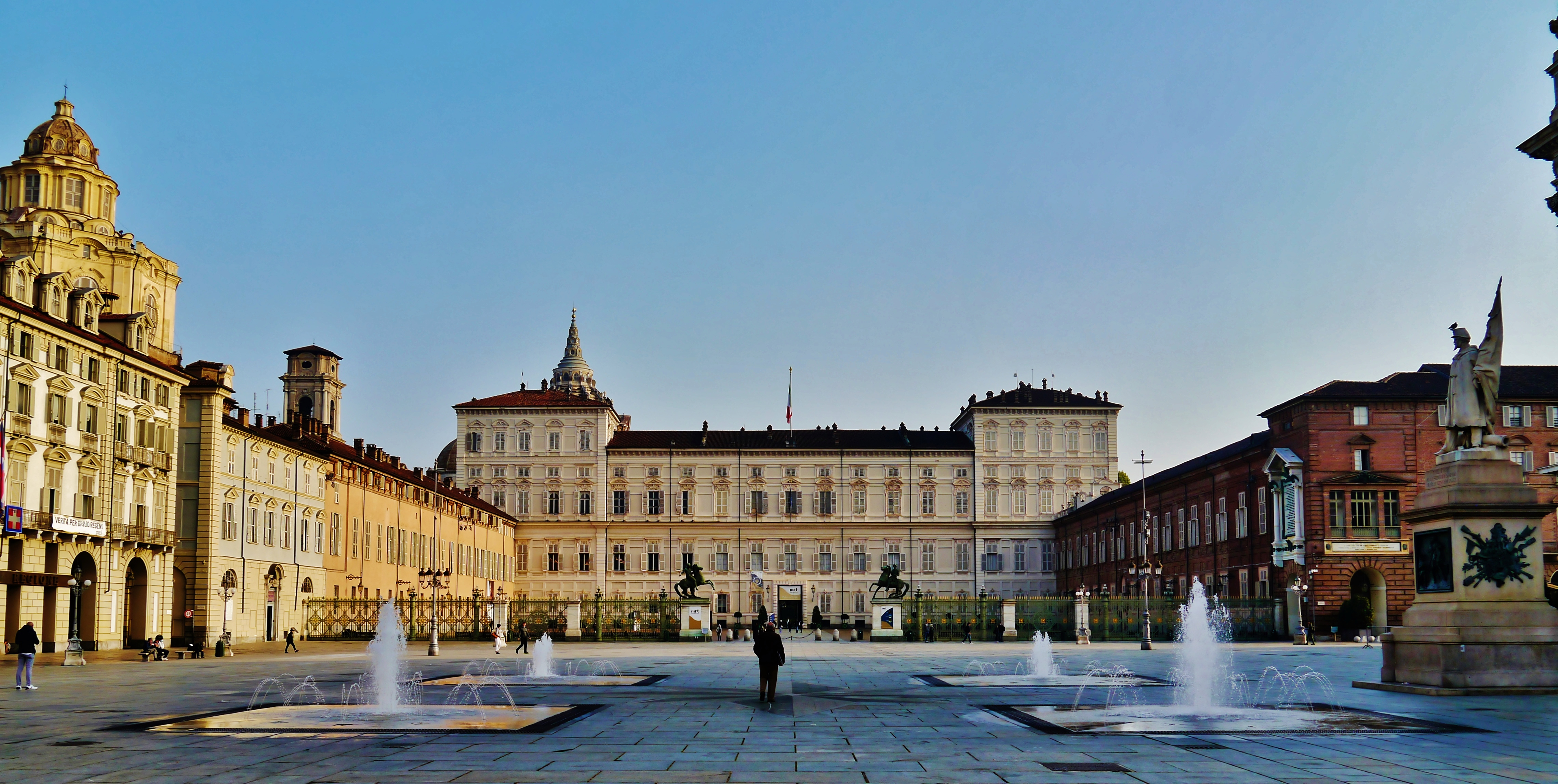
Turin
Affordable north, automotive heritage
Neighbourhood picks
Milan
Isola
Converted industrial, creative, good transport—popular with expats; one-beds often $1,300–$2,000.
Rome
Trastevere
Cobblestones, nightlife, tourist pressure—charming but noisy; $1,100–$1,700 for compact flats.
Turin
San Salvario
Multicultural, bars, affordable vs Milan—one-beds $750–$1,100.
Banking & cash
Major banks include Intesa Sanpaolo, UniCredit, and Banco BPM; digital options include N26 and Hype where available. Opening a conto corrente needs codice fiscale, ID, permesso, and proof of address—branches vary in friendliness to newcomers.
Wise and Revolut ease receiving foreign currency; you will still want an Italian IBAN for rent, INPS, and utilities.
Poste Italiane offers basic accounts—useful when branches reject you. Cash lingers in smaller towns; cards work in cities.
Tax: Italian residents must declare worldwide income—keep Wise/Revolut statements organised for your commercialista.
Health & safety
Italy's Servizio Sanitario Nazionale (SSN) provides strong care once you are registered and contributing—employees via employer, others via voluntary enrolment or income-based paths depending on status.
Private insurance satisfies visa entry; providers include Allianz, Generali, and Unipol—budget €50–€120/month for mid-tier expat plans before SSN kicks in fully.
Emergency: 118 or 112. Pronto soccorso handles emergencies; choose a medico di base for referrals to keep costs down.
North–south quality gaps exist but major cities have excellent hospitals—Milan and Rome lead for English-speaking staff.
Pharmacies (farmacia) advise on minor ailments; many drugs are cheaper than US equivalents.
Culture & lifestyle
Italian life is relationship-first—introduce yourself to neighbours, greet bar staff, and expect bureaucracy in triplicate. Lunch is sacred in many families; August empties cities for ferragosto.
North (Milan, Turin) runs faster; south runs warmer and later—dinner after 8pm is normal. Politics and football are passionate—listen more than you lecture.
Tipping: coperto and service may appear on bills; round up for great service. Coffee standing at the bar costs less than table service.
Learn Italian—English works in tech bubbles but comune, post office, and landlords reward effort. Join aperitivo groups, cooking classes, and hiking clubs—the mountains and coast are national religion.
The real talk
The advantages
Digital nomad visa for qualifying remote workers
Unmatched food, art, and regional diversity
EU travel from well-connected hubs
The challenges
Bureaucracy slow—permesso queues in big cities
Tax and social security complexity for residents
South–north infrastructure gap
Join the conversation
Connect with nomads and locals—search these hubs to get started.
Frequently asked questions
Tax snapshot
Tax residency can trigger worldwide taxation; new arrivals should plan split-year and social security with an Italian commercialista.
Community tips
InterNations chapters, coworking trial weeks, and learning basic Italian for bureaucracy.
This destination is perfect for…
Ready to work remotely in Italy?
Browse roles you can do from anywhere.
Browse jobs arrow_forward