
Greece
Last updated: April 2026


Overview
What remote workers notice first about Greece.
Digital Nomad Visa with income threshold
Island lifestyle options off-season
Lower cost vs many western EU capitals
EU Schengen access when holding valid permits
Visa Spotlight
Digital Nomad Visa
Thinking about working in Greece or moving there? Our expat guide covers visas, jobs, salaries, cost of living, and everything you need to know before you go.
- check
Income proof
Foreign remote income documentation
- check
Clean record
Police certificate where required
- check
Local address
Lease or accommodation agreement
- check
Insurance
Health coverage per application rules
Duration: 1 year, extendable·Fees: ~€75+
Requirements: Remote work for non-Greek employers, minimum monthly income, insurance
Your passport matters
Entry and stay rules depend on citizenship and purpose of visit. Always confirm the latest requirements for your nationality with official government sources before you travel.
Full visa details arrow_forwardApplication process
Greece markets one of Europe's most approachable Digital Nomad visas for non-EU remote workers who can document stable foreign income and comprehensive insurance. The programme pairs with tax incentives aimed at attracting long-stayers who spend money locally while working for employers abroad.
Eligibility basics
You typically need proof of remote employment or freelance contracts with clients outside Greece, monthly income above the published threshold (often cited around €3,500 gross depending on dependants—confirm with the Greek consulate), valid passport, criminal background checks where required, accommodation evidence, and health insurance covering Greece.
Document preparation
Compile apostilled or legalised documents as your consulate demands—employment letters on letterhead, recent payslips, bank statements, tax residency declarations if relevant, and translated leases. Freelancers should show recurring invoices, not one-off projects.
Where to apply
Submit at the Greek consulate covering your place of residence. Some applicants already in Greece explore conversions—rules fluctuate; lawyers help.
Processing
Timelines vary from a few weeks to a couple of months depending on backlog. Fees are modest relative to other EU states.
After entry
Register locally, obtain AFM tax number, open bank account (can be bureaucratic—patience and Greek phone number help), and choose public or private healthcare pathways.
Renewal
Demonstrate continued foreign income, tax filings if applicable, and insurance. Keep clean financial records—Greek authorities appreciate transparency after past crises.
Rejections
Insufficient income proof, insurance gaps, or ambiguous remote work setups trigger refusals—clarify employer location and currency trails.
Cost of Living
Athens lifestyle index
Estimated monthly budget for a high-quality nomadic lifestyle including a modern apartment, co-working, and weekend trips—based on the guide's worked example where available.
Example month for a single remote worker in Athens (Koukaki / Petralona style):
Rent (one-bed furnished): $900 Utilities + fibre: $140 Transport (metro monthly + occasional taxi): $45 Groceries + laiki market produce: $290 Eating out three times weekly: $220 Coworking: $130 Health insurance: $55 Weekend island ferry occasionally amortised: $80 Entertainment / gym: $70 Miscellaneous: $110
Indicative total: about $2,040.
Santorini or Mykonis summer short lets can double housing; Crete off-season bargains appear October–April. Thessaloniki shaves 15–20% vs central Athens for rent.
Top Nomad Hubs
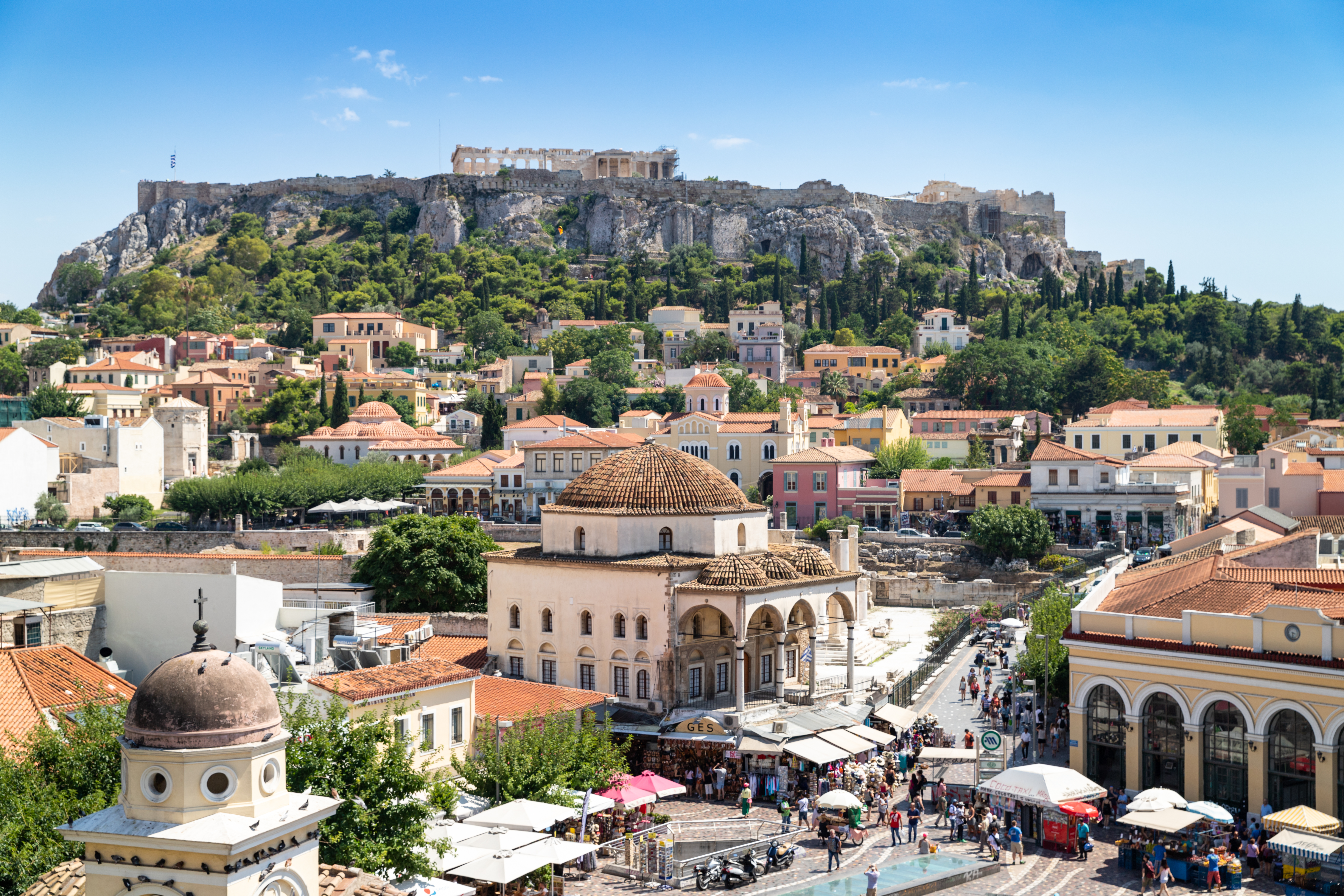
Athens
Startup growth, ancient grit, best infrastructure for remote work
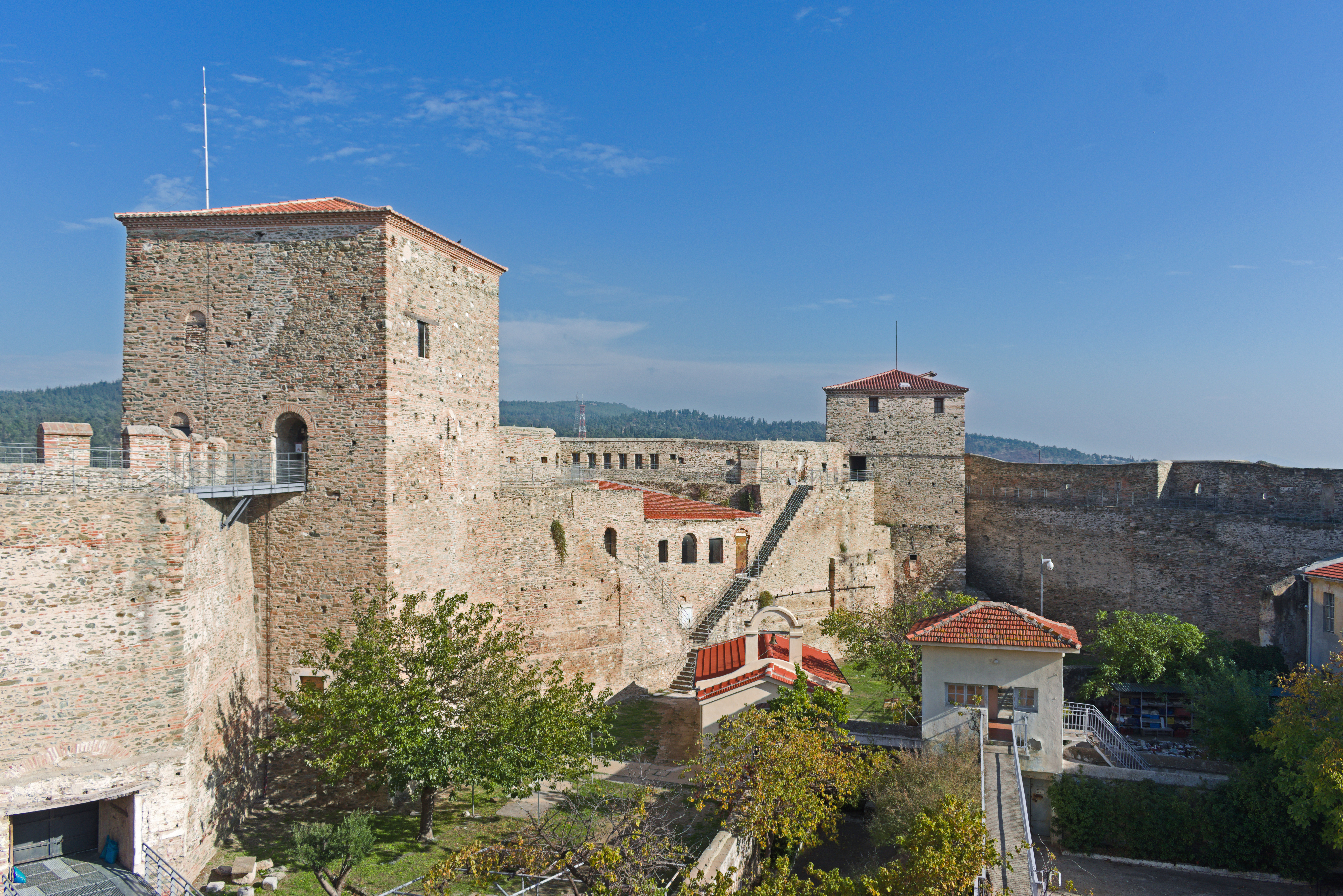
Thessaloniki
Youthful, cheaper than Athens, strong food scene
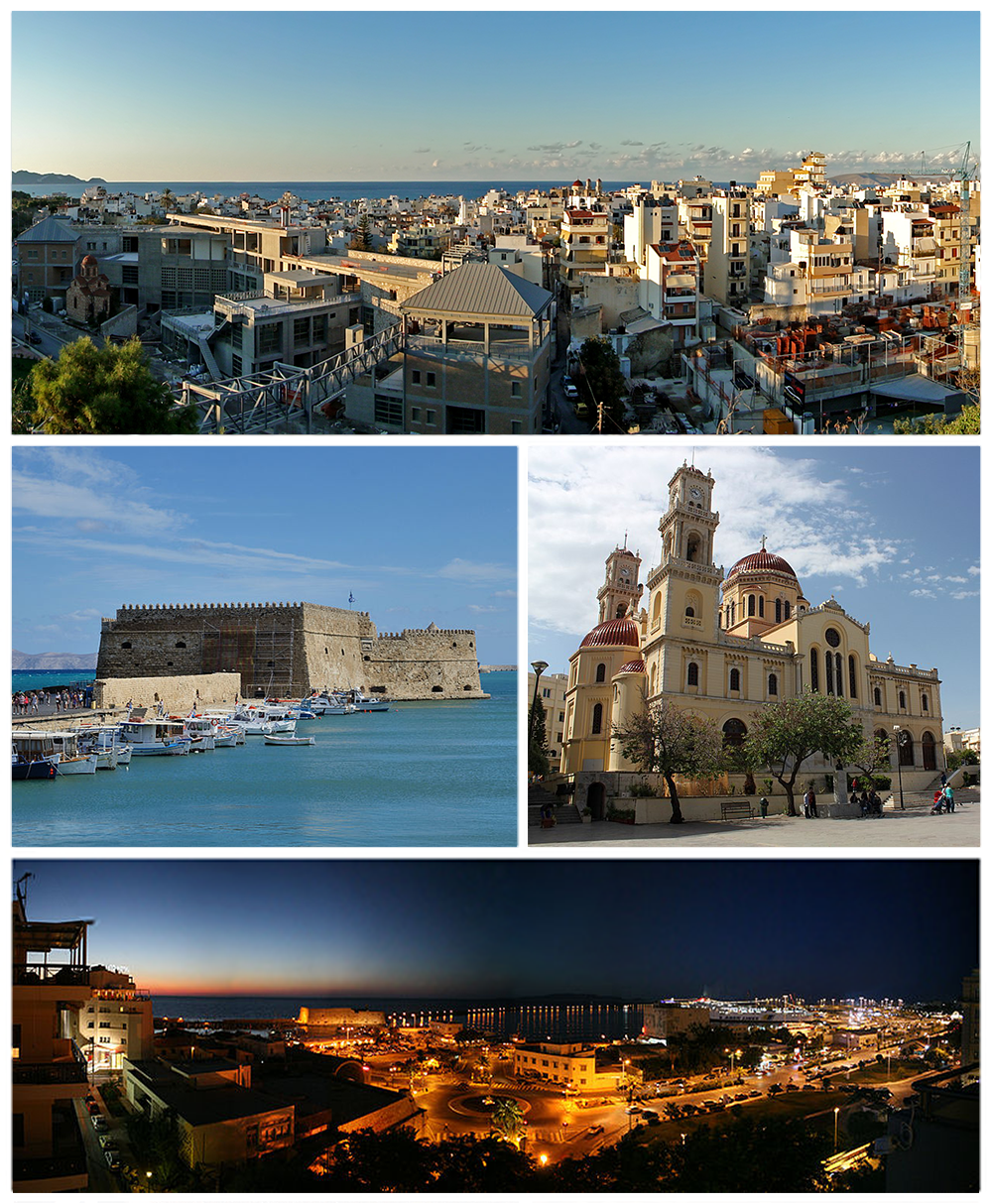
Heraklion (Crete)
Island logistics, winter quiet, summer tourism surge
Neighbourhood picks
Athens
Koukaki
Under the Acropolis, café density, tourist bustle but charming side streets—nomad favourite. One-beds €700–€1,100.
Athens
Monastiraki
Central, metro hubs, flea market energy—noisy but vibrant; choose upper floors for quiet. Rents €750–€1,200.
Athens
Exarcheia
Alternative, political street art, cheaper rents, edgy vibe—verify building access and night noise. Rents €600–€950.
Banking & cash
Major Greek banks—National Bank, Eurobank, Alpha, Piraeus—open accounts for residents with passport, AFM, proof of address, and sometimes reference letters. Online onboarding is improving but expect branch visits. Wise and Revolut ease receiving foreign currency; many nomads transfer to local accounts for rent.
Cards work widely in Athens; islands still prefer cash in tiny tavernas—carry euros. Capital controls memories linger—large transfers may face questions, so document sources.
ATM fees: use bank ATMs, avoid standalone tourist traps on islands charging premium spreads.
Tax reporting for foreign accounts interacts with annual declarations—ask an accountant if you hold large balances abroad.
Mobile banking apps are solid—2FA SMS requires local SIM; Cosmote, Vodafone, Wind compete.
Health & safety
Greece mixes public ESY coverage with private hospitals in Athens and Thessaloniki. Digital nomad visa holders typically carry private insurance meeting minimum inpatient/outpatient standards—verify wording matches embassy PDFs.
Private providers like Interamerican, Eurolife, and Groupama offer English sales; premiums vary €40–€120 monthly depending on age.
Public ESY care is good in cities; islands may medevac serious cases to Athens. Pharmacies are knowledgeable—many drugs available without US-style friction.
Emergency dial 166 (EKAB) or 112. Tourist season strains island clinics—purchase insurance with evacuation if you live cliffside remote.
Mental health resources grow in Athens—English therapists exist but book ahead.
EU citizens use EHIC for temporary stays; long-term residents transition to local systems.
Culture & lifestyle
Greek time bends—appointments may slip slightly, but government offices demand punctuality when your ticket number flashes. Relationship-building over coffee unlocks landlords and accountants.
English proficiency rises among younger Athenians; islands and villages reward Greek phrases—kalimera goes far. Work culture in multinationals resembles western Europe; family tavernas still dominate social life—expect loud tables, shared plates, and late nights.
Bureaucracy loves stamps—scan everything, carry passport copies, smile through repeats. Strikes happen—monitor ferry news if island hopping.
Heatwaves demand siesta logic even if not formal—schedule deep work mornings, beach afternoons.
Regional pride is intense—Crete is not Athens; listen more than you preach. Noise and motorbikes are part of city symphony—noise-cancelling headphones for home offices facing streets.
Tipping 5–10% in restaurants is appreciated; round taxi fares.
Remote workers thrive when they join hiking clubs, sailing weekends, and olive harvest volunteering—integration beats beach laptop clichés.
The real talk
The advantages
Digital Nomad Visa relatively affordable
Potential multi-year tax incentive for qualifying incomes
Mediterranean lifestyle and food culture
The challenges
Bureaucracy heavy—AFM, banks, utilities slow
Greek language barrier outside Athens
Island internet can be flaky in storms
Join the conversation
Connect with nomads and locals—search these hubs to get started.
Frequently asked questions
Tax snapshot
Greece introduced incentives for digital migrants including potential income tax discounts for qualifying stays—rules depend on duration, registration, and income source. Tax residency triggers at 183+ days generally—consult a Greek accountant before assuming the discount applies to your structure.
Community tips
Athens Digital Nomad Facebook groups, island hopping shoulder seasons (May/June, September), learn Greek alphabet basics for signage.
This destination is perfect for…
Ready to work remotely in Greece?
Browse roles you can do from anywhere.
Browse jobs arrow_forward