
Guyana
Last updated: April 2026


Overview
What remote workers notice first about Guyana.
English-speaking — only South American nation with English as official language
Coastal strip + vast interior — rainforest, Kaieteur Falls, eco-tourism potential
Visa-free or on-arrival options for many nationalities — confirm duration with immigration
Oil-and-gas economy has raised costs in pockets — still moderate vs global cities
Visa Spotlight
Tourist / visitor entry
Guyana for remote workers: Georgetown, cost of living, visas, Caribbean English context, and practical tips before you base on the northern coast.
- check
Income proof
Foreign remote income documentation
- check
Clean record
Police certificate where required
- check
Local address
Lease or accommodation agreement
- check
Insurance
Health coverage per application rules
Duration: Varies by nationality — often 30–90 days; extensions via immigration·Fees: Low fees where applicable
Requirements: Valid passport, onward ticket sometimes, proof of funds — check Guyanese embassy for your passport
Your passport matters
Entry and stay rules depend on citizenship and purpose of visit. Always confirm the latest requirements for your nationality with official government sources before you travel.
Full visa details arrow_forwardApplication process
Guyana's immigration services process extensions and permits — start at the official window with passport, photos, and supporting letters. Overstays risk fines — regularise before exit.
Work permits for local employment require employer sponsorship and police certificates from countries of residence — apostille/legalisation may be needed. Remote work for foreign entities is a niche area — confirm whether your stay category allows it; legal counsel helps for multi-year plans.
Health checks and police certificates should be recent — bring certified copies. Processing times are not Silicon Valley fast — plan buffer weeks.
Interior travel may require permits in sensitive zones — coordinate with tour operators and respect indigenous community protocols.
Cost of Living
Georgetown lifestyle index
Estimated monthly budget for a high-quality nomadic lifestyle including a modern apartment, co-working, and weekend trips—based on the guide's worked example where available.
Example month — Georgetown, modest expat style:
Rent (two-bed apartment, decent area): $650 Utilities + fibre: $95 Transport (taxi share + minibus): $80 Groceries (mix local + imports): $320 Eating out: $180 Mobile + backup data: $45 Travel insurance: $85 Weekend coast / interior trip savings: $120 Misc: $90
Indicative total: ~$1,665. Interior towns drop sharply on rent but add generator fuel and logistics costs.
Top Nomad Hubs
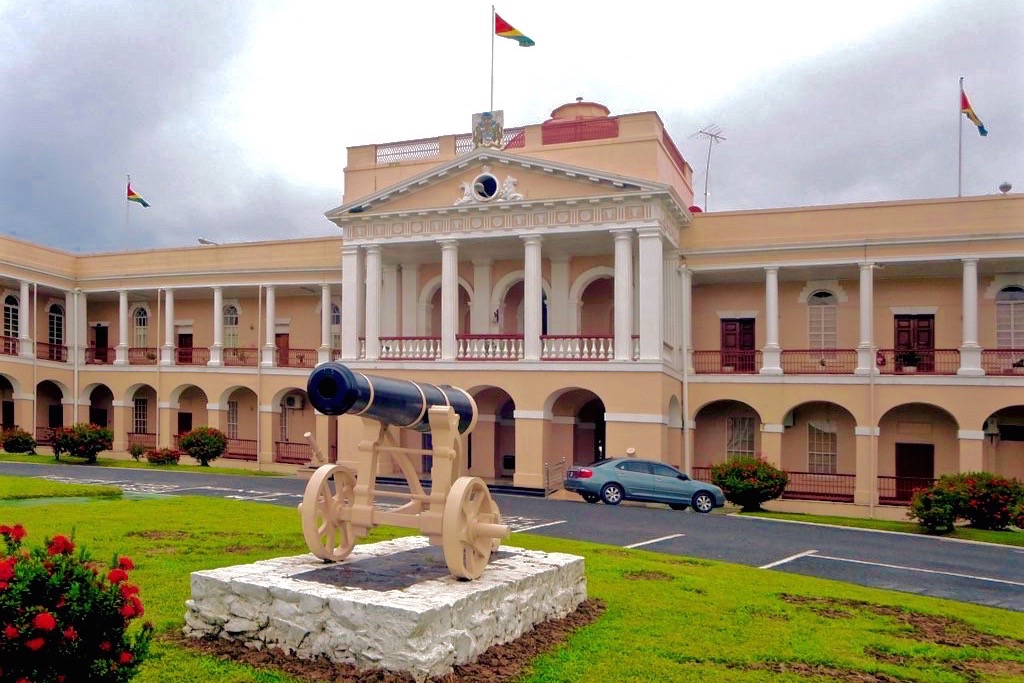
Georgetown
Colonial grid, Stabroek Market bustle, Atlantic sea wall — main services and flights

Linden
Mining town upriver — quieter, lower rents, limited nightlife

New Amsterdam
Berbice River area — regional hub, slower pace than Georgetown
Neighbourhood picks
Georgetown
Bel Air / Prashad Nagar
Leafier, embassies nearby — higher rents; verify gated compound options and backup power.
Georgetown
Main Street / Ocean view strips
Sea breeze, evening walks on the wall — noise from events; check flood history during heavy rains.
Banking & cash
Major banks include Republic Bank (Guyana), GBTI, and Demerara Bank — accounts typically need work permit or substantial documentation. Tourist banking is card-based — Visa/Mastercard in Georgetown; carry cash for markets.
US dollars circulate alongside GYD — clarify exchange rate at point of sale. Mobile money penetration is growing — ask which apps locals trust week-to-week.
ATM reliability varies — keep backup cash for weekends. Inform your home bank before travel — Guyana can trigger fraud blocks.
Wire transfers for rent may go through correspondent banks — confirm IBAN/SWIFT details carefully.
Health & safety
Georgetown has private facilities (Woodlands, St. Joseph's Mercy) — quality improves yearly but complex cases may medevac to Miami or Trinidad. Travel insurance with evacuation cover is prudent.
Public system exists — waits can be long; expats often blend private GP + insurance.
Dengue and malaria risk in hinterland — prophylaxis and repellent per travel clinic. Yellow fever certificate may be requested depending on itinerary.
Emergency services are limited outside the capital — plan accordingly for jungle trips. Mental health resources are thin — telehealth abroad may supplement.
Culture & lifestyle
Guyana is culturally diverse — Indo-Guyanese, Afro-Guyanese, Indigenous nations, and smaller communities. Avoid careless stereotypes; listen first.
Hospitality is genuine — reciprocate invitations. Dress modestly in government buildings; beachwear stays at the coast.
Road safety: driving is on the left — UK legacy. Night travel on rural roads is risky — plan daylight moves.
Carnival and Mashramani are big — housing books early. Respect Amerindian village rules when visiting — ask permission for photos.
The real talk
The advantages
English official — lower friction for many nomads
Underrated nature and biodiversity
Friendly interpersonal culture
The challenges
Smaller nomad infrastructure than regional peers
Internet outside Georgetown can be patchy
Imported goods expensive
Join the conversation
Connect with nomads and locals—search these hubs to get started.
Frequently asked questions
Tax snapshot
Tax residency rules apply if you become ordinarily resident — oil-sector expats often on structured packages. Remote workers on short stays rarely trigger obligations; long-term bases need a local accountant. Guyana uses a territorial-ish framework in parts of law — professional advice essential before invoicing locally.
Community tips
Cricket and rum culture; CARICOM ties; small-town networking beats cold outreach. Interior trips need reputable operators — roads and weather dictate pace. Learn Creole phrases — rapport opens doors.
This destination is perfect for…
Ready to work remotely in Guyana?
Browse roles you can do from anywhere.
Browse jobs arrow_forward