
Germany
Last updated: April 2026


Overview
What remote workers notice first about Germany.
Strong fibre and mobile data in cities
Freelance (§21) and employment routes well documented
Excellent healthcare system
Central EU travel hub
Visa Spotlight
Freelance / Self-employment residence (§21 AufenthG)
Thinking about working in Germany or moving there? Our expat guide covers visas, jobs, salaries, cost of living, and everything you need to know before you go.
- check
Income proof
Foreign remote income documentation
- check
Clean record
Police certificate where required
- check
Local address
Lease or accommodation agreement
- check
Insurance
Health coverage per application rules
Duration: Typically 1–3 years renewable·Fees: €100+ application fees
Requirements: Client letters, finances, insurance, local address — varies by Ausländerbehörde
Your passport matters
Entry and stay rules depend on citizenship and purpose of visit. Always confirm the latest requirements for your nationality with official government sources before you travel.
Full visa details arrow_forwardApplication process
Germany offers several routes for remote-minded professionals, but none is a generic “digital nomad visa” with a single brand name. The Freiberufler / freelance residence permit under §21 AufenthG is the classic path for self-employed designers, developers, consultants, and journalists who can prove economic interest and local demand. Employed remote workers may use the EU Blue Card if salary and degree recognition align, or standard employment residence tied to a German contract.
Freelance visa (Freiberufler) in practice
You typically schedule an Ausländerbehörde appointment in your city after securing an address registration (Anmeldung). Bring a portfolio, two or more client letters of intent, revenue forecasts, CV, proof of relevant qualifications, health insurance valid for German residence, rental contract, bank statements, and biometrics fee. Berlin, Hamburg, and Munich interpret “freiberuflich” narrowly—some activities fall into Gewerbe (trade) instead and require a Gewerbeschein from the Ordnungsamt.
Opportunity Card (Chancenkarte)
Launched to attract skilled job seekers, the points-based Chancenkarte lets eligible candidates enter for limited job search. It is not a remote-work permit by itself—you must convert to employment or freelance status before informal work continues long term. Language points, qualifications, and prior Germany ties matter; check the latest BMI guidance.
Blue Card context
If you hold a recognised university degree and a German employment contract above the statutory salary threshold, the Blue Card offers a fast track to permanent residence. Purely remote foreign employers complicate the standard model—legal advice is essential.
Processing and fees
Expect €100+ for residence title issuance, plus notarised translations. Processing times swing from weeks to months depending on the Behörde backlog—Berlin remains notorious.
Renewal
Demonstrate ongoing income, tax compliance, and pension/health contributions as applicable. Switching from freelance to employment (or vice versa) triggers a permit amendment.
Common pitfalls
Arriving on a tourist visa and working before approval, mixing Gewerbe and freiberuflich categories, or presenting vague client letters. Insurance must be statutory-compatible—travel insurance rarely suffices for the residence permit.
Cost of Living
Berlin lifestyle index
Estimated monthly budget for a high-quality nomadic lifestyle including a modern apartment, co-working, and weekend trips—based on the guide's worked example where available.
Example month for a freelance remote worker in Berlin (Prenzlauer Berg–style flat share avoided—solo one-bed):
Rent (cold 45m², altbau): $1,350 Utilities + internet (warm extras vary): $220 Public transport BVG AB monthly: $68 Health insurance (freelance GKV ballpark): $780 Groceries (Rewe, Lidl, weekly market): $340 Eating out / bars twice weekly: $220 Coworking membership: $190 Liability insurance (Haftpflicht, strongly recommended): $6 Software, phone, streaming: $60 Miscellaneous (clothing, travel weekend): $180
Indicative total: about $3,414—note health insurance dominates; employees pay differently.
Munich adds roughly 30–40% on rent for comparable flats; Hamburg sits between Berlin and Munich. East German cities like Leipzig remain bargains but with smaller English-speaking job networks.
Top Nomad Hubs
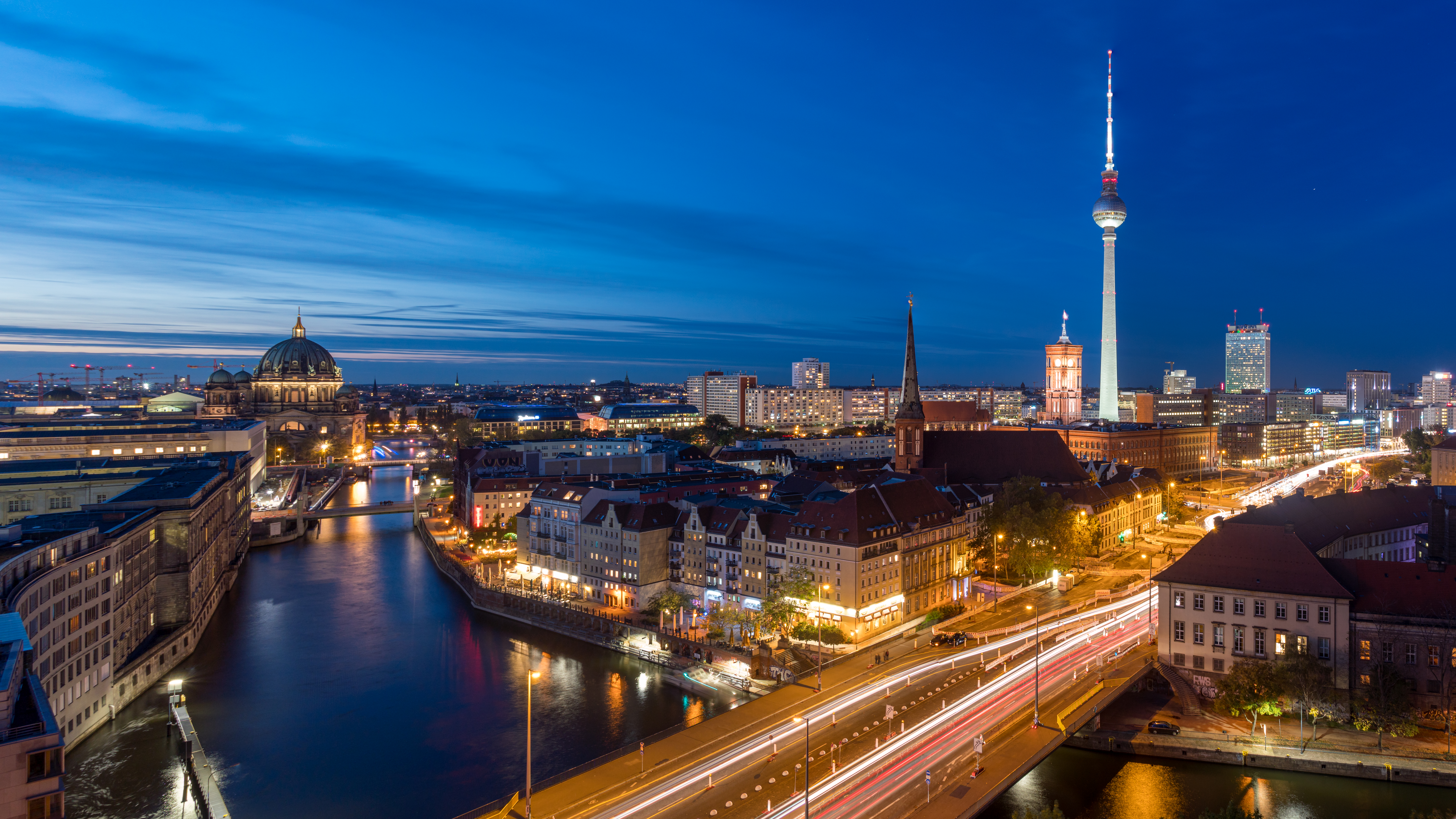
Berlin
Creative, still cheaper than Munich, 24h culture, huge English-speaking scene
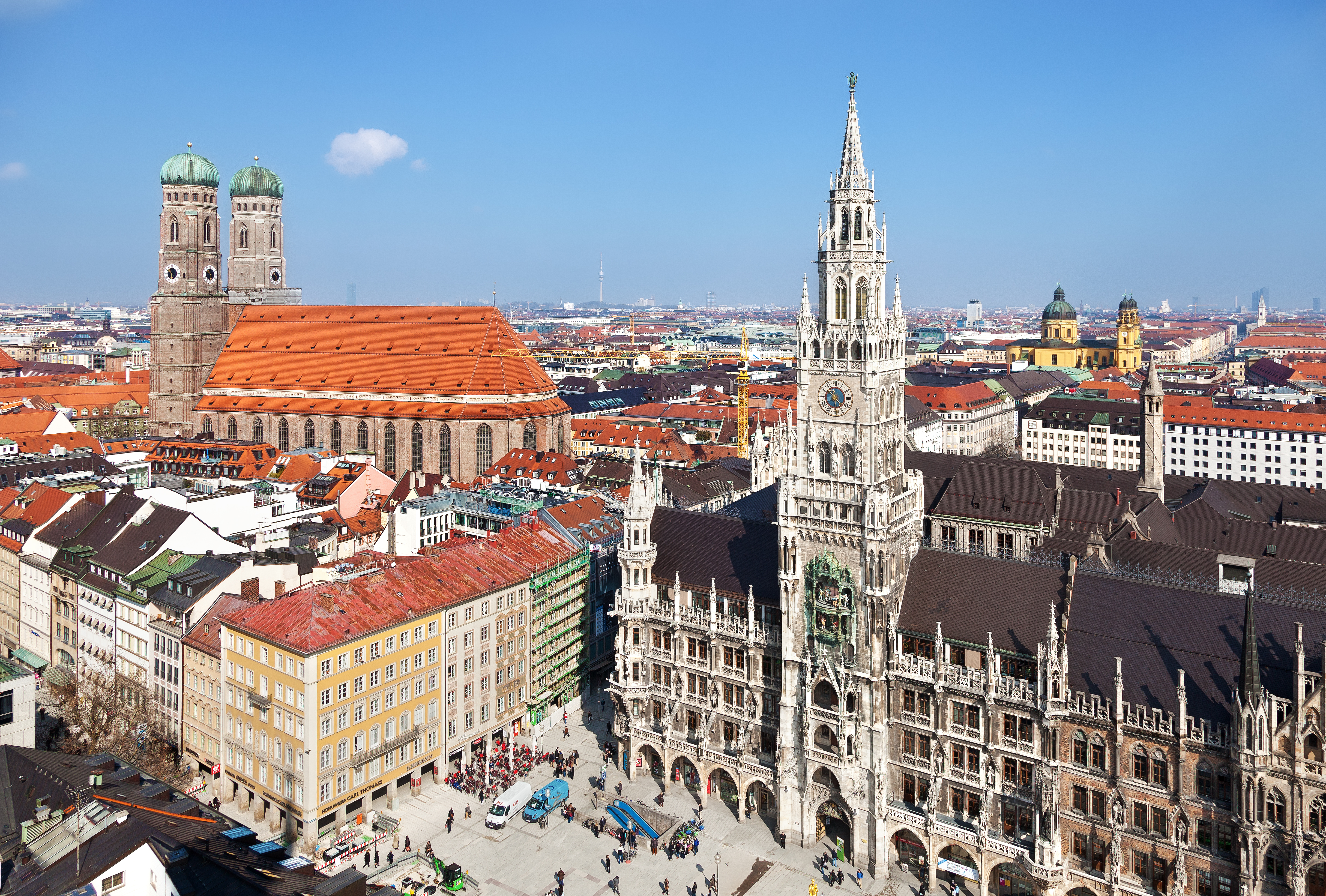
Munich
Corporate HQ, Alps weekends, highest rents in Germany
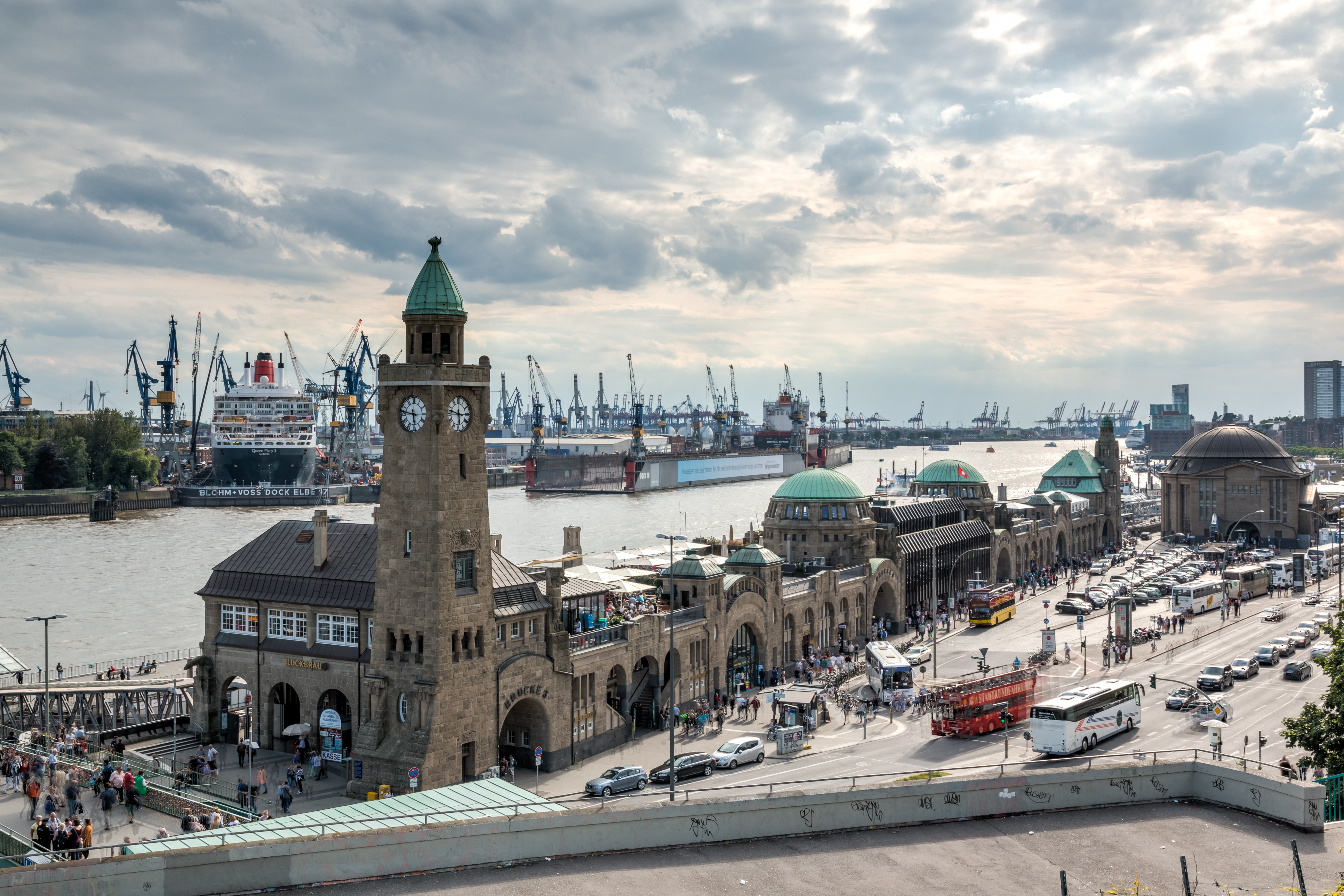
Hamburg
Harbour city, media, maritime startups, rainy but green
Neighbourhood picks
Berlin
Prenzlauer Berg
Family-friendly, café dense, calmer than Neukölln parties—popular with expat parents. Rents mid-high; expect €1,200–€1,800 for decent one-beds.
Berlin
Kreuzberg
Grungy-creative, international food, late nights by Görlitzer Park. Noise and Airbnb friction exist—rents wide, often €900–€1,500.
Munich
Schwabing
Leafy, university energy, English-friendly services, close to English Garden. Premium rents—€1,500–€2,200 for one-bed.
Banking & cash
Germany still loves bank transfers (Überweisung) and cash in bakeries—get a Girokonto early. Sparkasse, Deutsche Bank, Commerzbank, ING, DKB, and N26 compete for residents; online banks speed onboarding but may require video ID. Non-EU newcomers often need Anmeldung, passport, visa, and sometimes a salary slip—students and freelancers face extra scrutiny.
Wise and Revolut remain excellent for receiving foreign currency and converting to euros, but SCHUFA-relevant activities (Schufa credit score) usually flow through German accounts for apartment applications. Expect landlords to ask for three payslips and a Schufa record.
ATM fees: use your bank's partner networks; avoid Euronet ATMs with poor FX spreads. Girocard vs credit card acceptance differs—carry a debit Mastercard/Visa for supermarkets.
Tax: freelance bank accounts should separate business and personal flows to simplify Umsatzsteuer reporting. Interest income is taxable; crypto reporting tightened under EU rules—track everything.
SEPA instant payments arrive in seconds—use them for rent to prove punctuality to landlords who prize punctuality as much as the workplace does.
Health & safety
Germany combines statutory health insurance (GKV) with private options (PKV). Employees under certain salary thresholds must generally join GKV; freelancers can choose PKV if health-checked or opt into GKV via the Künstlersozialkasse or voluntary member routes—this is nuanced; use a broker.
GKV providers (TK, AOK, Barmer) charge roughly 14–15% of income with employer halves for employees; freelancers pay both halves subject to caps. Coverage includes children at no extra cost in many cases. Dental basics are covered; high-end orthodontics may not be.
Care quality is excellent; major cities have English-speaking GPs, but specialists may queue months for non-urgent issues. Emergency: dial 112 or visit ER; bring insurance card.
Telemedicine expanded post-pandemic—many insurers offer app-based prescriptions. Mental health therapy requires navigating Therapieplatz scarcity—start searching early if you anticipate need.
Switching from travel insurance to compliant cover before Anmeldung is critical—Ausländerbehörde staff compare policy PDFs line by line.
Culture & lifestyle
German work culture prizes punctuality, structure, and direct feedback—"this needs improvement" is informational, not personal. Meetings start on time; small talk is shorter than in southern Europe. Remote workers should still respect calendar precision—join calls with working links two minutes early.
Hierarchy exists in corporates but flatter in startups—use Sie until invited to du. Written follow-ups matter; WhatsApp is informal, email is official.
Winter darkness and grey skies challenge newcomers in Berlin and Hamburg—schedule daylight walks, gym sessions, and weekend trips to Baltic beaches or Alps. Christmas markets redeem December.
Recycling rules (Pfand bottles, paper separation) are serious neighbourly business—learn the Hausordnung. Sunday quiet laws mean no loud DIY—plan groceries Saturday night.
English proficiency is high in tech hubs, yet landlords, Behörde letters, and handymen may speak only German. B1 German unlocks life quality dramatically.
Social life clusters around Vereine (clubs), bouldering gyms, lake beaches in summer, and spontaneous Spätis in Berlin—say yes to park barbecues with caution on open-flame rules.
The real talk
The advantages
World-class infrastructure and public transport
Freelance visa pathway for genuine independents
High English penetration in tech cities
The challenges
Cold, dark winters in the north
Bureaucracy-heavy residence permits
Apartment hunt in Munich/Frankfurt is brutal
Join the conversation
Connect with nomads and locals—search these hubs to get started.
Frequently asked questions
Tax snapshot
Income tax is progressive; solidarity surcharge dynamics have shifted; church tax applies if registered with certain denominations. Freelancers prepay quarterly with ELSTER—hire a Steuerberater early. CHANCEN card holders must transition to work permits once employed.
Community tips
Meetup.de, English-language comedy open mics in Berlin, Munich's Isar swimmers in summer, and weekly coworking days at Factory Berlin or Hamburg Mindspace.
This destination is perfect for…
Ready to work remotely in Germany?
Browse roles you can do from anywhere.
Browse jobs arrow_forward