
Sweden
Last updated: April 2026


Overview
What remote workers notice first about Sweden.
World-class infrastructure and English proficiency
Strong labour protections and parental leave
Nature on the doorstep — allemansrätten
High quality healthcare once registered
Visa Spotlight
Work permit (employer-sponsored)
Thinking about working in Sweden or moving there? Our expat guide covers visas, jobs, salaries, cost of living, and everything you need to know before you go.
- check
Income proof
Foreign remote income documentation
- check
Clean record
Police certificate where required
- check
Local address
Lease or accommodation agreement
- check
Insurance
Health coverage per application rules
Duration: Linked to job, renewable·Fees: SEK application fees
Requirements: Job offer meeting salary/insurance rules, employer advertises role
Your passport matters
Entry and stay rules depend on citizenship and purpose of visit. Always confirm the latest requirements for your nationality with official government sources before you travel.
Full visa details arrow_forwardApplication process
Non-EU workers typically receive an employer-sponsored work permit after the employer advertises the role, offers insurance-compliant employment, and meets minimum salary thresholds set by Swedish unions and migration law. Apply online via the Swedish Migration Agency (Migrationsverket); biometrics at embassy follow.
EU Blue Card route suits highly qualified roles with salary above the Blue Card floor—compare with standard permit economics.
After approval, relocate, obtain personnummer (personal identity number) at Skatteverket—essential for bank, healthcare, and subscriptions—then register with Försäkringskassan.
Renew before expiry; changing employers requires new permit checks in many cases.
Remote work for non-Swedish employers without a Swedish entity is generally not covered by standard work permits—do not assume remote-only jobs qualify.
Rejections involve salary too low, insurance gaps, or failed labour market test—employers often use legal counsel.
Cost of Living
Stockholm lifestyle index
Estimated monthly budget for a high-quality nomadic lifestyle including a modern apartment, co-working, and weekend trips—based on the guide's worked example where available.
Example month for a single skilled worker in Stockholm (inner suburbs, not Östermalm prime):
Rent (one-bed): $1,650 Utilities + internet: $140 SL travel card: $100 Groceries (Coop/Willys): $420 Restaurants / fika: $280 Coworking: $260 Phone + software: $48 Gym / swimming: $75 Miscellaneous: $150
Indicative total: about $3,123.
Gothenburg and Malmö often 15–25% lower rent; SEK volatility affects USD comparisons.
Top Nomad Hubs
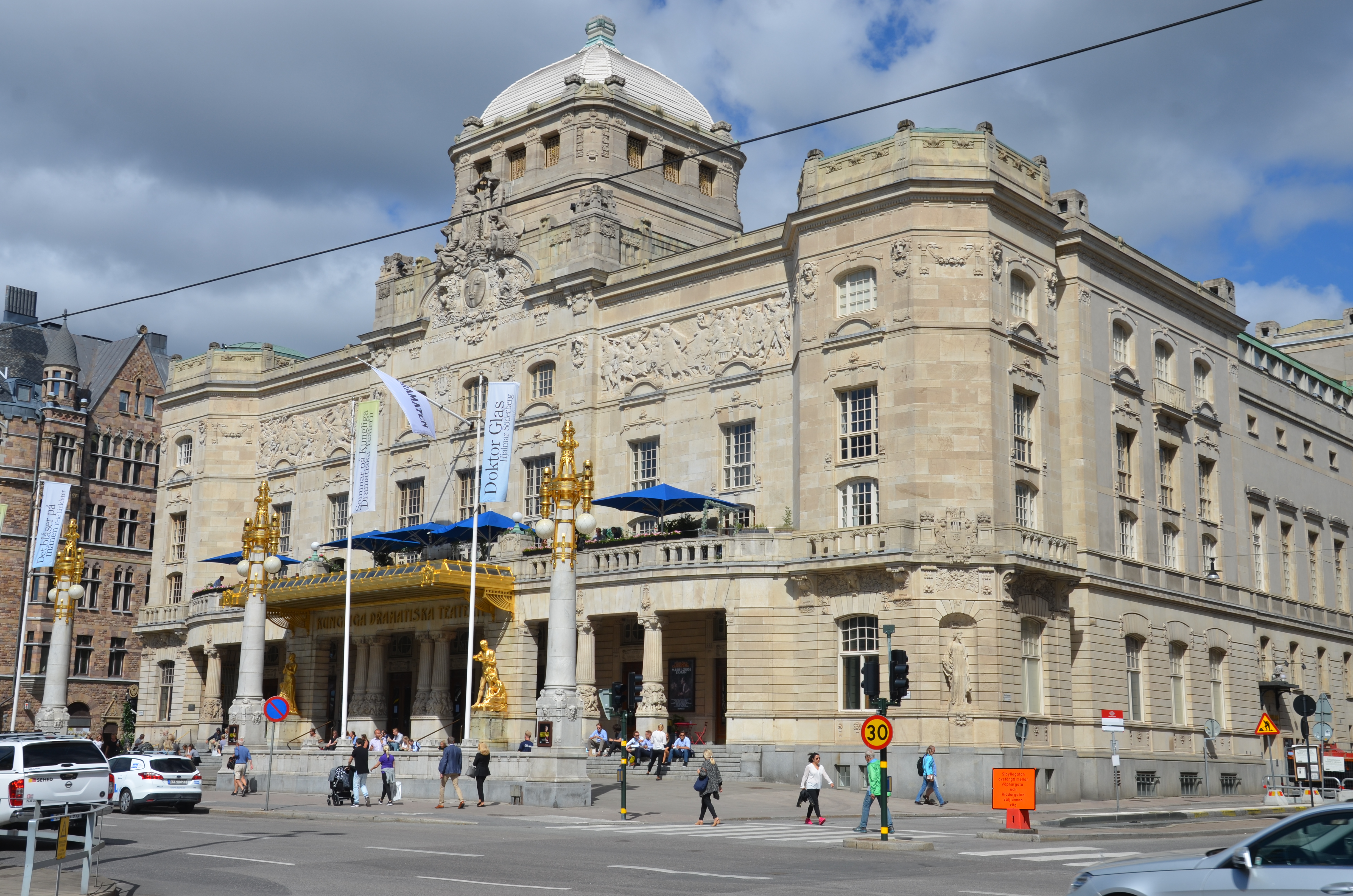
Stockholm
Islands, startups, pricey housing
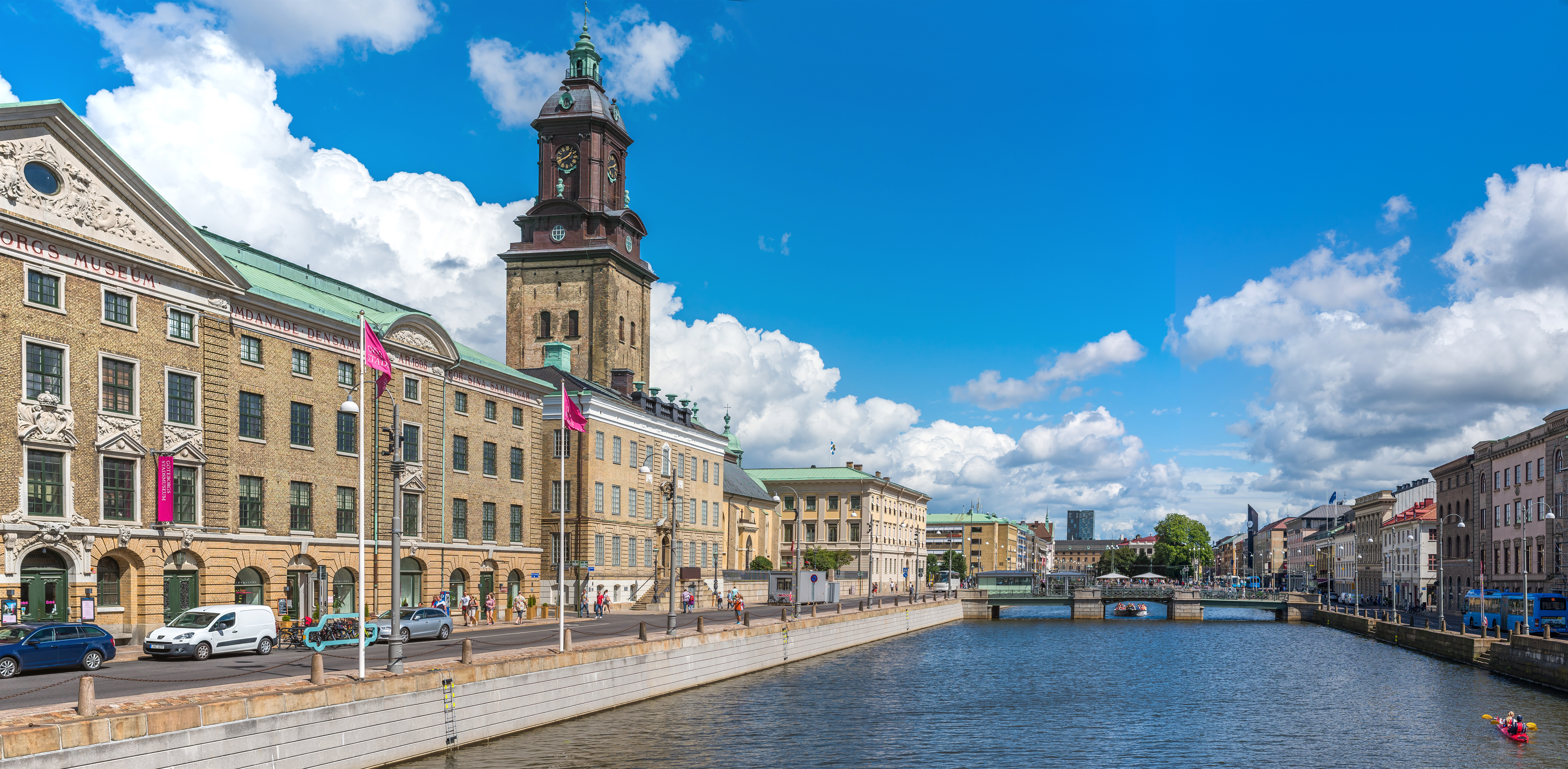
Gothenburg
West coast, automotive and volvo-land
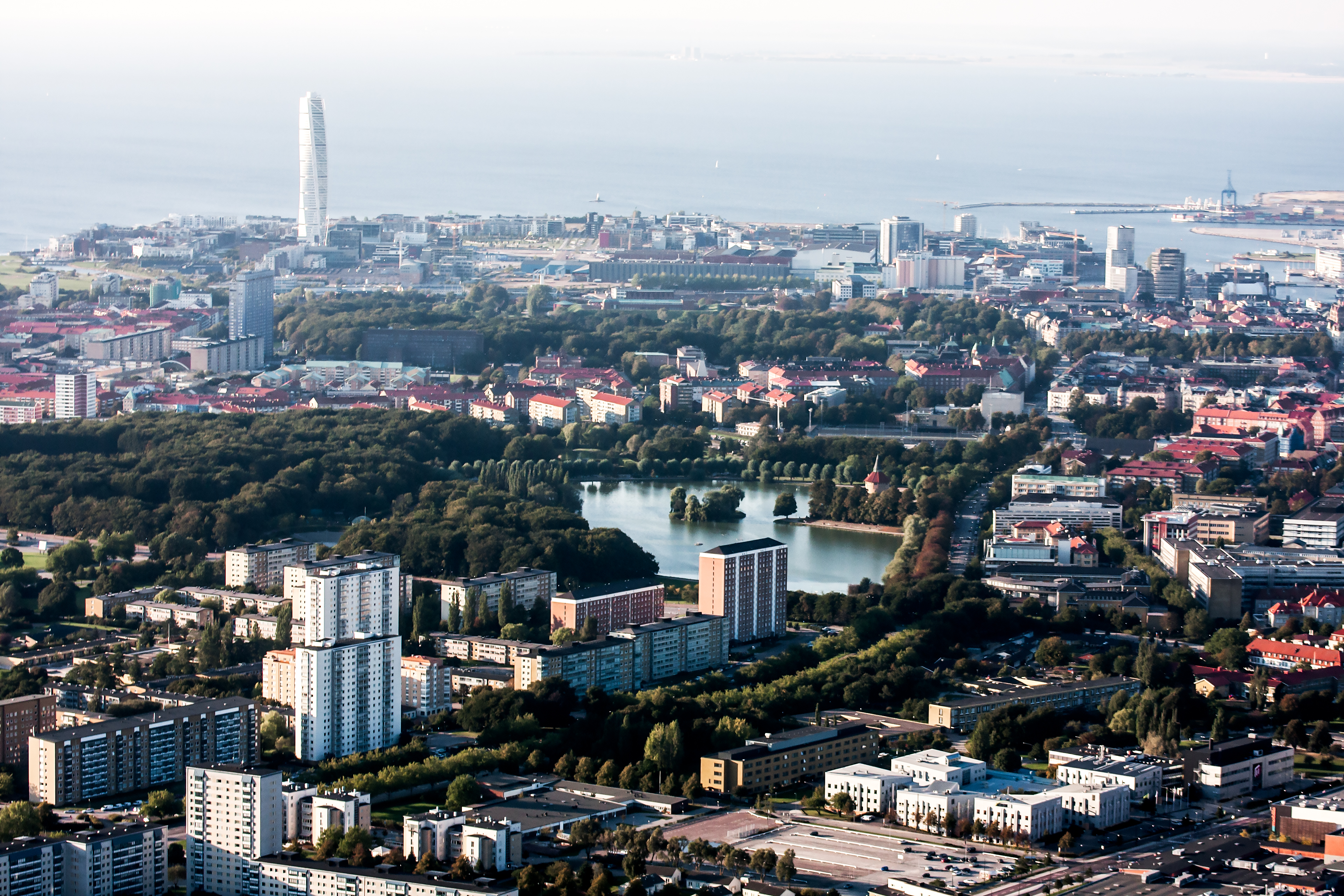
Malmö
Bridge to Copenhagen, diverse
Neighbourhood picks
Stockholm
Södermalm
Trendy, bars, walkable—popular; $1,400–$2,100 one-bed.
Gothenburg
Haga
Cobblestones, cafés, students—$1,000–$1,600.
Malmö
Västra Hamnen
Waterfront, sustainable, Turning Torso—$1,000–$1,700.
Banking & cash
Swedbank, SEB, Nordea, and Handelsbanken serve residents; Revolut and Wise popular for FX. BankID is central—unlock via bank account for tax, healthcare login, and signing.
You need personnummer and ID for accounts—queue early.
Swish dominates P2P payments—link mobile number.
Cash almost extinct—card everywhere.
Mortgage requires stable Swedish income—remote foreign employers complicate.
Declare foreign accounts if required—Skatteverket data sharing is strict.
Health & safety
Once registered with a personnummer, you access regionally managed healthcare (Vårdcentralen for GP, specialist referrals). Quality is high; waits for non-urgent care can stretch—1177 phone line triages.
Emergency: 112. Private care exists for faster access—optional insurance.
Dental: adult basic care subsidised partially—supplement for major work.
Mental health: improving access—university clinics in student cities.
Pharmacies (Apotek) efficient; prescription costs capped with high-cost protection.
Parental care and childcare are flagship strengths—plan ahead for queues in popular cities.
Culture & lifestyle
Lagom (not too much, not too little) shapes social norms—avoid loud self-promotion. Fika (coffee + pastry) is sacred networking—schedule it.
Queues are orderly; silence on public transport is appreciated. Summer cottages (sommarstuga) are national religion—say yes if invited.
English is excellent in business; Swedish unlocks deeper friendships and landlord advantage.
Winter darkness is real—vitamin D, gym, and social clubs help. Allemansrätten allows responsible hiking and camping—learn rules.
Tipping rare in casual settings; round up in fine dining.
The real talk
The advantages
Exceptional quality of life and safety
Generous parental leave and benefits
World-class English in business
The challenges
Housing shortage in Stockholm/Gothenburg
High taxes and cost of living
Dark cold winters
Join the conversation
Connect with nomads and locals—search these hubs to get started.
Frequently asked questions
Tax snapshot
High progressive tax with generous services; municipal tax varies by kommun — accountant helps with SINK vs ordinary.
Community tips
Queue early for housing via Blocket, join SFI Swedish classes, embrace fika culture for networking.
This destination is perfect for…
Ready to work remotely in Sweden?
Browse roles you can do from anywhere.
Browse jobs arrow_forward