
Poland
Last updated: April 2026


Overview
What remote workers notice first about Poland.
Very strong fibre and mobile speeds in cities
Affordable cost base vs western EU
Major IT outsourcing and product hubs
Rich history and weekend city breaks
Visa Spotlight
Type D national visa + temporary residence
Thinking about working in Poland or moving there? Our expat guide covers visas, jobs, salaries, cost of living, and everything you need to know before you go.
- check
Income proof
Foreign remote income documentation
- check
Clean record
Police certificate where required
- check
Local address
Lease or accommodation agreement
- check
Insurance
Health coverage per application rules
Duration: Up to 3 years·Fees: PLN ~400+
Requirements: Work contract, business, study, or family — varies
Your passport matters
Entry and stay rules depend on citizenship and purpose of visit. Always confirm the latest requirements for your nationality with official government sources before you travel.
Full visa details arrow_forwardApplication process
Non-EU nationals typically obtain a Type D national visa for work, business, study, or family reunification, then apply for temporary residence (karta pobytu) at provincial offices—queues can be long in Warsaw and Kraków. EU Blue Card stream suits highly qualified employment with salary floors and recognised degrees.
Employers obtain work permits where needed before your visa—shared service centres often sponsor.
EU citizens register stays over three months under EU law—PESEL number unlocks life.
After arrival, register address, obtain NIP tax number if working, join NFZ public health or private insurance bridge.
Renew residence cards before expiry—start 3–4 months early.
Remote-only foreign employment without Polish entity is complex—do not assume tourist stays allow work.
Document everything in Polish or sworn translations—Urząd officials appreciate order.
Cost of Living
Warsaw lifestyle index
Estimated monthly budget for a high-quality nomadic lifestyle including a modern apartment, co-working, and weekend trips—based on the guide's worked example where available.
Example month in Kraków (single, Kazimierz / Podgórze):
Rent (one-bed): $750 Utilities + internet: $110 Transport monthly: $28 Groceries: $240 Eating out: $180 Coworking: $110 Private health / NFZ top-up: $45 Phone + software: $35 Entertainment: $75 Miscellaneous: $85
Indicative total: about $1,718.
Warsaw adds 20–40% on rent; Wrocław mid. PLN/USD rate affects USD feel.
Top Nomad Hubs
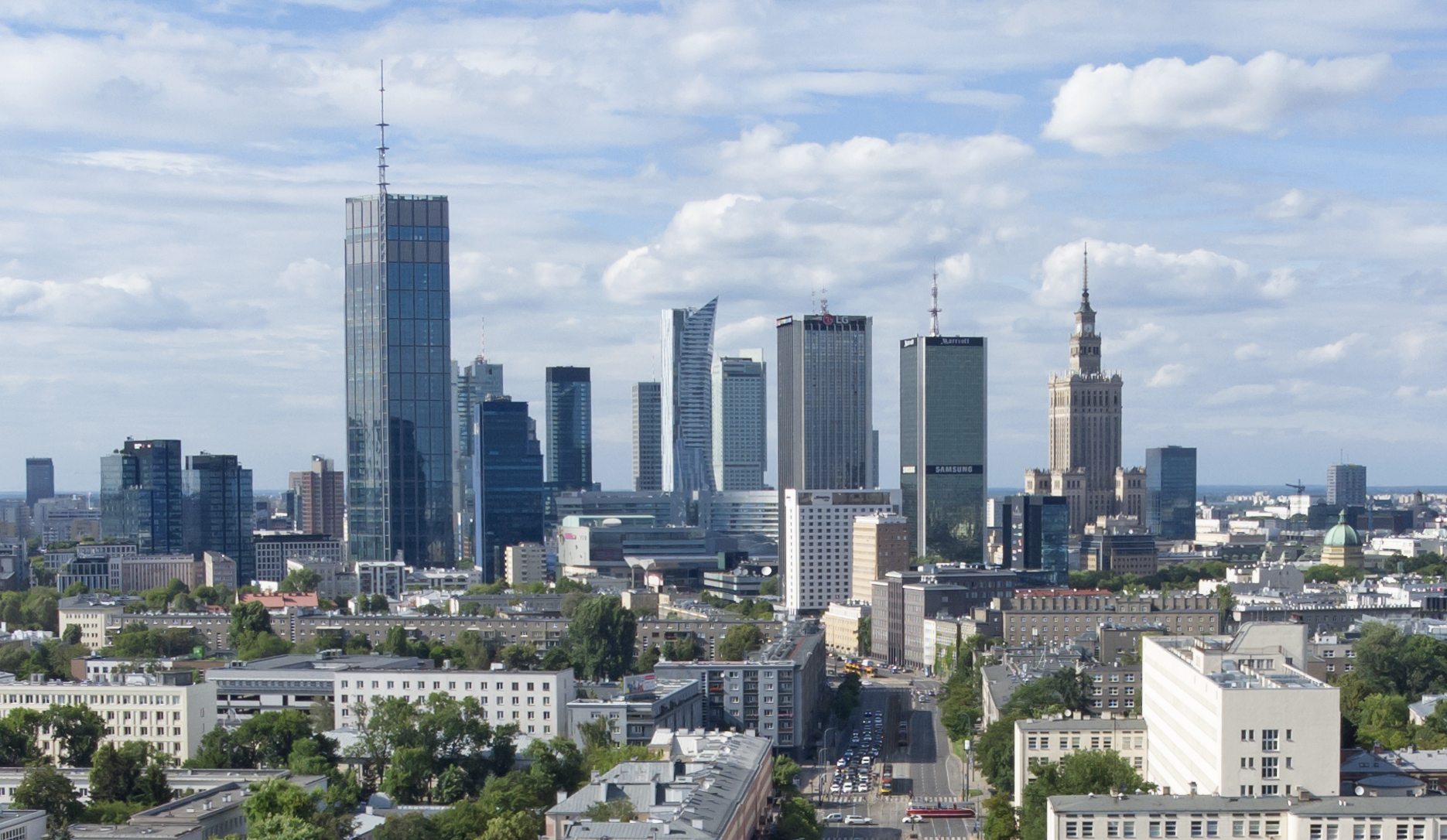
Warsaw
Business capital, reconstructed old town
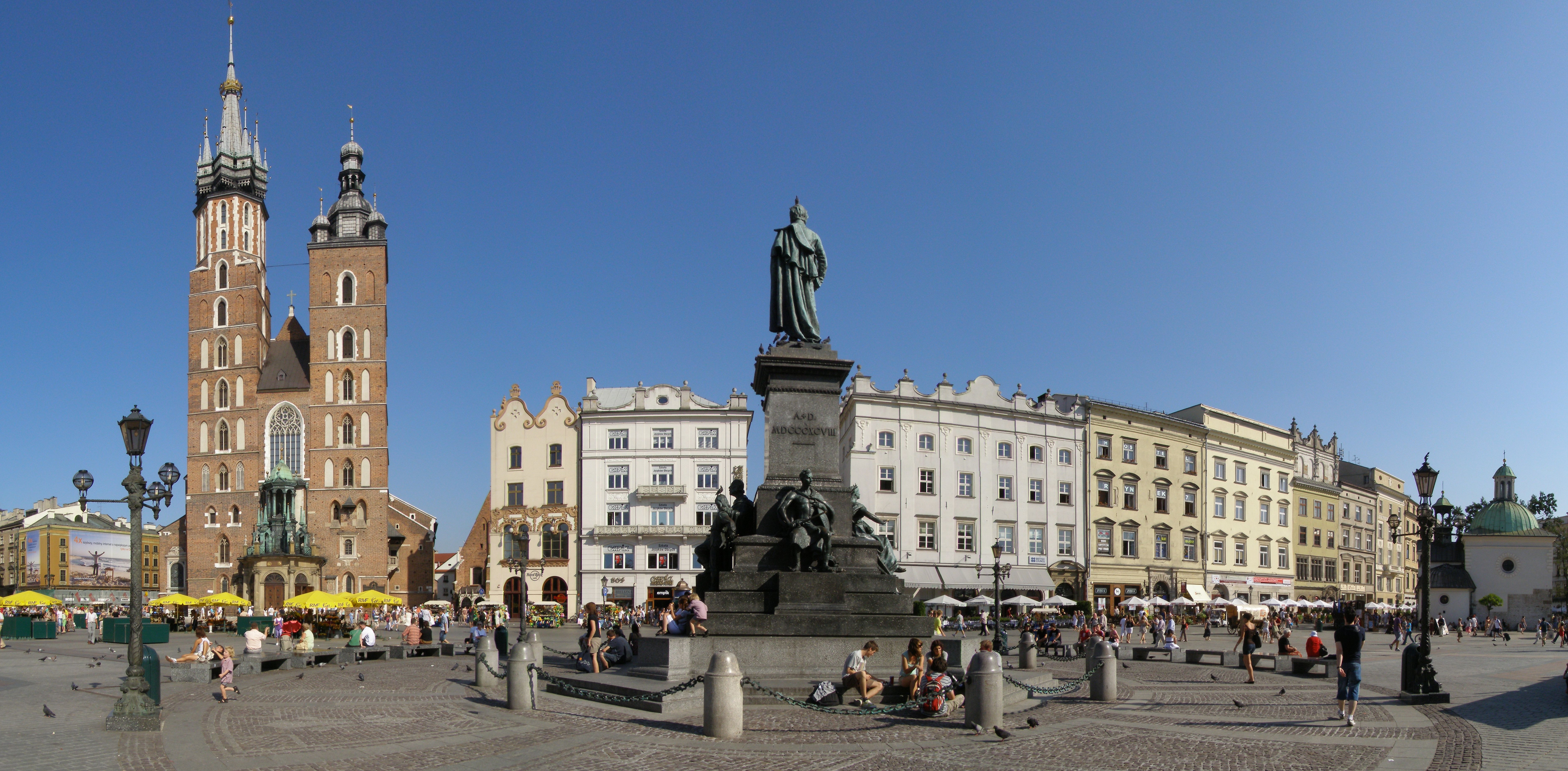
Kraków
Historic core, student energy
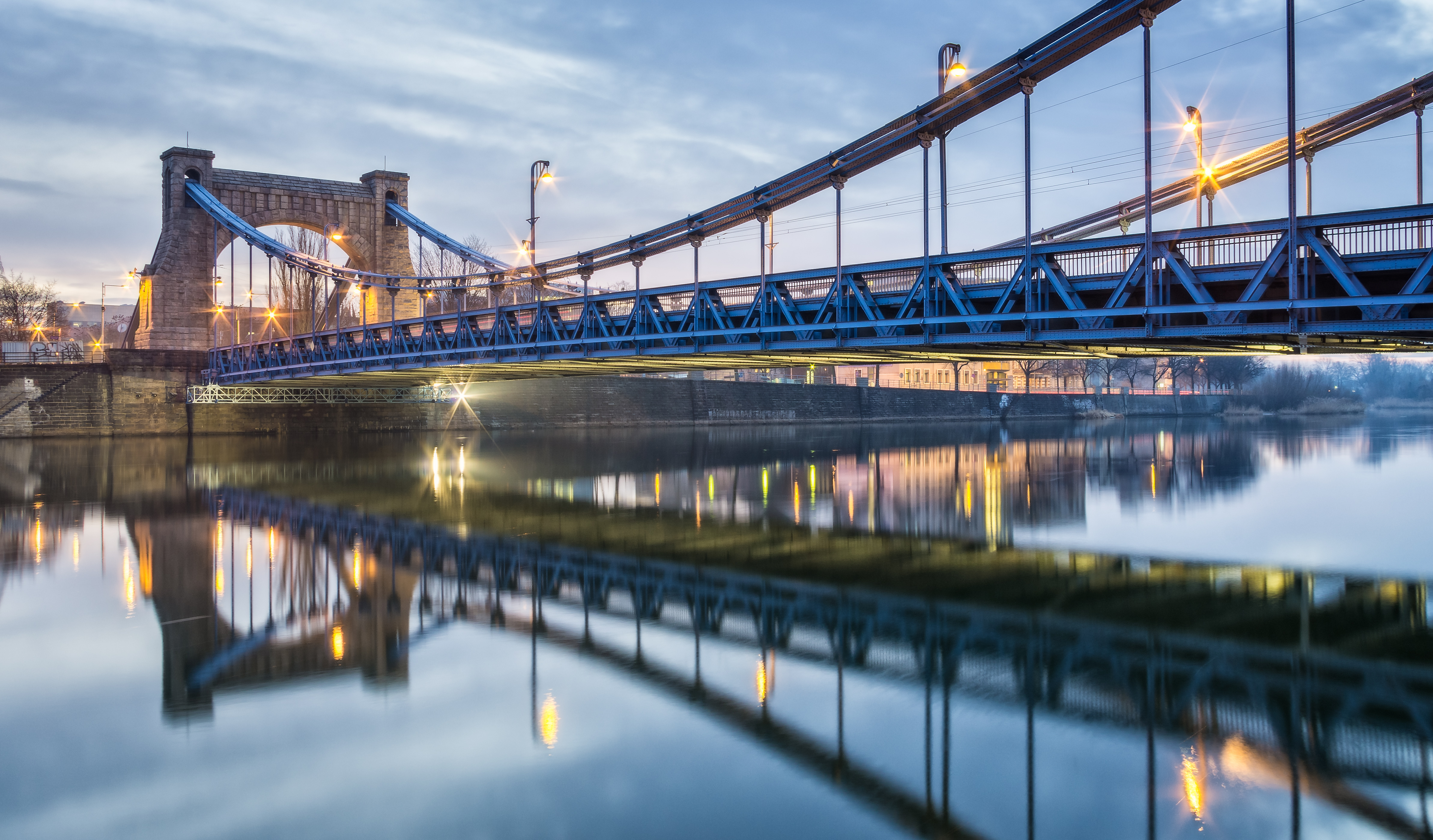
Wrocław
Islands, bridges, shared services hubs
Neighbourhood picks
Warsaw
Śródmieście
Central, business, pricey—$900–$1,500 one-bed.
Kraków
Kazimierz
Jewish quarter, nightlife, tourists—$650–$1,100.
Wrocław
Krzyki
Residential, calmer, families—$550–$950.
Banking & cash
PKO BP, mBank, ING Poland, Millennium, and Santander compete. Multi-currency accounts available—you need PESEL and address for full service.
BLIK mobile payments dominate—set up early.
PLN volatility—Wise for USD/EUR clients.
Cash still in smaller shops; cards universal in cities.
Mortgage possible with stable Polish employment—remote foreign income harder to prove.
Cryptotax rules evolving—declare trading.
Health & safety
NFZ public system after employment registration—quality variable; private care in cities for speed (Lux Med, Medicover).
Emergency: 112 or hospital SOR. GP referrals for specialists—English better in private.
Dental: affordable vs US—private for speed.
Pharmacies everywhere—some drugs OTC cheaper than western EU.
Air pollution winter in south—asthma sufferers monitor AQI.
Culture & lifestyle
Polish hospitality is generous—bring small gifts, remove shoes indoors when expected. Catholic holidays shape calendars—respect Easter/Christmas travel crunch.
Direct communication—small talk less than UK. Queue culture strict for trams.
Learn Polish—English rising in tech but urząd and older landlords need Polish or translator.
Vodka and pierogi stereotypes partly true—explore regional cuisine (Żurek, bigos).
Tipping 10% in restaurants; round taxis.
Weekend trips: Gdańsk coast, Zakopane mountains, Wrocław dwarfs hunt.
The real talk
The advantages
Very affordable vs western EU
World-class internet speeds
Large English-speaking tech workforce
The challenges
Polish language hard
Bureaucracy queues for residence cards
Winter air quality issues in south
Join the conversation
Connect with nomads and locals—search these hubs to get started.
Frequently asked questions
Tax snapshot
Polish tax scale and lump-sum options for small businesses; ZUS social contributions matter — hire an accountant.
Community tips
Expat groups in each city, ski trips to Zakopane, learn Polish for long-term ease.
This destination is perfect for…
Ready to work remotely in Poland?
Browse roles you can do from anywhere.
Browse jobs arrow_forward