
Norway
Last updated: April 2026


Overview
What remote workers notice first about Norway.
Exceptional nature and work-life balance
High salaries offset high prices
Strong English in professional life
Oil fund-backed infrastructure
Visa Spotlight
Skilled worker residence
Thinking about working in Norway or moving there? Our expat guide covers visas, jobs, salaries, cost of living, and everything you need to know before you go.
- check
Income proof
Foreign remote income documentation
- check
Clean record
Police certificate where required
- check
Local address
Lease or accommodation agreement
- check
Insurance
Health coverage per application rules
Duration: Linked to job·Fees: NOK fees
Requirements: Job offer, qualifications, pay above thresholds
Your passport matters
Entry and stay rules depend on citizenship and purpose of visit. Always confirm the latest requirements for your nationality with official government sources before you travel.
Full visa details arrow_forwardApplication process
Non-EU/EEA nationals typically need a full-time job offer from a Norwegian employer that meets salary minimums and qualifications for a skilled worker residence permit (UDI). Employers document the role; you apply online, submit passport, education proofs, and housing plan, then attend biometrics.
EU/EEA citizens register under free movement after three months if working—simpler path.
Study permits require admission and proof of funds—part-time work hours capped.
After entry, obtain national ID number (fødselsnummer / D-number sequence), bank account (often requires ID + employer letter), and register with GP (fastlege).
Renew permits with continued employment; switching jobs may need new assessment if role changes.
Remote work for foreign employers without Norwegian payroll is not generally authorised by standard skilled worker permits—verify with UDI.
Wealth tax and worldwide asset reporting apply to tax residents—consult a Norwegian accountant before becoming resident.
Cost of Living
Oslo lifestyle index
Estimated monthly budget for a high-quality nomadic lifestyle including a modern apartment, co-working, and weekend trips—based on the guide's worked example where available.
Example month in Oslo (single, modest):
Rent (one-bed): $1,750 Utilities + internet: $150 Ruter monthly transport: $90 Groceries (Rema/Kiwi): $480 Eating out: $320 Coworking: $280 Gym + outdoor gear amortised: $120 Phone + software: $50 Miscellaneous: $160
Indicative total: about $3,400.
Bergen and Trondheim often lower rent; NOK/USD rate swings totals.
Top Nomad Hubs
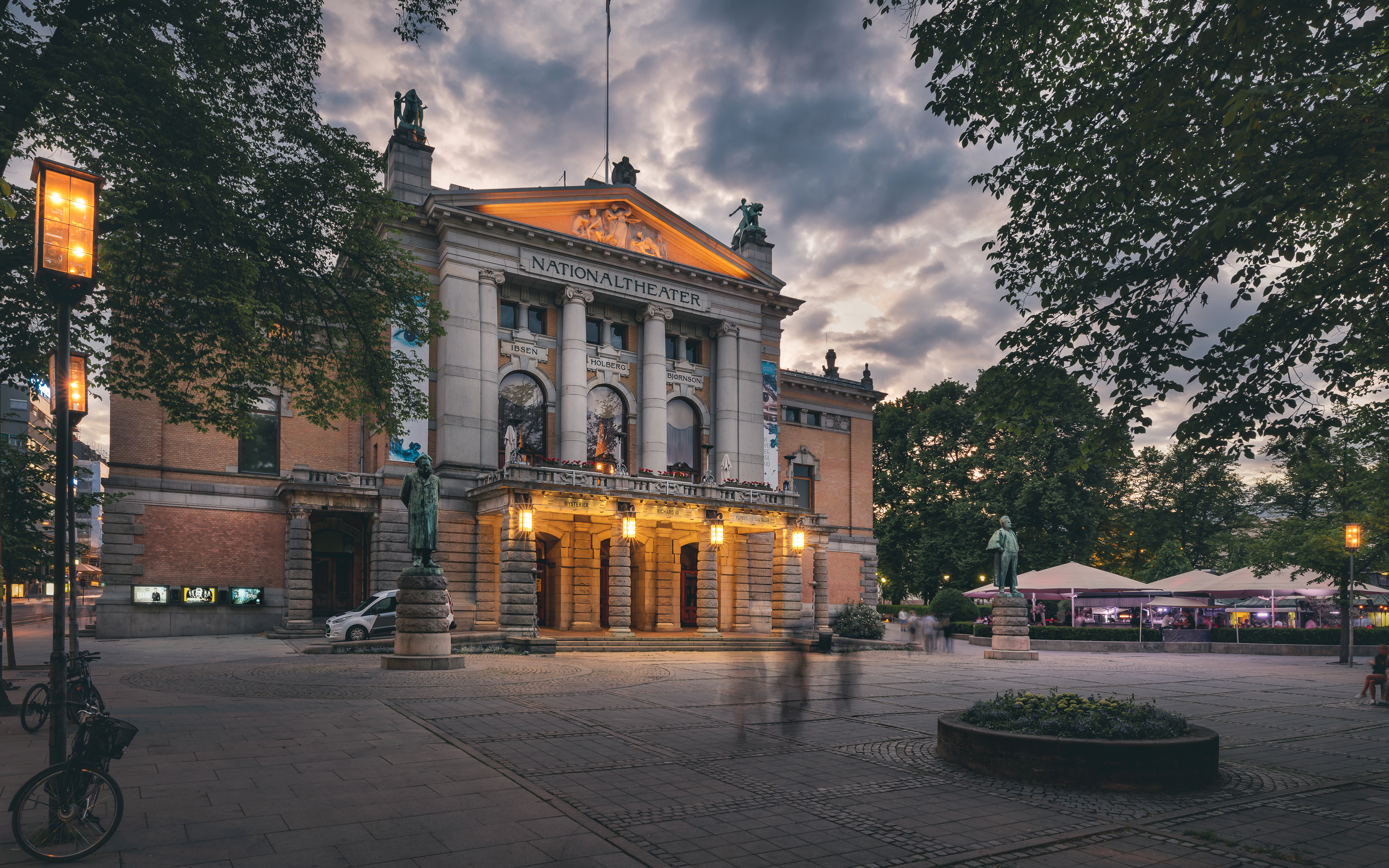
Oslo
Compact capital, fjord access

Bergen
Rainy, scenic, seafood
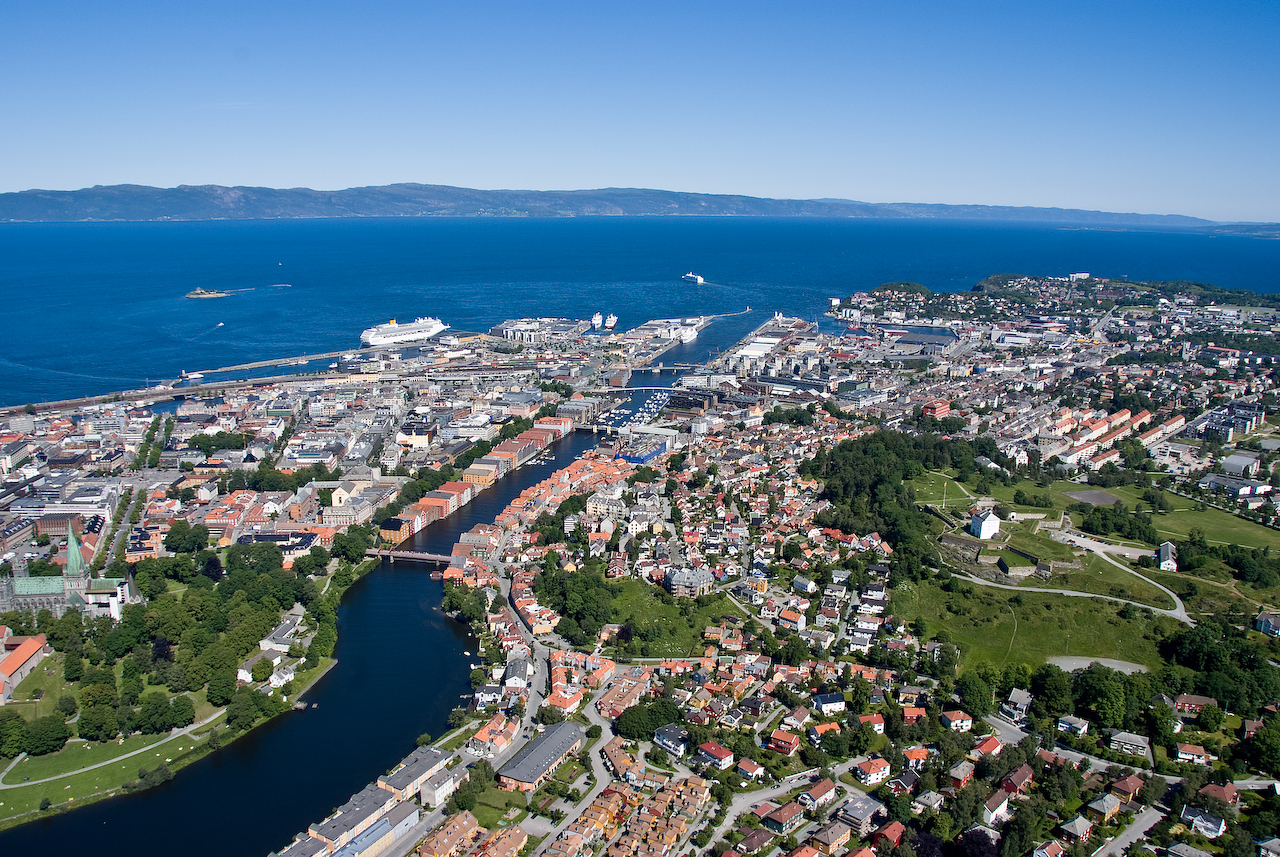
Trondheim
Student tech, central Norway
Neighbourhood picks
Oslo
Grünerløkka
Hip, cafés, young—$1,400–$2,200 one-bed.
Bergen
Sandviken
Hills, views, quieter—$1,200–$1,900.
Trondheim
Solsem
Student-adjacent, fjord—$1,000–$1,600.
Banking & cash
DNB, Nordea, SpareBank 1, and digital banks serve residents. BankID and BankAxept enable mobile payments—essential for Vipps P2P.
You need national ID number and address for accounts—employer letters help.
NOK is not EUR—budget FX volatility. Wise for receiving foreign currency—declare to tax authority if resident.
Cash rare; cards universal. Credit card culture less revolving than US.
Mortgage requires stable Norwegian income—documentation heavy.
Strict AML—source large transfers carefully.
Health & safety
Public healthcare (via fastlege GP system) is funded through membership in Norwegian National Insurance—once employed and registered, access is comprehensive.
Emergency: 113 medical, 112 fire/police. Private hospitals exist for elective speed—optional insurance.
Dental: costly for adults—consider supplemental insurance.
Mental health: improving access—private psychologists faster.
Pharmacies (apotek) efficient; prescription costs moderated.
Outdoor injuries common—know mountain safety; rescue insurance for backcountry.
Culture & lifestyle
Jantelaw (modesty) discourages boasting—let achievements speak quietly. Nature is sacred—weekend cabins (hytte) bind families.
Friday taco (tacofredag) is national tradition. Alcohol expensive—plan Vinmonopolet trips (state monopoly).
English excellent in oil and tech; Norwegian builds trust in smaller towns.
Weather varies—Bergen rain gear mandatory. Skiing culture deep—try cross-country before downhill snobbery.
Tipping 10–15% in restaurants if exceptional; service often included.
The real talk
The advantages
Spectacular nature and outdoor culture
High salaries in tech and energy
Excellent English professionally
The challenges
Very high cost of living
Weather and darkness in winter north
Housing competition in Oslo
Join the conversation
Connect with nomads and locals—search these hubs to get started.
Frequently asked questions
Tax snapshot
High tax but wealth tax rules evolving; report worldwide assets carefully — Norwegian accountant essential.
Community tips
Join hiking clubs for networking, learn Bokmål basics, use Finn.no for housing.
This destination is perfect for…
Ready to work remotely in Norway?
Browse roles you can do from anywhere.
Browse jobs arrow_forward