
Luxembourg
Last updated: April 2026


Overview
What remote workers notice first about Luxembourg.
Top GDP per capita and finance sector
Easy weekend trips to neighbours
Trilingual workplace norms
Safe, compact country
Visa Spotlight
EU free movement / registration
Thinking about working in Luxembourg or moving there? Our expat guide covers visas, jobs, salaries, cost of living, and everything you need to know before you go.
- check
Income proof
Foreign remote income documentation
- check
Clean record
Police certificate where required
- check
Local address
Lease or accommodation agreement
- check
Insurance
Health coverage per application rules
Duration: N/A for EU citizens·Fees: Registration
Requirements: EU passport — address registration
Your passport matters
Entry and stay rules depend on citizenship and purpose of visit. Always confirm the latest requirements for your nationality with official government sources before you travel.
Full visa details arrow_forwardApplication process
EU/EEA citizens register residence at the local commune (déclaration d'arrivée) within required timelines, obtain a national identification number, and start work under free movement—straightforward but paperwork-heavy.
Third-country nationals typically need an employer to file for a work and residence permit before starting—salary thresholds, labour market tests, and qualifications must align with Immigration Directorate (Direction de l'immigration) rules.
After approval, biometric residence cards, social security affiliation (CCSS), and health fund (CNS) registration follow.
Cross-border workers (frontaliers) living in France, Belgium, or Germany work under special tax and social security treaties—payroll often split; get specialist advice before choosing address.
Renew permits before expiry; job changes may require amendments. Rejections involve insufficient salary or failed labour market advertising—employers usually manage process.
Remote-only foreign employers rarely fit standard work permit routes—verify if Luxembourg entity exists.
Cost of Living
Luxembourg City lifestyle index
Estimated monthly budget for a high-quality nomadic lifestyle including a modern apartment, co-working, and weekend trips—based on the guide's worked example where available.
Example month for a single finance sector employee in Luxembourg City:
Rent (one-bed Kirchberg / Limpertsberg): $2,200 Groceries: $480 Transport: $0 (free nationwide) Restaurants: $320 Coworking / office drinks: $200 Health mutuelle + extras: $85 Phone + software: $50 Gym: $70 Weekend travel / misc: $200
Indicative total: about $3,605.
Living in Arlon or Trier cuts rent but adds commute—model net tax with adviser.
Top Nomad Hubs
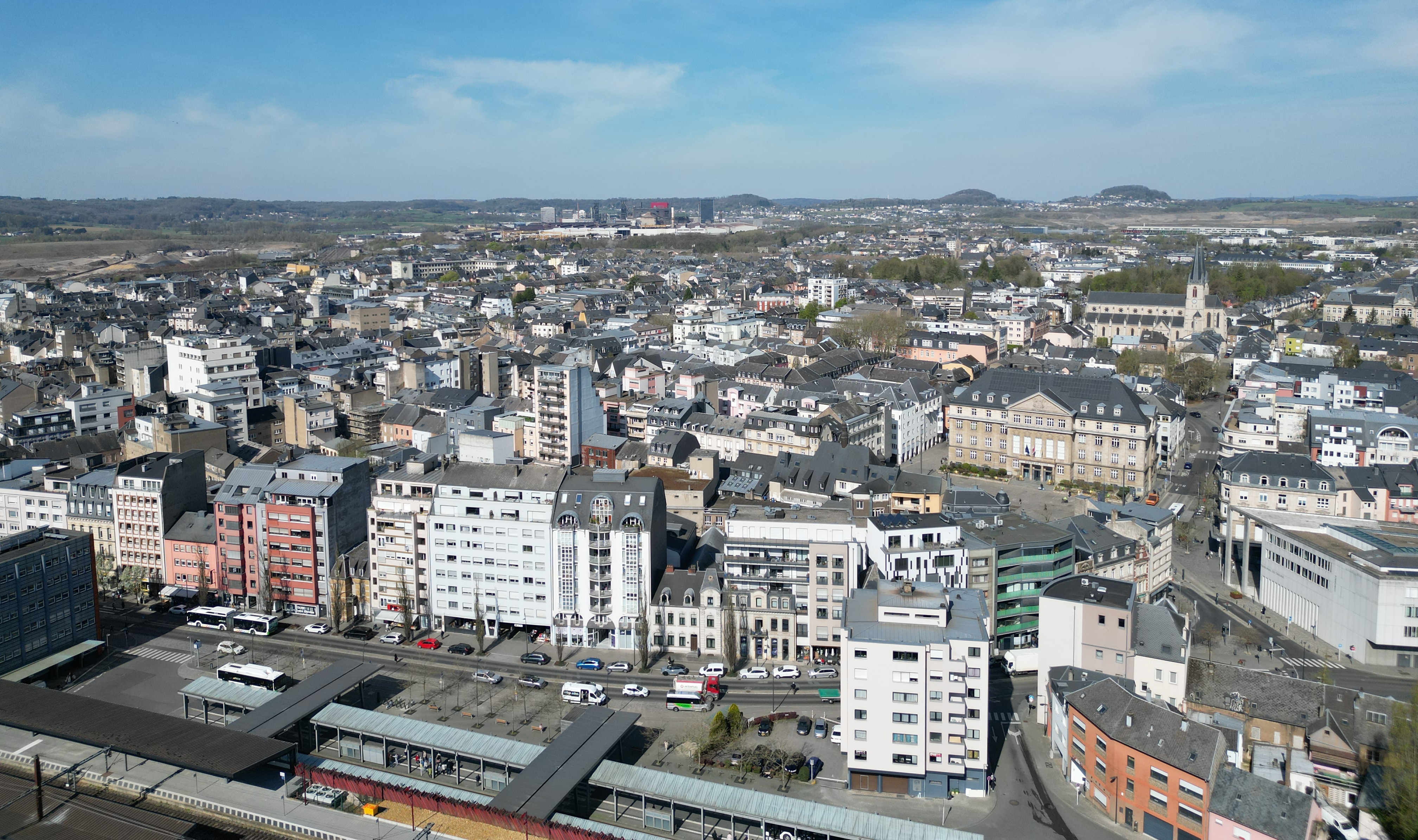
Luxembourg City
Cliffs, funds, small walkable core
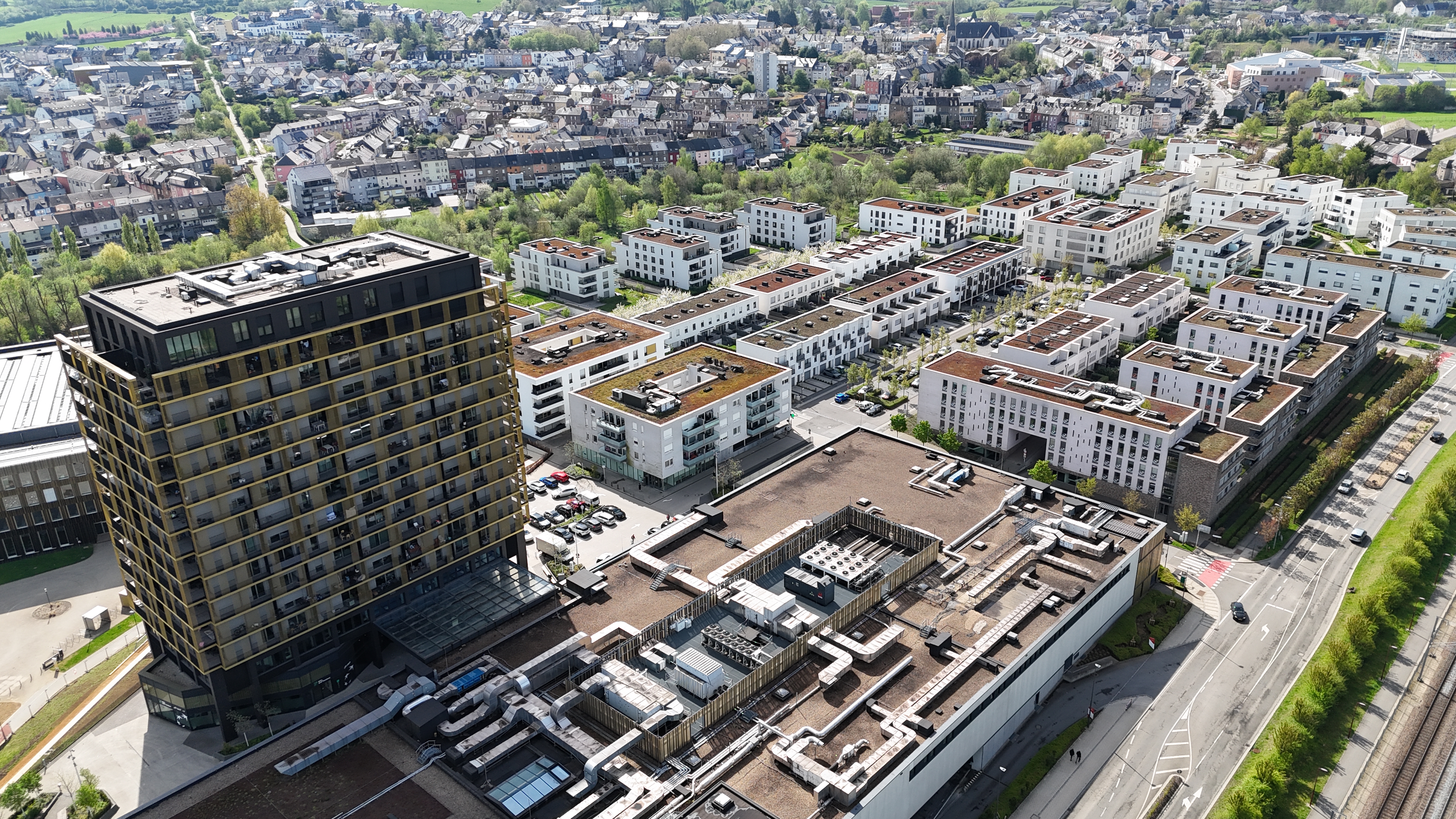
Esch-sur-Alzette
Second city, cheaper edge
Neighbourhood picks
Luxembourg City
Limpertsberg
Leafy, families, EU schools—premium; $1,900–$2,800 one-bed.
Luxembourg City
Gasperich
New builds, Cloche d'Or, expats—$1,800–$2,600.
Esch-sur-Alzette
Belval
University, redevelopment, slightly better value—$1,200–$1,900.
Banking & cash
BCEE (Spuerkeess), BGL BNP Paribas, ING Luxembourg, and international private banks serve the fund industry. You need residence proof, employment contract, and ID—private banking thresholds higher.
SEPA EUR; cross-border commuters may keep French or German accounts—salary often requires Luxembourg IBAN.
Wealth management is national sport—disclose worldwide assets to tax advisers under CRS rules.
Wise for FX—still declare. Cash less common; cards everywhere.
Mortgages competitive if income stable—rates change—broker advice useful.
Health & safety
CNS (Caisse Nationale de Santé) covers most care once affiliated—GP (médecin traitant) referrals optimise reimbursement. Co-pays exist—mutuelle top-ups common among locals.
Emergency: 112. Hospitals Centre and Kirchberg offer strong care—English in medical staff common.
Dental partial reimbursement—orthodontics check policy.
Pharmacies professional; prescriptions from neighbouring countries often accepted if EU standard.
Cross-border workers may use systems in home country—coordinate cards.
Mental health access improving—private waits shorter.
Culture & lifestyle
Trilingualism is real—Luxembourgish for identity, French often in cafés, German in media, English in finance. Switching languages mid-conversation is normal—don't be shy.
Work culture formal-informal mix—suits in finance, smart casual in tech. Lunch can be long—meetings still punctual.
Housing pressure creates tension—be polite with agencies. Weekends many drive to Moselle wine or Ardennes hiking.
Tipping: round bills modestly; service often included.
Join wine fairs, Schueberfouer funfair, and hiking clubs—integration beats complaining about rent alone.
The real talk
The advantages
Very high salaries in finance and EU roles
Safe, multilingual, international schools
Free public transport nationwide
The challenges
Housing shortage and extreme rents in city
Third-country permits employer-dependent
Tax complexity for cross-border setups
Join the conversation
Connect with nomads and locals—search these hubs to get started.
Frequently asked questions
Tax snapshot
Progressive tax classes; cross-border workers have special schemes — see ACDF / tax offices with adviser.
Community tips
Join internations.org events, live in Arlon/Trier to save rent, expect competitive housing market.
This destination is perfect for…
Ready to work remotely in Luxembourg?
Browse roles you can do from anywhere.
Browse jobs arrow_forward