
Ecuador
Last updated: April 2026


Overview
What remote workers notice first about Ecuador.
Uses the US dollar — no currency conversion headaches for Americans
Quito: high-altitude capital — historic centro UNESCO, valley suburbs
Cuenca: colonial architecture, expat retiree scene, mild weather
Guayaquil: coastal business hub — heat, humidity, port economy
Visa Spotlight
Tourist stamp
Ecuador for remote workers: Quito, Cuenca, Guayaquil, rentista-style visas, dollar economy tips, and life straddling the Andes and coast.
- check
Income proof
Foreign remote income documentation
- check
Clean record
Police certificate where required
- check
Local address
Lease or accommodation agreement
- check
Insurance
Health coverage per application rules
Duration: 90 days typically; extensions possible — verify for nationality·Fees: Usually low or free
Requirements: Passport validity, onward ticket sometimes
Your passport matters
Entry and stay rules depend on citizenship and purpose of visit. Always confirm the latest requirements for your nationality with official government sources before you travel.
Full visa details arrow_forwardApplication process
Ecuador's visa system is administered through consulates abroad and the Coordinación Zonal offices domestically — digital appointments fluctuate — monitor official sites.
Temporary residence categories include rentista (passive or remote income proof), inversionista, and work contracts — each lists income multiples of basic salaries — verify current SBU (salario básico) math.
Documents often need apostille and Spanish translation — FBI checks common for US citizens. Health insurance must meet minimums — local policies sold to migrants.
After approval, obtain cédula — required for contracts, bank accounts beyond basic, and some utilities. Register with municipal authorities as directed.
Overstay fines exist — regularise or pay on exit. Border hopping was common historically — immigration scrutiny has tightened — prefer legal status.
Galápagos requires INGALA transit control card and return flights — plan separately from mainland residence.
Cost of Living
Quito lifestyle index
Estimated monthly budget for a high-quality nomadic lifestyle including a modern apartment, co-working, and weekend trips—based on the guide's worked example where available.
Example month — Cuenca, solo:
Rent (furnished one-bed): $550 HOA + utilities + fibre: $90 Transport (bus + occasional taxi): $35 Groceries: $240 Eating out: $150 Coworking: $85 Spanish tutor: $80 Private health visits + insurance: $110 Weekend trips (Baños, Cajas): $140 Misc: $70
Indicative total: ~$1,550. Quito similar rent band with more flight options; Guayaquil adds AC electricity costs.
Top Nomad Hubs
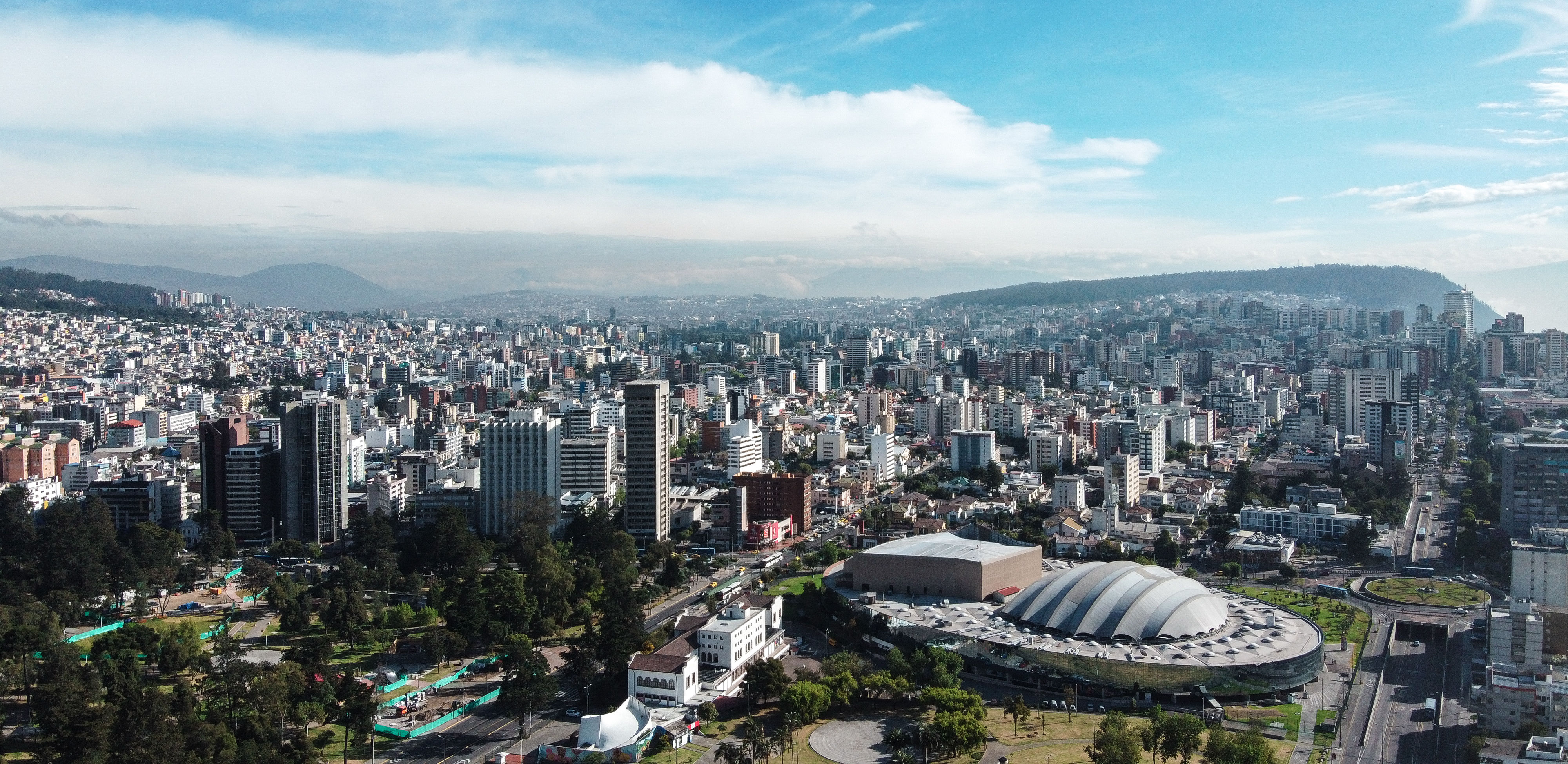
Quito
Mountain capital — Mariscal vs valley suburbs; altitude 2,850m — acclimatise
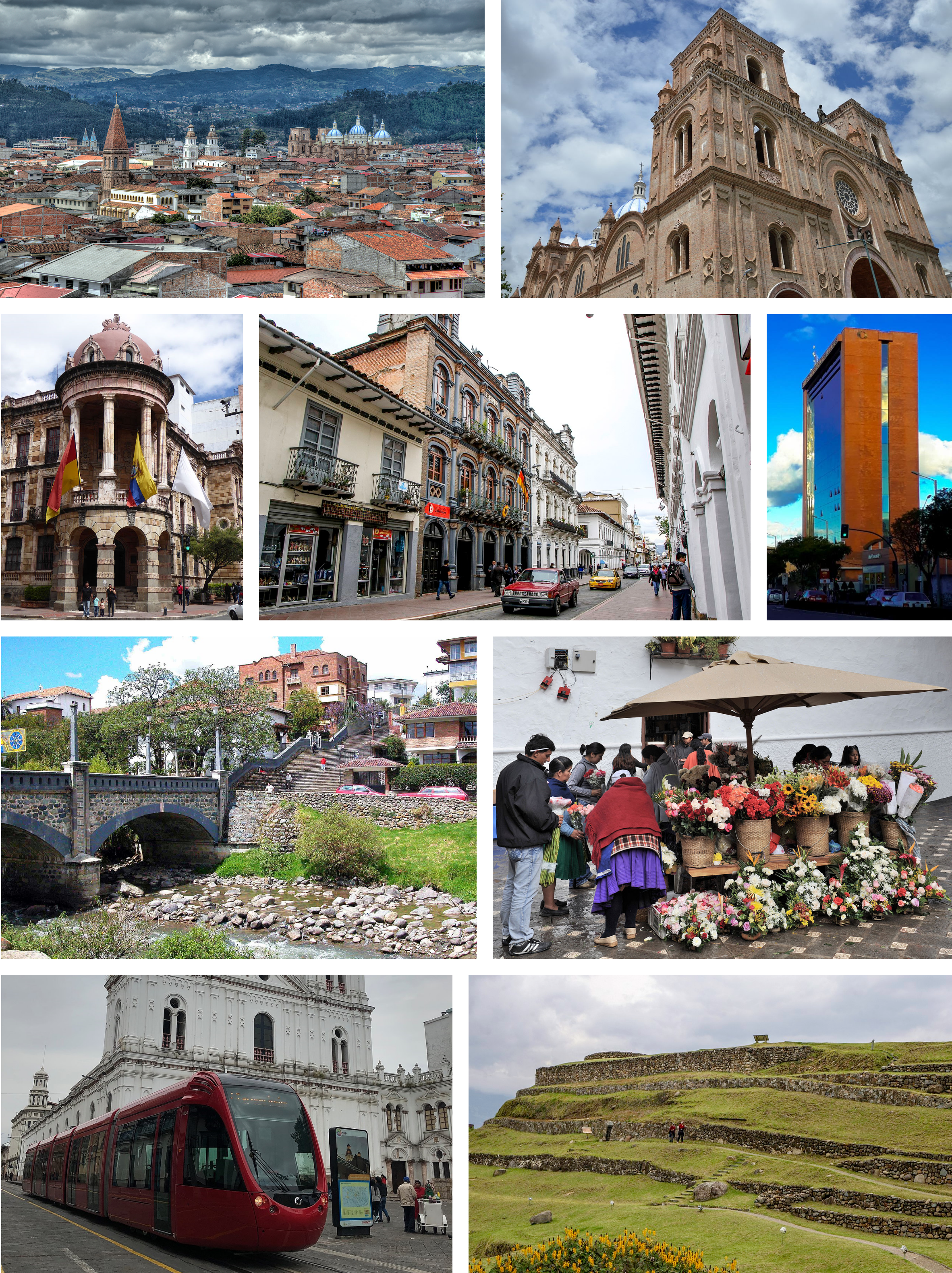
Cuenca
Walkable colonial core — rivers, arts, slower pace — popular with North Americans
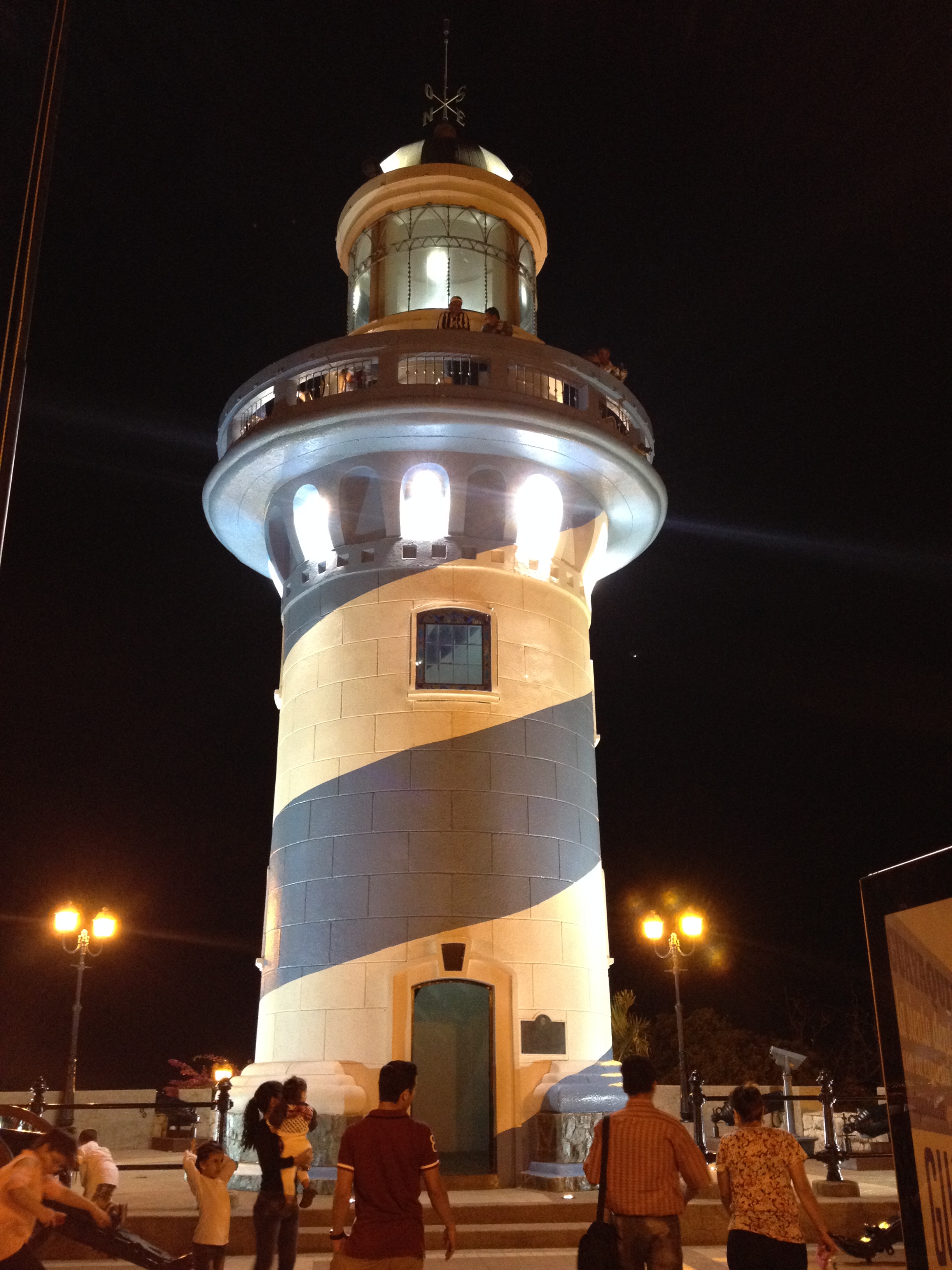
Guayaquil
Tropical business city — Malecón riverfront; gateway to coast
Neighbourhood picks
Quito
La Floresta
Arts, cafes, safer evening strolls than centro — popular with younger expats; verify taxi home late.
Cuenca
El Centro histórico
Walkable UNESCO streets — noise echoes; check wifi in thick walls — lower rents on river edges.
Guayaquil
Urdesa
Dining, tree-lined — family-oriented; compare security vs Puerto Santa Ana high-rises.
Banking & cash
Dollar economy — withdraw USD from ATMs; fees vary by bank. Banco Pichincha, Produbanco, and others open accounts with cédula — tourist banking is tight.
Carry small bills — $20 and below work better in taxis and markets — $50/$100 can be refused or scrutinised.
Mobile payments growing — ask for local app preferences. Wire transfers from the US are straightforward in dollars — watch receiving bank fees.
Safe deposit strategy — petty theft in crowded markets — use neck pouches minimally visible. Card skimming rare but possible — prefer chip inside banks.
Health & safety
Major cities have private hospitals (Hospital Metropolitano Quito, etc.) — quality varies by specialty. Cuenca has strong expat-serviced clinics.
Public IESS exists — affiliation ties to employment or voluntary buy-in for residents — queues exist.
Altitude sickness in Quito — hydrate, ascend to hikes gradually. Coast: dengue risk — repellent. Amazon: yellow fever and malaria prophylaxis per travel clinic.
Emergency: 911 unified in many zones — verify. Mental health: psychologists available — Spanish-first.
Earthquakes — know exit routes; many buildings retrofitted post-2016 lessons.
Culture & lifestyle
Indigenous dress in markets — ask before photos. Bargaining gentle in artisan fairs — fixed in supermarkets.
Lunch is heavy; dinner lighter. Pan de yuca and hornado street food — judge hygiene busy stalls.
Punctuality flexes for social events; government offices demand early arrival and every photocopy.
Volcano etiquette — respect páramo ecosystems — pack out trash. Football unites — avoid mocking local teams lightly.
The real talk
The advantages
No currency conversion for USD earners
Affordable housing outside prime Quito
Diverse geography — Andes, Amazon, coast
The challenges
Altitude adjustment in Quito
Bureaucracy and appointment queues
Earthquake risk — check building age
Join the conversation
Connect with nomads and locals—search these hubs to get started.
Frequently asked questions
Tax snapshot
Ecuador taxes residents on foreign-source income in some categories — rules shifted historically toward worldwide inclusion for residents. Establishing tax residency vs tourist presence requires professional advice. The dollar economy simplifies cash flow but not tax law — consult an Ecuadorian CPA if you exceed casual stays.
Community tips
GringoTree and Facebook groups in Cuenca; hiking clubs in Quito for acclimatisation. Volcano and crater lakes weekends. Learn Spanish — indigenous markets reward courtesy. Cotopaxi and Baños trips are weekend norms.
This destination is perfect for…
Ready to work remotely in Ecuador?
Browse roles you can do from anywhere.
Browse jobs arrow_forward