
Belgium
Last updated: April 2026


Overview
What remote workers notice first about Belgium.
EU and NATO institutions in Brussels
Excellent trains to London, Paris, Amsterdam
Chocolate, beer, and comic culture
Strong labour protections
Visa Spotlight
Single permit (combined work + residence)
Thinking about working in Belgium or moving there? Our expat guide covers visas, jobs, salaries, cost of living, and everything you need to know before you go.
- check
Income proof
Foreign remote income documentation
- check
Clean record
Police certificate where required
- check
Local address
Lease or accommodation agreement
- check
Insurance
Health coverage per application rules
Duration: Up to 3 years·Fees: €350+
Requirements: Employer files for shortage or salary criteria
Your passport matters
Entry and stay rules depend on citizenship and purpose of visit. Always confirm the latest requirements for your nationality with official government sources before you travel.
Full visa details arrow_forwardApplication process
Non-EU workers typically need a Belgian employer to sponsor a single permit (gewone arbeidsvergunning / permis unique) combining work authorisation and residence. The employer proves labour market tests or shortage occupation where required, files regionally (Flanders, Brussels, Wallonia rules differ), and you apply for a D visa at the Belgian consulate before entering to collect your residence card.
EU Blue Card route suits highly qualified employment above salary thresholds with recognised degrees—faster mobility after holding it elsewhere in the EU in some cases.
After arrival, register at your commune, obtain a national number, choose mutuelle, and open a bank account—appointments can take weeks in Brussels.
Remote work for a non-Belgian employer without local sponsorship is not automatically covered—do not confuse EU free movement (for EU citizens) with third-country rules.
Renewals tie to continued employment and compliance. Rejections often involve salary floors, wrong regional filing, or incomplete medical insurance—use an employer's immigration counsel where possible.
Cost of Living
Brussels lifestyle index
Estimated monthly budget for a high-quality nomadic lifestyle including a modern apartment, co-working, and weekend trips—based on the guide's worked example where available.
Example month for a single employed remote worker living in Brussels (Ixelles / Etterbeek style):
Rent (one-bed): $1,450 Utilities + internet: $155 Transport (STIB monthly): $55 Groceries: $360 Eating out / beer twice weekly: $260 Coworking: $195 Mutuelle + medical reserve: $95 Phone + software: $45 Gym: $55 Miscellaneous: $130
Indicative total: about $2,760.
Antwerp and Ghent often shave 10–20% off Brussels rent; cross-border living in Flanders edge can reduce housing if you accept commute.
Top Nomad Hubs
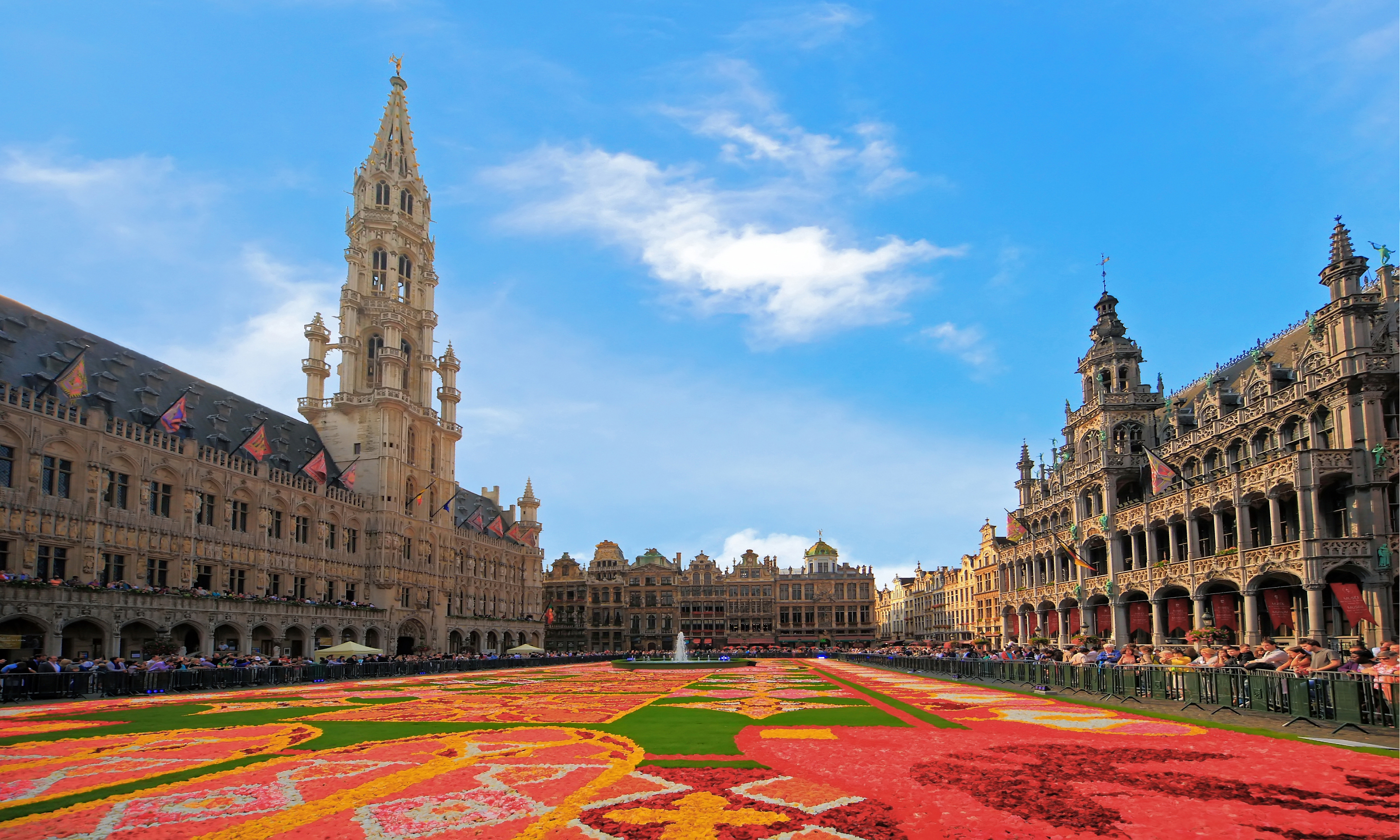
Brussels
Institutional, diverse, bilingual tension fun
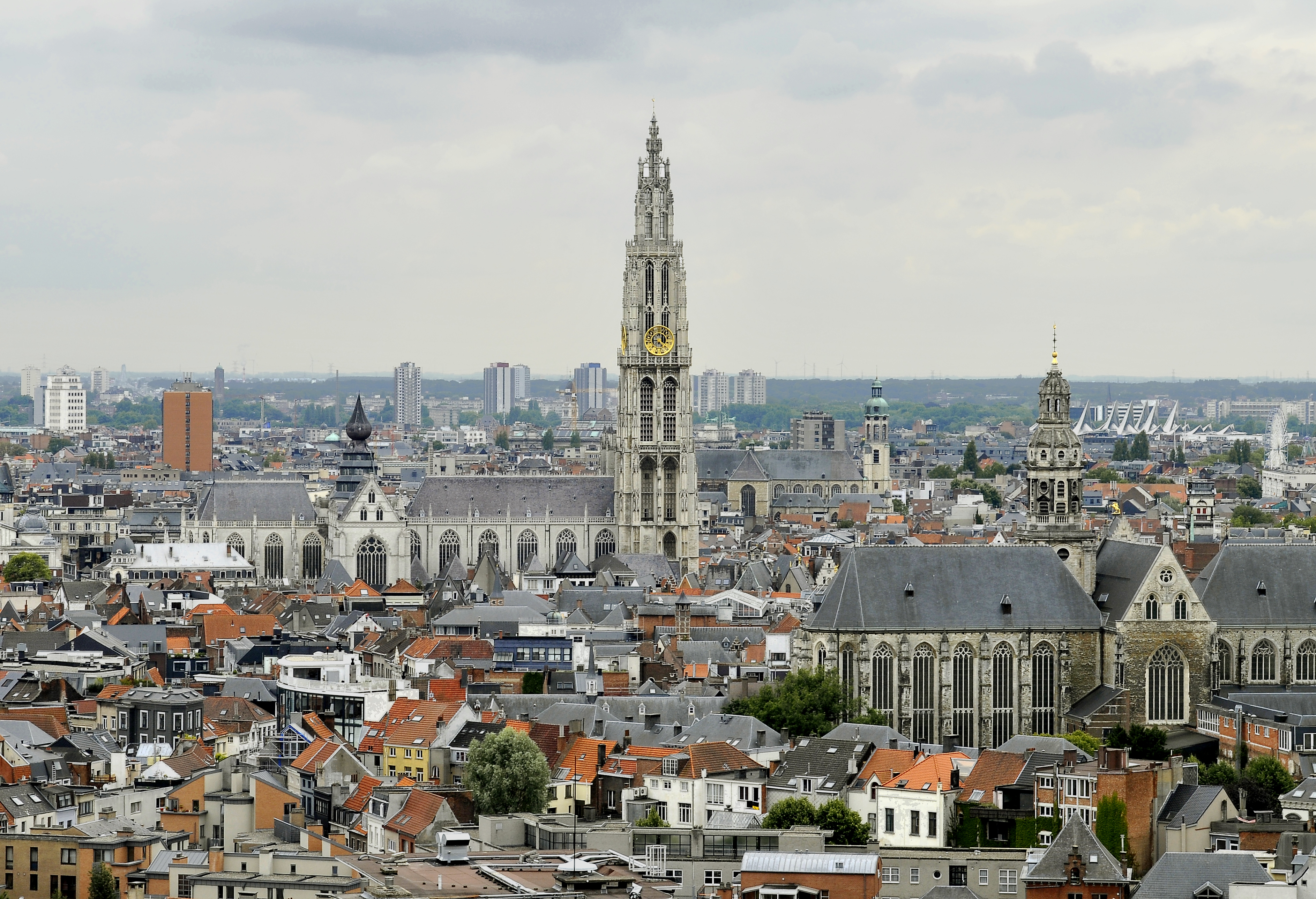
Antwerp
Fashion, port, Flemish buzz
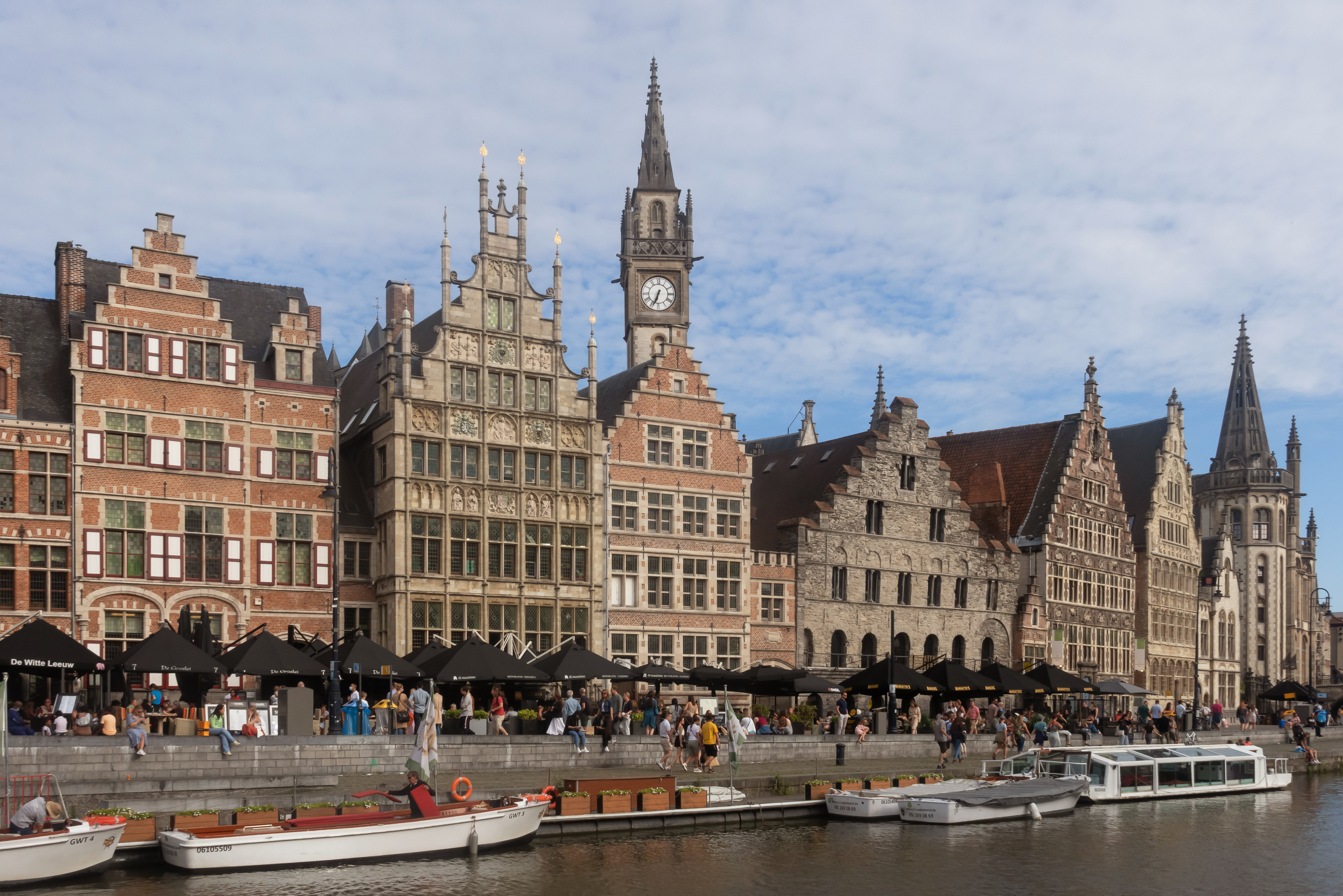
Neighbourhood picks
Brussels
Ixelles
Matongé African quarter, cafés, EU-adjacent—popular; one-beds $1,200–$1,900.
Brussels
Saint-Gilles
Art nouveau, bars, younger crowd—gentrifying; $1,000–$1,600.
Antwerp
Zuid
South district, creative, near museum quarter—$1,000–$1,500.
Banking & cash
ING Belgium, BNP Paribas Fortis, KBC, and Hello bank! serve residents. You need ID, address proof, and often your employment contract—non-EU residence cards must be current.
Bancontact dominates retail payments; credit cards less ubiquitous than US—debit rules.
Wise works for receiving foreign income; Belgian IBAN needed for salary and many landlords.
Cross-border workers living in France or Netherlands while working in Belgium need specialist payroll advice—bank residency may follow tax residency.
ATM: use your bank's network; avoid third-party fees at stations late at night.
Health & safety
Belgium's mandatory health insurance (mutuelle / ziekenfonds) pairs with state reimbursement—employees register via employer; self-employed via social insurance fund.
Care quality is excellent; waiting times for non-urgent specialists vary—mutuelle top-ups speed access. Emergency: 112 or local GP out-of-hours.
Mental health coverage improves but therapists may be private-pay—check mutuelle.
Pharmacies are split French/Dutch by region—bring prescriptions from EU doctors when possible.
Dental and optical often need supplemental insurance—budget extra if you need orthodontics.
Culture & lifestyle
Belgium is linguistically divided—French in Wallonia, Dutch in Flanders, German border community small—Brussels is officially bilingual but English works in EU circles. Avoid Flanders vs Wallonia clichés; appreciate local festivals (carnaval, Gentse feesten).
Work culture balances Northern European structure with long lunches in some sectors. Beer culture is serious—learn your Trappists.
Bureaucracy is multilingual paperwork—scan everything. Housing in Brussels is competitive—start search early, watch rental scams.
Tipping: round up taxis; service included in many restaurants. Direct feedback is diplomatic—consensus matters in teams.
The real talk
The advantages
Heart of EU institutions and NATO
Fast trains to London, Paris, Amsterdam, Cologne
Excellent healthcare and education options
The challenges
High tax and social contributions
Brussels housing shortage and competition
Complex regional rules (three regions)
Join the conversation
Connect with nomads and locals—search these hubs to get started.
Frequently asked questions
Tax snapshot
High social contributions; married couples taxed jointly — complex but accountant-navigable.
Community tips
Learn French or Dutch depending on region, join beer club networking, expect admin paperwork.
This destination is perfect for…
Ready to work remotely in Belgium?
Browse roles you can do from anywhere.
Browse jobs arrow_forward